In-home dementia care means help comes to your loved one’s home, so they can stay among familiar people, routines and rooms. In Florida it ranges from a few hours a week of companionship to daily support, and it can work alongside home health, hospice or a nurse. Most families pay privately, at a 2025 state median of about $32 an hour.
This guide is the starting point for Florida families. It explains the types of help available, what care looks like at each stage, how Florida regulates providers, what it costs and who pays, how to start, and the free state resources you should know about. Each section links to a more detailed guide.
Table of contents
What in-home dementia care includes
The Alzheimer’s Association groups in-home services into four types. Most families use more than one over time.
| Type | What it covers | Who provides it in Florida |
|---|---|---|
| Companion care | Company, supervision, activities, outings | AHCA-registered companion providers and agencies |
| Homemaker services | Meals, light housekeeping, shopping, errands | AHCA-registered homemaker providers and agencies |
| Personal care | Help with bathing, dressing, toileting, eating | Licensed home health agencies and nurse registries |
| Skilled care | Nursing, wound care, injections, therapy | Licensed nurses and therapists, often through a home health agency |
Dementia Companions provides companionship, respite, memory and engagement activities, meal preparation, light housekeeping, errands, appointment escort and medication reminders. We do not provide hands-on personal care such as bathing, dressing and toileting; for that, families add a licensed home health agency or aide, and our companion can work alongside them. Our caregivers are not nurses and do not give medications or provide skilled care. Many families combine our care with a nurse or hospice; our companion care vs. home health care comparison explains how they fit together.
Why many Florida families choose care at home
Familiar surroundings provide cues and comfort that can ease confusion and anxiety for many people with dementia. Home care also keeps spouses and adult children closely involved, and it can start small and grow as needs change.
Florida adds its own reasons. Many older Floridians have built their lives around a neighborhood, a congregation, a club or the water. Staying home lets them keep those connections longer. It also matters for people whose first language is Spanish, Haitian Creole or another language, since a caregiver who shares it can make help feel familiar.
Home care has limits, too. A companion is present only during booked hours, so someone has to cover nights and the gaps in between. If your loved one cannot be left alone at all, or wakes and wanders at night, the family needs a plan for those hours, whether that is a relative, more paid help, or eventually a move to memory care.
In-home dementia care at each stage
Needs change as dementia progresses, and so does the right kind of help. The Alzheimer’s Association describes the middle stage as typically the longest, and the late stage as requiring around-the-clock care.
Early stage
Your loved one may still drive, cook and socialize, with some memory lapses. Helpful support: a few hours a week of companionship, help keeping appointments and routines, and planning ahead for legal and financial decisions while they can take part.
Middle stage
Confusion, restlessness, sleep changes and wandering become more common. Helpful support: more frequent visits timed for the hardest part of the day, meal preparation, medication reminders, outings, and regular respite for the family caregiver.
Late stage
Your loved one needs help with almost everything and may lose the ability to speak or walk. Helpful support: long visits or shifts alongside family, often combined with hospice, with a focus on comfort, music and gentle touch.
How Florida regulates in-home care
Florida requires companion and homemaker providers to register with the Agency for Health Care Administration (AHCA) and to include their registration number in advertising. Home health agencies, which provide personal and skilled care, are licensed. Staff of these providers must pass Level 2 background screening.
Florida’s dementia training law, section 430.5025, also applies. Staff receive basic dementia information when hired; those with regular client contact complete a one-hour state training within 30 days; and in-home personal care staff complete two more hours within seven months. If you hire a caregiver directly, these checks are up to you.
What it costs and who pays
According to CareScout’s 2025 survey, released in March 2026, Florida’s median cost for a non-medical in-home caregiver was $73,216 a year at 44 hours a week, or about $32 an hour, below the national median of about $35. Dementia Companions charges $35 an hour for 40+ hours a week; call us about shorter schedules.
Medicare does not pay for ongoing companion or custodial care, though it covers short-term skilled home health for people who are homebound, according to Medicare.gov. Florida’s Medicaid Long-Term Care program can cover companion, homemaker and respite services for people who qualify, often after a waitlist. Long-term care insurance and VA benefits may also help. See our Florida dementia care cost guide and paying for dementia care overview.
How to get started
- Get a medical picture. Ask your loved one’s doctor about the diagnosis, stage and any safety concerns. Sudden changes in confusion need prompt medical attention, since infections and medication side effects can cause them.
- List the needs. Write down the hardest times of day, tasks that are slipping and the hours the family can cover.
- Choose the type of help. Companion, personal care, skilled care, or a combination.
- Interview providers. Ask about training, consistency, screening, pricing and backup. Our guide on how to choose a dementia caregiver has the questions.
- Start small and review. Begin with a few visits a week, read the visit notes, and adjust after the first month.
Not sure it is time yet? Our post on the signs your loved one needs in-home dementia care can help you decide.
Free Florida resources to know
- Elder Helpline, 1-800-963-5337: connects you with your local Aging and Disability Resource Center, the front door for state-funded services and Medicaid long-term care screening.
- Alzheimer’s Disease Initiative: the Department of Elder Affairs program funds respite, caregiver training and support groups, and supports 17 Memory Disorder Clinics across 13 service areas for diagnosis and referrals.
- Alzheimer’s Association Helpline, 1-800-272-3900: free advice any hour, with interpreters for many languages.
Our Florida dementia resources page lists each region’s agency and clinic.
Example: a typical week of in-home care in Naples
This is an illustrative example, not a real client. A retired couple in Naples are both 82. The husband has middle-stage Alzheimer’s and becomes restless in the late afternoon. His wife manages well in the mornings but is exhausted by evening.
- Monday, Wednesday, Friday, 2pm to 6pm: a companion takes him for a walk before the heat of the day ends, plays big band records, prepares an early dinner and keeps him company through the restless hours.
- Tuesday: his wife takes him to a neurologist appointment; the companion escorts on alternate months.
- Weekend: their son visits from Fort Myers.
That is 12 hours a week. Our rate is $35/hour for 40+ hours a week; call us about shorter schedules. His wife now has three protected afternoons, and evenings are calmer.
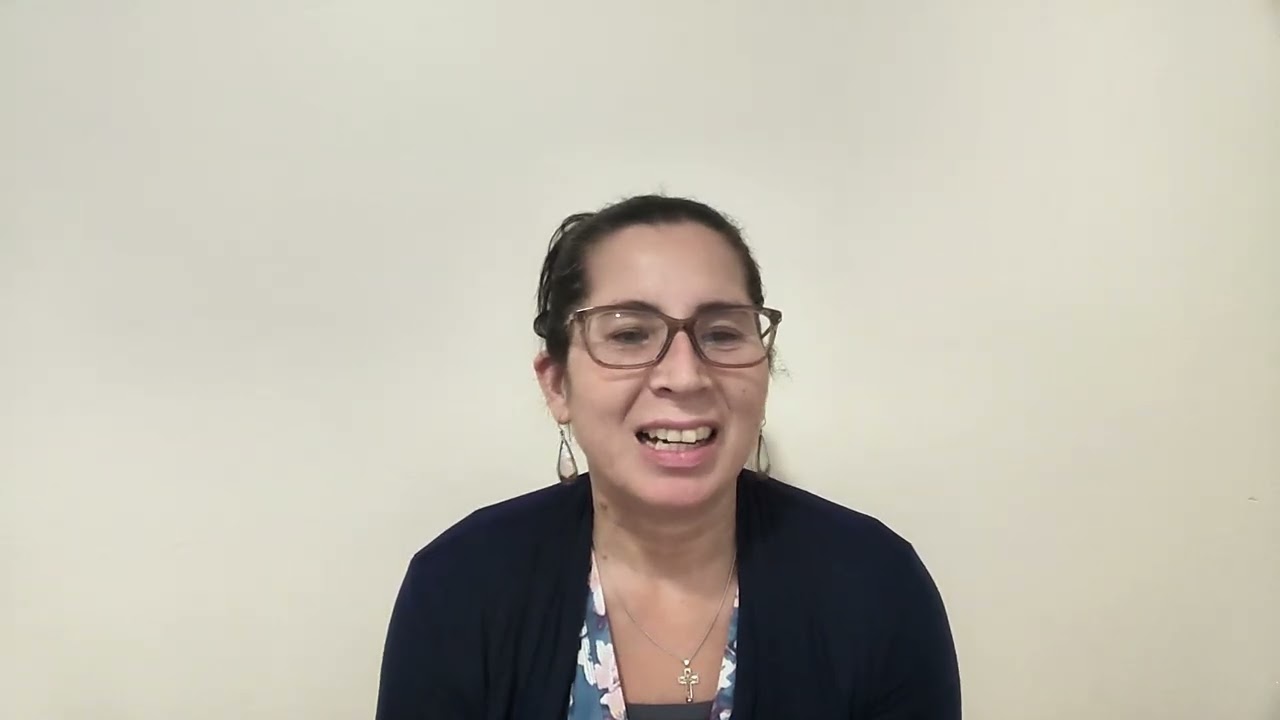
Watch a caregiver before you choose
Families watch video interviews like these and choose their companion. No one is sent to your parent's home until you have watched them and said yes.


Frequently asked questions
Is in-home dementia care available around the clock?
Some providers offer overnight or 24-hour shifts, though costs are high. Dementia Companions offers visits from about two hours up to a full day. For round-the-clock needs, families often combine family, paid help and hospice, or consider memory care.
Does my loved one need a caregiver experienced in dementia?
Yes. Dementia changes how people communicate and react, and a trained caregiver can prevent many difficult moments. In Florida, staff of agencies and registered providers must complete state dementia training. Ask what additional training a provider offers.
Which areas of Florida does Dementia Companions serve?
We serve Miami-Dade, Broward (Fort Lauderdale), Palm Beach County, Collier (Naples), Lee (Fort Myers), Sarasota and Manatee, Hillsborough (Tampa), Orange County (Orlando) and Duval (Jacksonville). See all areas we serve.
Can we start with a few hours and increase later?
Yes. Most families start with two or three visits a week and add hours as needs change. With no long-term contract, you can adjust the schedule or cancel at any time.
Is in-home care better than memory care?
Neither is better for everyone. Home often suits the early and middle stages; memory care fits when 24-hour supervision is needed. Our memory care vs. in-home care in Florida guide compares them.
Still have questions?
Talk it through with us. A free call about your family's situation, with no obligation.
Call (689) 333-6079Send us a message- Screened for dementia care experience
- Florida ADRD training before the first visit
Conclusion
In-home dementia care lets your loved one stay in familiar surroundings with help matched to their stage, from a few hours of companionship to long days alongside hospice. Florida regulates providers through AHCA registration or licensing, background screening and dementia training.
Most families pay privately, so plan for hours to grow and check Medicaid, insurance, VA benefits and state programs early.
To get started, get 3 free caregiver profiles within 48 hours or call (689) 333-6079. Explore all of our dementia care services, at $35 an hour for 40+ hours a week.
Want a companion screened for dementia care experience?
We'll send 3-5 caregiver video profiles within 48 hours, so you can watch their video interviews before you decide. $35/hour for 40+ hours a week, no contracts.