Companion care vs. home health care
Companion care vs home health care: what each service does, who pays, how Florida regulates them, and why many families with dementia need both at once.
Home health care is short-term skilled nursing or therapy ordered by a doctor; Medicare pays for it when your loved one is homebound and needs intermittent skilled care. Companion care is non-medical help with company, meals, routine and supervision, paid privately. For dementia, most daily needs are non-medical, so families often use companion care long-term and home health in short bursts. Dementia Companions provides the companion side; for hands-on personal care such as bathing and toileting, families add a licensed home health agency or aide, and our companion can work alongside them.
Two services with similar names and very different jobs
“Home care” covers two separate things, and mixing them up is one of the most common and costly mistakes families make.
Home health care is medical: a nurse or therapist visits for a set period, under a doctor’s order, to treat a condition or help someone recover. Companion care is non-medical: a companion spends time with your loved one, keeps them engaged and safe, and helps with meals, errands and the routine of the day.
For dementia, the difference matters because most of what a person with dementia needs day to day is supervision, structure and company, not a nurse. Medicare pays for the nurse when its rules are met. It doesn’t pay for the rest.
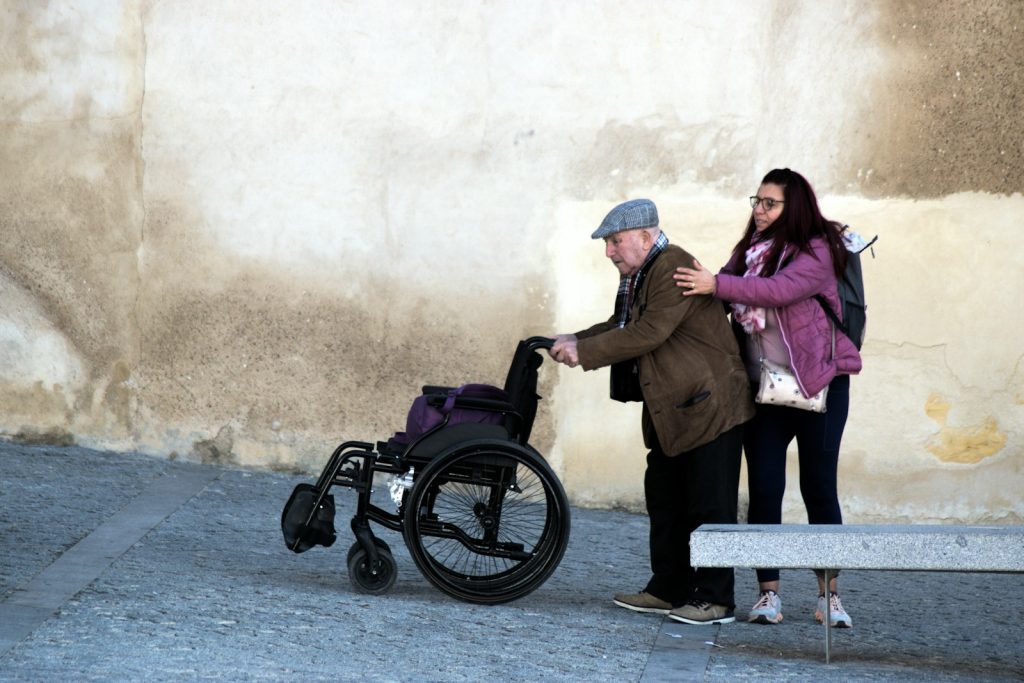
Side-by-side: companion care vs. home health care
| Companion / homemaker care | Medicare home health care | |
|---|---|---|
Cost in Florida | Paid privately. Florida median for homemaker services about $32/hr in 2025 (CareScout). Dementia Companions: $35/hour for 40+ hours a week. | $0 for covered services if you qualify under Medicare; 20% of the approved amount for durable medical equipment after the Part B deductible. |
Who orders it | You do. No prescription needed. | A doctor or allowed practitioner, after a face-to-face visit, certifies the need and orders the care. |
What’s included | Companionship, activities, meal prep, light housekeeping, errands, escort to appointments, medication reminders. | Part-time or intermittent skilled nursing, physical/occupational/speech therapy, medical social services, and aide visits only while skilled care is also happening. |
What’s not included | Medication administration, wound care, injections or any clinical task. | 24-hour care, homemaker services not in the care plan, meals, and personal care when that is the only care needed. |
Eligibility | Anyone. | Must be homebound and need part-time or intermittent skilled care, from a Medicare-certified agency. |
Visit length and consistency | Usually 2 hours to a full day, scheduled around your loved one. Same companion every time with a good provider. | Short clinical visits; staff can change. Ends when skilled goals are met. |
Florida regulation | Providers that offer only companion/homemaker services register with AHCA (s. 400.509). Staff need Level 2 background screening and dementia training. | Home health agencies must be licensed by AHCA (s. 400.464). Staff need Level 2 screening and dementia training. |
Sources: Medicare.gov home health coverage, CareScout 2025 Florida data, Fla. Stat. 400.509, 400.464 and 400.512.
Florida’s dementia training rule applies to both
Since 2023, Florida Statutes s. 430.5025 has required dementia training for employees of covered providers, including home health agencies, nurse registries and companion or homemaker services. Staff get basic written information when they start, a one-hour Department of Elder Affairs course within 30 days if they provide personal care or have regular contact with clients, and two more hours within seven months for in-home personal care staff. When you interview any provider, ask whether its staff have finished this training.
Who each option is for
Companion care
A companion fills the long, ordinary hours: a slow start to the morning, a walk before the heat, lunch, a familiar album, a drive to the barber. For someone with dementia, that structure can reduce wandering, boredom and late-afternoon agitation, and it gives the family caregiver real breaks.
Best for: anyone with dementia who needs company, routine, supervision or help around the house, at any stage.
Home health care
Home health treats something specific: a surgical wound, a new diagnosis like heart failure, recovery after a fall or stroke, or teaching the family to manage a new medication. It is time-limited by design.
Best for: a person who is homebound and has a skilled need, especially in the weeks after a hospital or rehab stay.
Companion care vs home health care: our pick by scenario
Coming home from the hospital after a fall: both. Let Medicare home health handle therapy and nursing; add companion hours so someone is there between visits and watches for delirium. See dementia care after hospital discharge.
Diagnosed with dementia, otherwise medically stable: companion care. There is usually no skilled need for Medicare home health to treat.
Needs help bathing and dressing, but no skilled care: Medicare won’t pay for personal care on its own. Add a licensed home health agency or aide for the hands-on care, and our companion can work alongside them for company, meals and the rest of the day.
Diabetic who needs insulin injections: ask the doctor who should handle the injections (a nurse, a trained family member, or another plan), and add a companion for reminders, meals and the rest of the day.
Home health just ended and you’re worried: companion care is the usual next step. Ask the home health team for their discharge notes so the companion knows what to watch for.
Warning signs that you need more than either service
- Your loved one is unsafe whenever no one is in the house, including overnight.
- Skilled needs are ongoing rather than short-term (for example, daily wound care that isn’t healing).
- Repeated hospital trips in a few months.
- Trouble swallowing, choking or weight loss; see our dysphagia page and talk with the doctor.
- Two-person transfers, or a caregiver who is getting hurt.
These point toward a conversation about memory care or a nursing home, or about hospice if your loved one is in the late stage.
Questions to ask either kind of provider
Which AHCA license or registration do you hold, and can I see the number? (Florida requires registrants to show it in their advertising.)
Have your staff completed Level 2 background screening and the state’s dementia training?
Will my loved one see the same person each visit?
Who do I call when a visit is missed, and how quickly can you send a replacement?
How families combine the two
The most common pattern we see is a short burst of home health after a hospital stay, with companion care before, during and after. During home health, the companion can share what they saw that day with the nurse through the family, help your loved one do the exercises the therapist left, and keep meals and fluids on track. When home health discharges, the companion is already there and already known. Families also use companions alongside hospice: hospice brings nursing and comfort care, and the companion brings presence and gives the family time to rest.
Where Dementia Companions fits, and where it doesn’t
We provide non-medical dementia companion care: companionship, supervision, reminders, meals, light housekeeping, errands, outings and respite. We don’t hold a home health license, so we don’t provide hands-on personal care such as bathing or toileting; for that, families add a licensed home health agency or aide, and our companion can work alongside them. Each companion is screened for dementia care experience and matched one to one with your loved one, at $35 an hour for 40+ hours a week.
They give medication reminders, not medications. They don’t change dressings, check blood sugar, give injections or perform any skilled nursing. Medicare-covered skilled home health is a different, clinical service, and we work alongside it, hospice and private nurses, never instead of them. Our in-home support page lists exactly what a companion does, and our Medicare page explains what Medicare will and won’t pay for.
Need someone there between nurse visits?
We’ll send 3-5 matched companion profiles within 48 hours, so your loved one isn’t alone after home health leaves.
Frequently asked questions
Still have questions?
Talk it through with us. A free call about your family's situation, with no obligation.
Call (689) 333-6079Send us a message- Screened for dementia care experience
- Florida ADRD training before the first visit
Does Medicare pay for a companion for someone with dementia?
No. Medicare does not cover homemaker services or personal care when that is the only care needed. Some long-term care insurance policies reimburse companion or homemaker care, so check your policy.
What does 'homebound' mean for Medicare home health?
Leaving home must be inadvisable because of the condition, or require substantial help or effort. Medical appointments and short non-medical outings such as religious services or adult day care are still allowed.
Can a companion give my mother her medications?
A companion can remind your loved one when it’s time to take medication. Administering medication is a clinical task; ask the doctor or a nurse how to handle it.
Do companion care providers need a license in Florida?
Providers that offer only companion or homemaker services must register with AHCA under s. 400.509 rather than hold a home health agency license. Their staff need Level 2 background screening and dementia training. Dementia Companions provides companion care only; for hands-on personal care, families add a licensed home health agency or aide, and our companion can work alongside them.
Can we have home health and companion care at the same time?
Yes. Home health covers the skilled visits; a companion covers the hours in between. This combination is common after a hospital stay.
Don't see your question? Call (689) 333-6079 or send us a message.
Sources
- Medicare.gov, Home health services coverage
- CareScout, 2025 Cost of Care Survey: Florida results
- Florida Statutes s. 400.509, Registration of companion and homemaker services
- Florida Statutes s. 400.464, home health agency licensure
- Florida Statutes s. 400.512, personnel screening
- Florida Statutes s. 430.5025, Dementia training for covered providers