Dementia family guidance in Florida for the questions nobody prepared you for
Family guidance for dementia: visit notes, monthly care-plan reviews and practical next steps from the people who see your loved one every week.
Family guidance helps relatives understand what’s changing, plan routines and find Florida resources such as the Elder Helpline and Memory Disorder Clinics. At Dementia Companions it comes through a brief note after every visit and monthly care-plan reviews with your loved one’s companion, at our standard rate of $35/hour for 40+ hours a week. It is not medical, legal or financial advice.
What family guidance is
Most families come to dementia care with no map.
Someone has to figure out what the diagnosis means day to day, which programs exist, how to talk to a parent who insists nothing is wrong, and how siblings in three states can share the load. Family guidance is our help with those questions, alongside the day-to-day care.
It’s built around what we see during visits. Because one consistent companion knows your loved one well, the advice you get comes from close observation, not a one-time intake form.
What guidance includes
- A brief note after every visit: mood, meals, sleep, anything new
- Monthly care-plan reviews with the family
- Practical coaching on routines, communication and sundowning
- Pointers to Florida resources: Area Agencies on Aging, Memory Disorder Clinics, support groups
- Help preparing questions for doctor visits and family meetings
What it is not
- Medical advice, diagnosis or treatment decisions
- Legal advice on powers of attorney, guardianship or wills
- Financial or benefits planning
- A licensed clinical care manager or social worker
For those, we’ll suggest you talk to your loved one’s doctor, a Florida elder law attorney, or your local Aging and Disability Resource Center.

What a family-guidance visit can look like
Guidance happens inside regular visits rather than as a separate appointment. Here’s a two-hour visit where an adult son joins to plan the next month for his mother in Jacksonville:
| Time | What happens |
|---|---|
| 0:00-0:30 | The companion spends time with his mother as usual while he watches the routine: what calms her, where she gets stuck. |
| 0:30-1:00 | While she naps, the companion walks him through the last month’s visit notes: later afternoons are harder, she’s eating less at dinner. |
Then the planning starts:
| Time | What happens |
|---|---|
| 1:00-1:30 | Together they adjust the plan: move the visit later to cover the difficult hours, add a simple snack routine, try a familiar playlist at 4 p.m. |
| 1:30-2:00 | A list of next steps for him: ask her doctor about the appetite change, call the Elder Helpline about ADI respite, update the hospital information sheet. |
Who family guidance helps most
It is most useful at turning points:
- Families right after a diagnosis who don’t know what comes next
- Long-distance families who rely on the visit notes for a clear picture
- Siblings who disagree about how much help is needed
- Spouses trying to understand behavior changes like anosognosia (not recognizing one’s own illness)
- Families weighing whether to stay at home or move to memory care
Questions families often bring us
Every family’s situation is different, but some questions come up again and again in our monthly reviews:
- “She keeps asking for her mother, who died years ago. Do we correct her?” We talk through gentle ways to respond to the feeling behind the question rather than arguing about facts. Our guide on communicating when words get hard goes deeper.
- “He gets angry every evening. Is this normal?” Late-day agitation is common. We look at the visit notes for patterns such as hunger, fatigue, noise or light, and suggest changes. Sudden new confusion can signal an infection or delirium, so call the doctor if it comes on fast.
Two more we hear often:
- “How do we know when to add hours?” Signs include more missed meals or doses, falls, wandering, or a caregiver who is running on empty.
- “What do we tell Dad about the companion?” Many families introduce the companion as a friend or a helper for the household rather than as a caregiver, which can feel less threatening.
How matching supports guidance
Good guidance depends on a companion who knows your loved one, which is why our matching starts with a detailed first call, then 3-5 video profiles within 48 hours, then your choice of one primary companion. That same person writes the visit notes and joins the monthly review. If the match isn’t right, the rematch is free.
Cost
Our rate is $35 an hour for 40+ hours a week, no hidden fees, no contract; call us about shorter schedules. Visit notes and monthly reviews are part of how we work with every family.
How guidance pairs with other services
Guidance runs underneath every service. Notes from respite visits tell you how your loved one did while you were away; notes from in-home support flag a missed dose or an empty fridge. When the conversation turns to bigger changes, these pages help: in-home care vs. memory care, memory care vs. nursing home and private caregiver vs. agency.
Florida resources we often point families to
- Elder Helpline: 1-800-963-5337 (1-800-96-ELDER). Connects you with your local Aging and Disability Resource Center, which handles information, referrals and eligibility screening for state programs.
- Memory Disorder Clinics. The Florida legislature has authorized 17 clinics under the Alzheimer’s Disease Initiative, which provide diagnostic and referral services and caregiver education. Ask your loved one’s doctor about a referral.
For support and paperwork:
- Alzheimer’s Association Helpline: 800-272-3900. Free, confidential, with interpreters available, and it can register you for support groups.
- Legal documents. Florida families commonly put a durable power of attorney and a health care surrogate designation in place while the person can still take part. Start with our legal and financial planning guide, then talk with an elder law attorney.
All of these are collected on our Florida dementia resources page. The hospital information sheet and care log are free tools families often fill in during guidance visits.
Families we serve
- Miami-Dade
- Fort Lauderdale & Broward
- Palm Beach County
- Naples & Collier
- Fort Myers & Lee
- Sarasota & Manatee
- Tampa & Hillsborough
- Orlando & Orange County
- Jacksonville & Duval
Get help and a plan, not just a visit
Start with one call. You’ll see 3-5 matched companion profiles within 48 hours. $35/hour for 40+ hours a week, no long-term contract.
Watch a caregiver before you choose
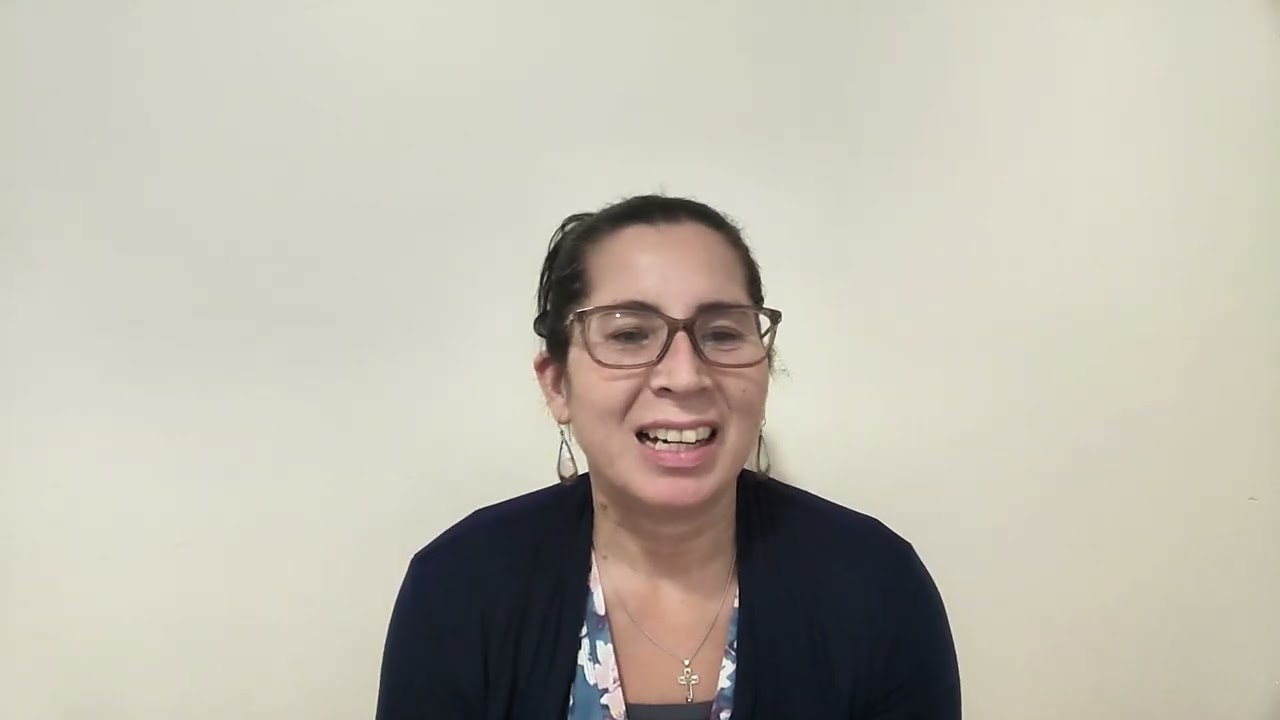
Families watch video interviews like these and choose their companion. No one is sent to your parent's home until you have watched them and said yes.


Frequently asked questions
Still have questions?
Talk it through with us. A free call about your family's situation, with no obligation.
Call (689) 333-6079Send us a message- Screened for dementia care experience
- Florida ADRD training before the first visit
Is family guidance the same as a geriatric care manager?
No. Our guidance comes from the companion team that sees your loved one each week and is practical, not clinical. A licensed care manager or social worker offers formal assessments and case management.
Can you help us decide when it's time for memory care?
We can share what we observe and walk through the trade-offs, but the decision belongs to your family, ideally with input from your loved one’s doctor. See in-home care vs. memory care.
How do siblings in other states stay informed?
Visit notes can go to the family members you choose, and anyone can join the monthly care-plan review by phone or video.
Who do I call in the middle of the night?
For a medical emergency, call 911. For dementia questions at any hour, the Alzheimer’s Association Helpline is 800-272-3900, at any hour. Our office hours are Mon-Fri 9am-6pm and Sat 10am-2pm ET at (689) 333-6079.
What should a dementia care plan include?
A practical plan covers the daily routine and the hardest hours, what calms your loved one and what upsets them, meals, sleep and anything new, how the family talks with them, who covers each part of the week, and the questions to take to the next doctor visit. With family guidance, the companion's notes after every visit feed a monthly review of the plan with you. Medical, legal and financial decisions stay with the doctor, an elder law attorney and your local Aging and Disability Resource Center.
Don't see your question? Call (689) 333-6079 or send us a message.