Dementia companion care in Florida, like a familiar friend
Dementia companion care with one consistent companion who gets to know your loved one and shows up for them, visit after visit.
Dementia companion care is non-medical, in-home company and support for someone living with dementia: conversation, activities, meals, supervision and medication reminders. At Dementia Companions, one consistent companion, screened for dementia care experience, visits at $35/hour for 40+ hours a week, and you see 3-5 matched video profiles within 48 hours. Our companions don’t provide hands-on personal care such as bathing or toileting; for that, families add a licensed home health agency or aide, and our companion can work alongside them.
What dementia companion care includes
Dementia companion care means a consistent companion comes to your loved one’s home on a regular schedule and spends that time with them: talking, walking, cooking, listening to music, keeping the day on track.
The goal is simple. Your loved one is safer, less alone, and more like themselves, and you get time back.
With Dementia Companions, that person is one consistent companion, screened for dementia care experience, whose video interview you watch before you decide. Visits run from about two hours up to a full day. After each visit you get a short note on how the day went, and every month we review the care plan with you.
Included
- Conversation, company and supervision at home
- Activities matched to your loved one’s interests and stage
- Meal preparation and help staying hydrated
- Light housekeeping tied to the visit
- Errands and going along to appointments
- Medication reminders (not administration)
- A brief written note after every visit
Not included
- Giving medication, injections or any clinical task
- Hands-on personal care such as bathing or toileting (add a licensed home health agency or aide; our companion can work alongside them)
- Wound care, catheter care or other skilled nursing
- Diagnosis or medical advice
- Long-term contracts or minimum commitments
Companions are not nurses. Many families use a companion alongside home health, hospice or a private nurse.

A typical four-hour afternoon visit
No two visits look the same, but most follow a gentle rhythm. Here is what an afternoon might look like for a man in the middle stage who lives with his wife in Sarasota:
| Time | What happens |
|---|---|
| 1:00 | Arrival and a calm hello. The companion checks the notes from the last visit and asks how the morning went. |
| 1:15 | Lunch made together. He rinses vegetables; she handles the stove. A medication reminder if one is due. |
| 2:00 | A short walk on the shaded side of the street, or an indoor stroll if the heat index is high. |
After the walk, the afternoon slows down:
| Time | What happens |
|---|---|
| 2:30 | Music and old photos: Sinatra, a Navy album, the grandchildren’s pictures on the tablet. |
| 3:15 | Quiet time with a snack and water. A puzzle, folding laundry, or watching a ball game. |
| 4:00 | Tidy up, write the visit note, and a warm goodbye. His wife comes back from her appointment to a calm house. |
For a closer look at a full day, read what a dementia companion does, hour by hour.
Who companion care for dementia patients is for
- People in the early or middle stage who are safe at home but should not spend long stretches alone
- A spouse caregiver who needs a few protected hours each week (see spouse caregivers)
- Adult children who live far away and want someone they trust checking in (see long-distance families)
It also suits:
- People with Alzheimer’s, vascular, Lewy body or frontotemporal dementia, whatever the diagnosis
- Someone recovering after a hospital stay who needs company while home health handles the medical side
Alzheimer’s companion care follows the same approach as companion care for any other type of dementia. What changes is the plan: someone with Lewy body dementia may need more attention to falls and visual confusion, while someone with frontotemporal dementia may need more structure around impulsive behavior. Your loved one’s doctor remains the right person for diagnosis and treatment.
How matching works
- One phone call. We learn about your loved one’s history, routines, stage, and what a good day looks like.
- 3-5 video profiles within 48 hours. You watch short introductions from companions matched to your needs.
- You choose. Your family decides who meets your loved one. Nobody is assigned without your say.
- One primary companion. The same face, visit after visit. Familiarity lowers anxiety, especially later in the day.
- Free rematch. If the fit is wrong, we find someone new at no charge.
More detail is on how it works.
What it costs
The rate is $35 an hour for 40+ hours a week, in every area we serve; call us about shorter schedules. There are no hidden fees, no markups and no long-term contracts. Monthly figures below use 4.33 weeks per month.
| Schedule | Hours/week | Weekly | About monthly |
|---|---|---|---|
| 5 visits × 8 hours | 40 | $1,400 | $6,062 |
For context, CareScout’s 2025 Cost of Care Survey put Florida’s median for a private one-bedroom in assisted living at about $67,320 a year, roughly $5,610 a month. Run your own numbers with the dementia care cost calculator or read the full cost of dementia care in Florida guide. Dementia Companions is private-pay; some long-term-care insurance policies reimburse companion or homemaker care, so check your policy (how that works).
How it pairs with other care
Companion care fills the hours between medical visits. A home health nurse might come twice a week for a wound or therapy; the companion is there for the long, quiet afternoons. With hospice, a companion can sit with your loved one so family members can rest. Some families combine two adult day center days with companion visits on the other days. If you are weighing these options, see companion care vs. home health care and in-home care vs. assisted living. New to the terms? The glossary entry on companion care explains it in a paragraph.
Florida notes
The Alzheimer’s Association estimated that about 579,900 Floridians age 65 and older were living with Alzheimer’s (2020 estimate, published in its 2024 Florida figures), supported by roughly 840,000 unpaid family caregivers. Many of those caregivers are spouses in their seventies and eighties, which is why steady outside help matters here.
Florida life also shapes the visit. Summer afternoons mean walks happen early or indoors, with water close by. From June through November, companions can help keep a hurricane go-bag current; our hurricane preparedness guide covers the rest. And if your loved one has started to wander, read the Florida wandering guide before the first visit so the companion knows the plan.
Where we provide companion care
- Miami-Dade
- Fort Lauderdale & Broward
- Palm Beach County
- Naples & Collier
- Fort Myers & Lee
- Sarasota & Manatee
- Tampa & Hillsborough
- Orlando & Orange County
- Jacksonville & Duval
When you need more than visits: live-in care
As dementia progresses, some families need someone present day and night. We arrange live-in companion care from $375 a day. The same matching process applies: you see caregiver video profiles first and choose who joins your home.
See who could keep your loved one company
Tell us about your loved one and get 3-5 video profiles of matched companions within 48 hours. $35/hour for 40+ hours a week, no contract.
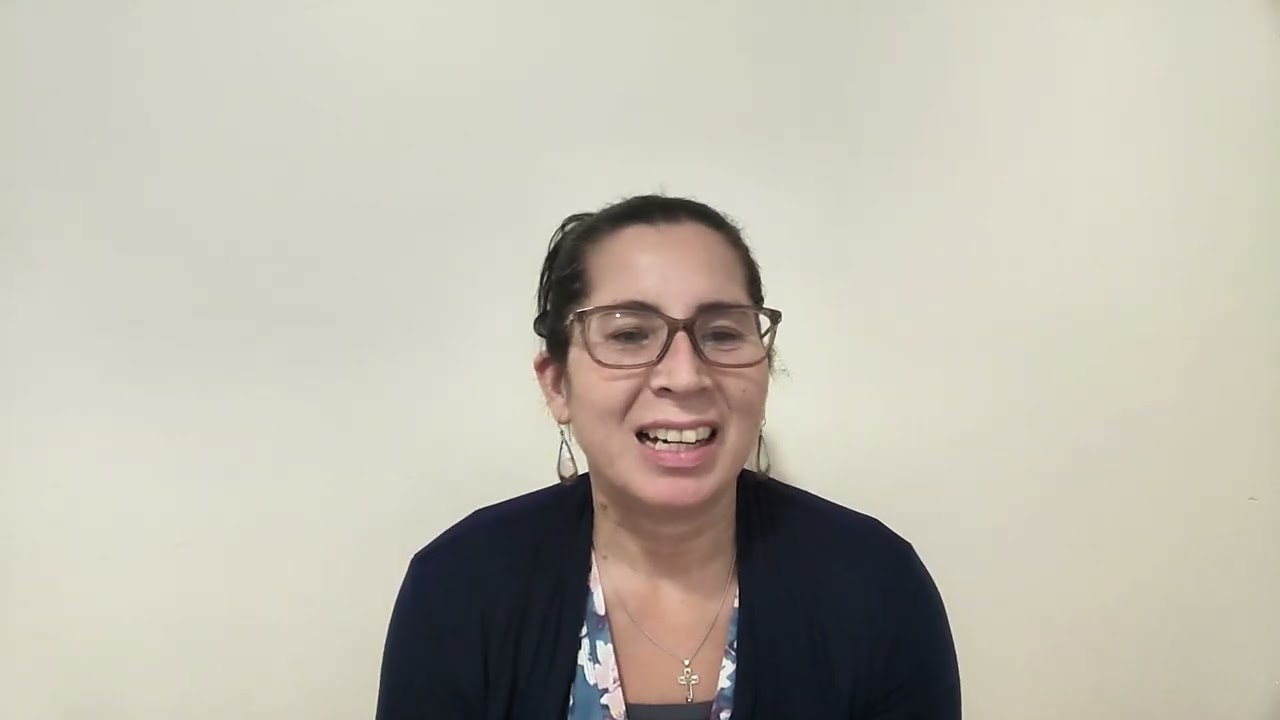
Watch a caregiver before you choose
Families watch video interviews like these and choose their companion. No one is sent to your parent's home until you have watched them and said yes.


Frequently asked questions
Still have questions?
Talk it through with us. A free call about your family's situation, with no obligation.
Call (689) 333-6079Send us a message- Screened for dementia care experience
- Florida ADRD training before the first visit
What is the difference between a companion and a home health aide?
Under Florida law, a companion on their own offers non-medical support such as company, activities, meals, errands and medication reminders, while a home health aide can also give hands-on personal care. Dementia Companions provides companion care; for hands-on personal care, families add a licensed home health agency or aide, and our companion can work alongside them. Medicare home health care is different again: a doctor orders it, and nurses and therapists deliver it for medical needs. Many families use both. See companion care vs. home health care.
Is Alzheimer's companion care different from dementia companion care?
The service is the same. Alzheimer’s disease is the most common cause of dementia, and the companion’s plan is shaped around your loved one’s symptoms, stage and routines rather than the label.
How many hours a week do most families start with?
Many start with two or three visits of about four hours and adjust after the first monthly care-plan review. Visits can be as short as about two hours or as long as a full day.
Does Medicare pay for dementia companion care?
Medicare generally does not cover non-medical companion care, and Dementia Companions is private-pay. Some long-term-care insurance policies reimburse companion or homemaker care. See paying for dementia care.
What if my loved one doesn't like the companion?
Tell us. Rematching is free, and you will again choose from matched profiles before anyone new visits.
Don't see your question? Call (689) 333-6079 or send us a message.