Hospital information sheet for a loved one with dementia
A printable hospital information sheet: the one-page "about me" that tells ER and hospital staff what they need to know when you cannot be there to explain.
A dementia hospital information sheet is a one-page summary for ER and hospital staff: your loved one’s name and preferred name, contacts and decision-makers, medications, allergies, how they communicate and show pain, routines, and what calms or upsets them. Fill in our free printable before an emergency, and keep copies in the go-bag and on the fridge.
Why a hospital information sheet matters
Hospitals are hard on people with dementia.
The noise, bright lights, new faces and interrupted sleep can trigger fear, agitation or sudden extra confusion. Staff often don’t know what is normal for your loved one, how they show pain, or that they always nap after lunch. This one-page sheet tells them, even when you can’t be at the bedside.
Fill it in now, while things are calm. Make three copies: one in the emergency go-bag, one on the fridge for paramedics, and one in the car or your bag. Take a photo of it on your phone too.
About me: information for hospital and emergency staff
I have dementia. Please read this before caring for me. Date completed: ______________
Who I am
Help staff see the person, not just the patient.
| Full name and what I like to be called | |
| Date of birth | |
| Primary language(s) | |
| Type of dementia (if diagnosed) | |
| Where I live / who I live with | |
| Former job or what I’m proud of |
Who to call and who can decide
List people who can be reached day and night.
| Main family contact and phone | |
| Second contact and phone | |
| Health care surrogate / proxy (name, phone) | |
| Durable power of attorney (name, phone) | |
| Primary doctor and phone | |
| Advance directive / DNR on file? Where kept? |
Medications, allergies and health
Include over-the-counter medicines and supplements.
| Medication | Dose | Time(s) taken | Reason |
|---|---|---|---|
Allergies, conditions and equipment
Include anything that affects safe care.
| Allergies and reactions | |
| Other conditions (diabetes, heart, etc.) | |
| Hearing aids / glasses / dentures | |
| Swallowing problems or special diet | |
| Mobility (walker, cane, fall risk) | |
| Continence needs |
How to communicate with me
Describe what you actually see and hear.
| How I show pain | |
| How I show I’m hungry, thirsty or need the bathroom | |
| Words or approaches that help | |
| Things that upset or frighten me | |
| What calms me (music, a photo, an object, a person) |
My routine
Familiar routines lower distress in a strange place.
| Usual wake-up and bedtime | |
| Naps | |
| Meal times and food preferences | |
| Likely to wander or try to leave? What helps? |
Tips for filling it in
Specific details help staff most.
- Be specific about pain. “Rubs her forehead and stops eating” helps staff more than “can’t tell you when she’s hurting.”
- List every medication, including over-the-counter pills and supplements. Update the sheet whenever a prescription changes.
- Name the decision-makers. If you have a health care surrogate or durable power of attorney, bring copies of the documents. Our Florida legal planning guide explains them.
Two more details that matter in an emergency:
- Write what calms them. A favorite song, a rosary, a photo of a late husband, a hand to hold. Pack the item in the go-bag.
- Note swallowing problems. If eating has become hard, say so clearly; see dysphagia.
What to pack with the sheet
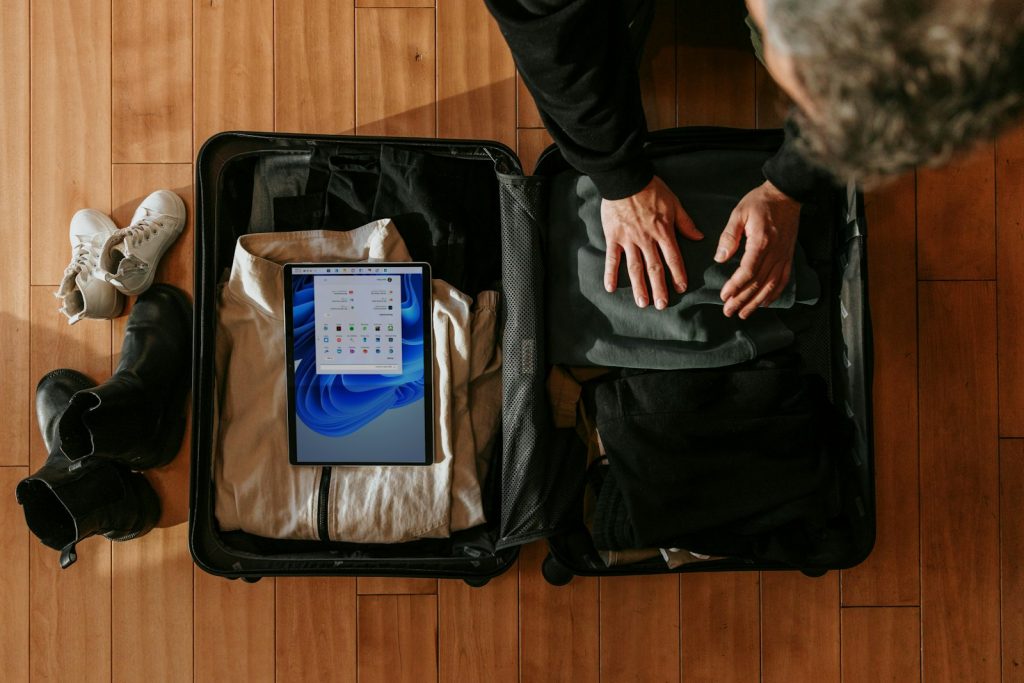
Keep the hospital information sheet in a zip bag with a few other things staff often ask for:
- Copies of insurance cards and photo ID
- Copies of the health care surrogate and power of attorney documents
- A current medication list, or the bottles themselves
- Glasses, hearing aids with spare batteries, and dentures in a labeled case
- A comfort item and a familiar sweater or blanket
- A phone charger and a list of family numbers
Mayo Clinic lists vision and hearing loss among the risk factors for delirium, and notes that room changes, noise, poor lighting and lack of daylight in hospitals make it harder to prevent. Glasses and hearing aids on, and a familiar voice nearby, are simple ways to help.
During and after a hospital stay
Ask whether a family member or familiar person can stay with your loved one, especially overnight. Watch for delirium, a sudden change in attention and confusion that’s common in hospital and often treatable; tell the nurse right away if you notice it. Before discharge, ask for written instructions and a list of any medication changes.
Coming home is often a fragile time. A familiar companion can help settle your loved one, keep the routine, and give medication reminders while home health handles any nursing. Read the family caregiver’s hospital survival guide, our page on care after hospital discharge, and the hurricane preparedness guide, since the same sheet belongs in an evacuation bag.
For dementia questions at any hour, the Alzheimer’s Association Helpline is 800-272-3900. In an emergency, call 911.
Help for the trip home
A familiar companion can be there when your loved one gets home from the hospital. See 3-5 matched profiles within 48 hours.
Frequently asked questions
Still have questions?
Talk it through with us. A free call about your family's situation, with no obligation.
Call (689) 333-6079Send us a message- Screened for dementia care experience
- Florida ADRD training before the first visit
What should I bring to the hospital for someone with dementia?
This information sheet, a current medication list, copies of the health care surrogate or power of attorney documents, glasses, hearing aids, dentures, and a familiar comfort item.
Can I stay with my loved one in the hospital?
Policies vary by hospital and unit. Ask the nurse manager; many hospitals make allowances for patients with dementia because a familiar person can reduce distress.
What is hospital delirium?
A sudden change in attention and thinking that can come on over hours or days, often triggered by illness, surgery, medications or the hospital environment. Tell staff right away if you notice it. See delirium.
How often should I update the sheet?
Whenever medications, doctors or contacts change, and at least every few months.
Why do people with dementia get worse in the hospital?
Hospitals are hard on people with dementia: the noise, bright lights, new faces and interrupted sleep can trigger fear, agitation or sudden extra confusion. Mayo Clinic lists vision and hearing loss among the risk factors for delirium, and notes that room changes, noise, poor lighting and lack of daylight in hospitals make it harder to prevent. Glasses and hearing aids on, a familiar voice nearby, and this sheet telling staff what is normal for your loved one are simple ways to help.
Don't see your question? Call (689) 333-6079 or send us a message.