Sundowning is a pattern of increased confusion, anxiety, agitation, or restlessness that starts in the late afternoon or evening in many people living with dementia. It is a set of symptoms, not a separate disease. A steady routine, daylight and activity earlier in the day, a calmer, well-lit evening, and checking for hidden causes like pain or infection can make evenings easier.
This guide explains what sundowning looks like, why it happens, common triggers, nine practical ways to ease it, what to do in the moment, and when to call the doctor. It includes notes for Florida families, where long, hot summer days and early winter sunsets both play a part.
Table of contents
What is sundowning?
The Alzheimer’s Association describes sundowning as increased confusion that may start at dusk and continue through the night. It is also called sundowner’s syndrome or late-day confusion. The exact cause is unknown, but it may be linked to brain changes and a disrupted internal body clock.
For a short definition, see our sundowning glossary entry.
Common signs
- Restlessness, pacing, or trying to leave
- Anxiety, irritability, or sudden mood swings
- Confusion about time or place
- Suspicion, shadowing a caregiver, or calling out
- Trouble settling for sleep
Symptoms vary from day to day and person to person.

What triggers sundowning?
Mayo Clinic and the Alzheimer’s Association list several factors that can set it off or make it worse:
- Fatigue after a busy day or a late appointment
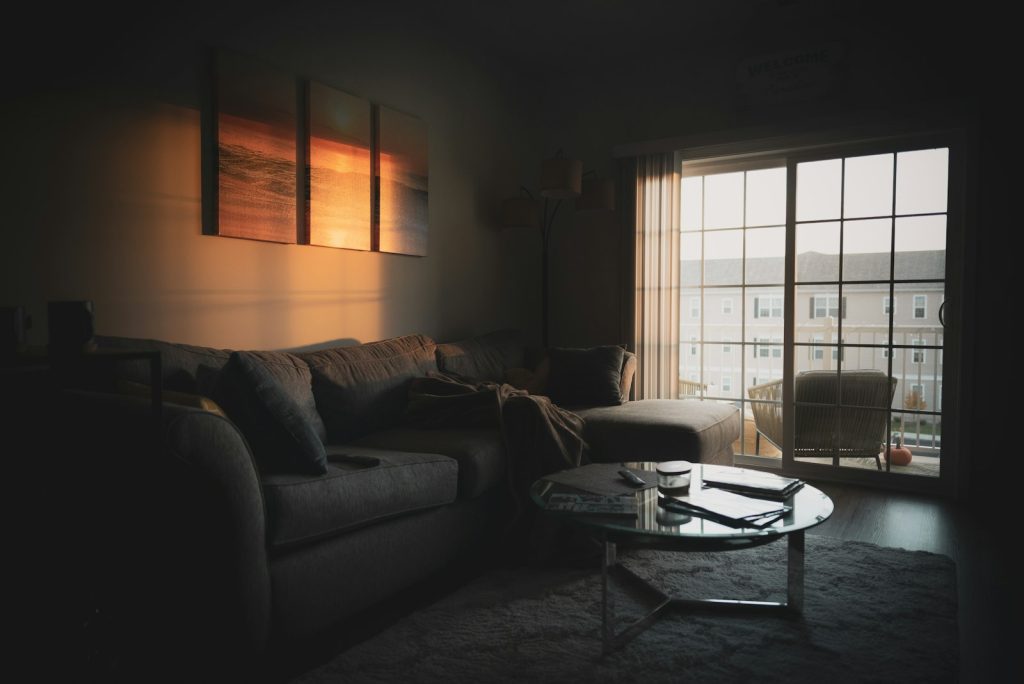
- Low light and shadows that create confusing shapes
- A disrupted body clock that leaves someone sleepy by day and alert at night
- Hunger, thirst, or boredom
- Pain, depression, or infections such as urinary tract infections
- Unfamiliar places or changes in routine
- Picking up on caregiver stress
Keeping a log of what happens before each episode helps you spot your loved one’s personal triggers.
9 ways to ease sundowning
Try a few changes at a time and give them a week or two.
1. Keep a predictable routine
Wake-up, meals, activities, and bedtime at about the same times each day give the brain anchors. Our guide to calming daily routines shows how.
2. Get daylight early
The National Institute on Aging recommends time outside or by a sunny window each day. In Florida, an early morning walk gives bright light before the heat.
3. Stay active, but do not overschedule
Daily movement helps, but too many outings tire people out. Put appointments, bathing, and errands in the morning or early afternoon.
4. Limit long and late naps
A short rest after lunch is fine for many people. Long dozing late in the day makes evenings harder.
5. Cut caffeine and alcohol later in the day
The NIA advises avoiding coffee, cola, and alcohol late in the day.
6. Serve a bigger lunch and a lighter dinner
The Alzheimer’s Association suggests this shift. A small snack and a drink in mid-afternoon can also head off hunger and thirst.
7. Turn the lights on before dusk
Bright, even lighting in the evening reduces shadows. Close blinds as it gets dark. In Florida winters, sunset comes early, so plan ahead.
8. Quiet the evening
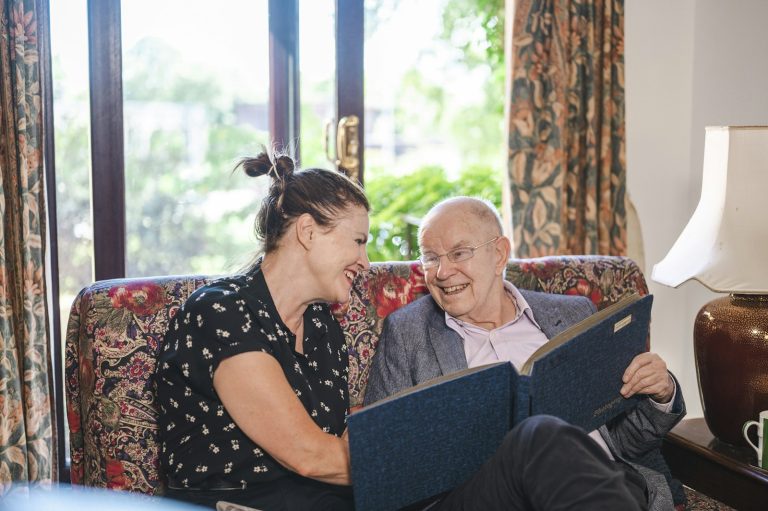
Lower TV volume, skip the news, and keep household activity calm. Offer soothing music, photos, or a familiar movie.
9. Plan a calm late-afternoon activity
Folding towels, a short walk, a hand massage, or a favorite playlist can redirect restless energy. Our list of activities for dementia patients at home has more ideas.
Sundowning: triggers and responses at a glance
| Trigger | Try this |
|---|---|
| Tired after a busy day | Morning appointments, a short early-afternoon rest |
| Fading light | Lights on before dusk, blinds closed |
| Hunger or thirst | Snack and drink around mid-afternoon |
| Boredom | Simple, familiar task or music |
| Noise and activity | Turn off the news, lower voices |
| Pain or infection | Call the doctor |
Most families find that two or three of these make the biggest difference.
What to do during an episode
Even with good prevention, hard evenings happen. How you respond matters.
- Stay calm. Your tone is contagious. Lower your voice and slow down.
- Check basic needs. Bathroom, pain, hunger, thirst, temperature.
- Validate, then redirect. “You’re worried about the kids. Let’s have some tea while we wait.”
- Do not argue. Correcting their reality usually escalates distress.
- Allow safe pacing. The Alzheimer’s Association notes supervised pacing is fine. Never use physical restraint.
If your loved one tries to leave, see our dementia wandering guide. If agitation turns aggressive, read our calm guide to agitation and aggression.
Sundowning in a Florida home
Florida’s seasons shape late afternoons in their own way. In summer, heat keeps many people indoors with the blinds drawn, so they get less daylight and less movement, which can weaken the body clock. Aim for an early morning walk or time on a bright, shaded lanai.
In winter, darkness arrives earlier, so turn lights on sooner. Holiday visitors, snowbird neighbors coming and going, and hurricane-season disruptions can all upset routines. When change is unavoidable, keep meals, music, and bedtime steps the same.
Protect your own evenings
Late-day confusion often lands when caregivers are most tired. Plan your own break earlier in the day, keep evening chores simple, and line up a relative or companion for the hardest hours a few times a week. If you feel worn down, our caregiver burnout guide can help you take stock.
Sundowning or delirium?
Sundowning follows a fairly regular daily pattern. Delirium is a sudden change in attention and awareness, often over hours or days, and it can be caused by infection, dehydration, or medication. If confusion is suddenly much worse than usual, especially during the day, treat it as a possible medical problem. Our guide to sudden confusion and infections explains the signs.
Example: a calmer evening in Sarasota
This is an illustrative example, not a real client. A wife notices her husband grows anxious every day around 4:30 p.m. and asks to “go home.”
- She moves his doctor visits to mornings and makes lunch the main meal.
- At 3:30 p.m. she offers decaf iced tea and a snack.
- A companion comes at 3 p.m. twice a week for a shaded walk and his favorite records.
- At 5 p.m. every light in the living room goes on, and the news stays off.
Evenings are not perfect, but the episodes are shorter and less intense. She keeps a simple notebook of what happened before each hard evening and brings it to his next checkup, which helps the doctor rule out pain and infection and suggest small medication timing changes.
When to call the doctor
Talk to your loved one’s doctor if sundowning is frequent, severe, getting worse, or comes on suddenly. Mayo Clinic notes that a urinary tract infection or sleep apnea could be a factor, especially when symptoms appear suddenly, and that pain, depression, or a medicine side effect can also play a role. Mayo also notes some research suggests low-dose melatonin may help; ask the doctor before trying it. Experts generally recommend non-drug approaches first. This article is general information, not medical advice.
Frequently asked questions
What time of day does sundowning usually start?
It typically begins in the late afternoon or around dusk and can continue into the night. Some people have symptoms earlier on overcast days or in winter when it gets dark sooner.
Which stage of dementia has the most sundowning?
Sundowning is commonly seen in the middle and later stages, but it can appear at any point. Patterns change over time, so keep adjusting your approach.
Can sundowning happen in the morning?
The classic pattern is late in the day, but confusion and agitation can happen at other times. Sudden confusion in the morning or midday may point to another cause, such as infection or medication, so tell the doctor.
Does melatonin help with sundowning?
Mayo Clinic notes some research suggests a low dose may ease sundowning, sometimes paired with daytime light. It can interact with other medicines, so ask the doctor first.
How can I get a break from difficult evenings?
Ask relatives to cover some late afternoons, or book companion visits during the hours that are hardest. Learn about dementia respite care.
Still have questions?
Talk it through with us. A free call about your family's situation, with no obligation.
Call (689) 333-6079Send us a message- Screened for dementia care experience
- Florida ADRD training before the first visit
Conclusion
Sundowning is common, exhausting, and often manageable, and most families improve things with small, steady changes rather than one big fix. Routine, early daylight, activity, a bigger lunch, bright evening lights, and a quiet house help many families.
When an episode starts, stay calm, check basic needs, validate, and redirect. Call the doctor for sudden or severe changes.
If late afternoons are your hardest hours, get 3 free caregiver profiles within 48 hours or call (689) 333-6079. Our dementia companion care visits can cover the toughest part of the day.
Want a companion screened for dementia care experience?
We'll send 3-5 caregiver video profiles within 48 hours, so you can watch their video interviews before you decide. $35/hour for 40+ hours a week, no contracts.