What is sundowning?
A plain-English definition of late-day confusion, plus practical steps Florida families can use tonight.
Sundowning is a pattern of increased confusion, anxiety, restlessness or agitation that starts in the late afternoon or evening in a person living with dementia and can last into the night. It is a group of symptoms rather than a disease, and its exact cause is not known.
What sundowning looks like at home
Families usually describe the same clock-driven shift.
Your loved one is fairly settled at lunch, then around 4 or 5 p.m. starts pacing, asking to “go home” while already home, following you from room to room, or getting short-tempered over small things. Some people become suspicious, refuse directions, or try to leave the house. Others simply grow anxious and tearful as the light fades.
In Florida, early winter sunsets and the summer habit of drawing blinds against the heat both darken the house earlier, which many caregivers notice makes evenings harder.
Why it happens
No one knows the precise cause. Mayo Clinic lists likely triggers: fatigue at the end of the day, low light and shadows, a disrupted body clock, hunger or thirst, boredom, pain, depression, unfamiliar surroundings and infections such as a urinary tract infection. Brain changes from dementia make it harder for your loved one to make sense of these discomforts, so the distress comes out as restlessness instead.
What helps at home
- Keep wake-up, meal and bedtime at the same time every day.
- Get outdoor light and some movement in the morning; limit long afternoon naps.
- Keep caffeine and sweets to the morning.
As the afternoon goes on, shift to calming steps:
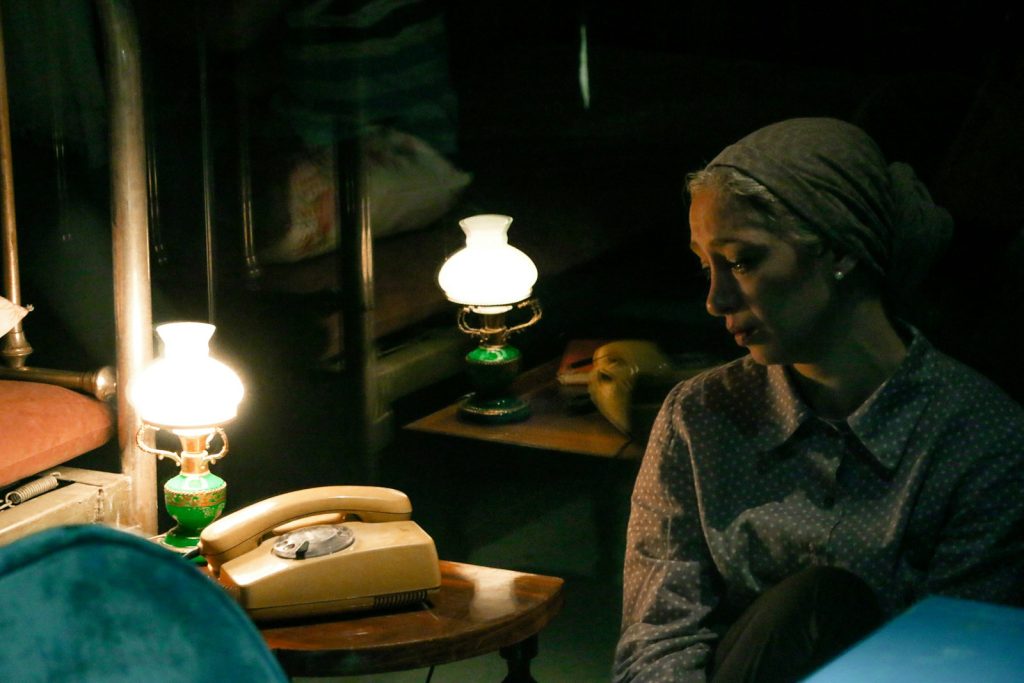
- Turn lamps on before dusk and use night lights to cut shadows.
- Lower the noise in the evening: TV off, fewer visitors, soft familiar music.
- In an unfamiliar place, such as a relative’s house or a hotel during a hurricane evacuation, bring familiar items like family photos.
- Offer a snack and a drink, and check for pain or a full bladder before assuming it is “just behavior.”
- Answer the feeling, not the words. “You’re safe, I’m staying with you” works better than arguing about where home is.
Mayo Clinic also notes that daytime bright light, sometimes combined with a low dose of melatonin, may help, but check with the doctor before trying any supplement.
Our blog post on sundowning and how to manage it goes deeper, and a steady daily routine is often the single most useful tool.
How sundowning changes across the stages
Late-day confusion is uncommon early on, when most people still manage their own routines. The Alzheimer’s Association describes the middle stage, usually the longest, as the time when sleep patterns shift: more dozing in the day and more restlessness at night. That is when most families first name the problem.
In the late stage, people often have less energy to pace or argue, and the evening distress may show up as moaning, calling out or resisting care instead. Because expressing pain gets harder at that point, treat a new evening pattern as a reason to look for discomfort first.
A short example evening
Here is one way a calmer evening can run. It is a template, not a rule; adjust the times to your loved one’s habits.
| Time | What happens | Why it helps |
|---|---|---|
| 3:00 p.m. | Short walk or porch time while it is still bright | Daylight and movement support night sleep |
| 4:00 p.m. | Decaf drink and a small snack; bathroom trip | Removes hunger, thirst and a full bladder as triggers |
As the light starts to fade, shift the house into evening mode.
| Time | What happens | Why it helps |
|---|---|---|
| 4:30 p.m. | Lamps on, blinds half open, TV off | Fewer shadows and less noise |
| 5:00 p.m. | Simple task together: fold towels, set the table | A useful role eases restlessness |
| 5:30 p.m. | Early, familiar dinner | Avoids eating when most tired |
| 7:00 p.m. | Favorite songs or recorded nature sounds, like ocean waves | Gentle sound settles the room |
| 8:30 p.m. | Same bedtime steps every night; night lights on | Predictability lowers anxiety in the dark |
If an evening still goes badly, note what was different that day. Patterns usually show up within a week or two.
Sundowning checklist: what to track for the doctor
- The time the restlessness starts and how long it lasts.
- Naps that day, and how long each one was.
- Caffeine, sugar and fluids after lunch.
- Any new medicine or dose change in the past two weeks.
- Signs of pain, constipation, fever or burning urination.
- Snoring or pauses in breathing at night.
Our printable dementia care log has room for all of this.
When to call the doctor
Call your loved one’s doctor if evening confusion appears suddenly, gets markedly worse over a day or two, or comes with fever, burning urination, a new medicine, poor sleep with loud snoring, or signs of pain. Mayo Clinic notes that infections and sleep apnea can drive symptoms, especially when they start abruptly. A sudden change may be delirium, which needs prompt medical care.
Sundowning vs. delirium
Sundowning follows a daily rhythm and builds over weeks or months as dementia progresses. Delirium comes on over hours to a few days, swings through the whole day, and usually has a medical cause such as infection, dehydration or medication. When in doubt, treat a sudden change as delirium until a clinician says otherwise.
Florida help for hard evenings
The Alzheimer’s Association Helpline at 800-272-3900 answers 24 hours a day, every day, with interpreters in more than 200 languages, which is useful when the worst moments happen after office hours. For programs near you, including caregiver training and respite, call Florida’s Elder Helpline at 1-800-963-5337 to reach your local Aging and Disability Resource Center. Our Florida dementia resources page lists more.
How a companion can help
Many families book a dementia companion for the 3 p.m. to 8 p.m. window, when sundowning peaks and the family caregiver is most worn out. A familiar face, an early dinner, a walk before dusk and a calm wind-down can take the edge off. Our rate is $35 an hour for 40+ hours a week (call us about shorter schedules), and you can read how it compares in our Florida dementia care cost guide. If evenings are the hardest part of your week, respite care can give you a regular night off.
Related terms
Need help with the evening hours?
Tell us when sundowning hits. We send 3-5 matched companion video profiles within 48 hours, at $35/hour for 40+ hours a week.
Frequently asked questions
Still have questions?
Talk it through with us. A free call about your family's situation, with no obligation.
Call (689) 333-6079Send us a message- Screened for dementia care experience
- Florida ADRD training before the first visit
What time of day does sundowning usually start?
It typically begins in the late afternoon or early evening and can continue into the night. Many families notice it between about 4 p.m. and bedtime.
Can a urinary tract infection make sundowning worse?
Yes. Mayo Clinic lists infections such as UTIs among possible triggers. A sudden worsening should be checked by a doctor, because it can also signal delirium.
Does melatonin help sundowning?
Mayo Clinic notes some research suggests a low dose of melatonin may help, but ask your loved one’s doctor before starting any supplement.
Is sundowning a sign that dementia is getting worse?
It is common in the middle stages of dementia, but it can also flare from fixable causes like pain, poor sleep or infection. Talk with the doctor about any new pattern.
How do you manage sundowning at home?
Keep wake-up, meal and bedtime at the same time every day, get outdoor light and some movement in the morning, limit long afternoon naps, and keep caffeine and sweets to the morning. As the afternoon goes on, turn lamps on before dusk, use night lights, lower the noise, and offer a snack and a drink while checking for pain or a full bladder. Answer the feeling, not the words: “You’re safe, I’m staying with you” works better than arguing about where home is. Our post on sundowning and how to manage it goes deeper.
Don't see your question? Call (689) 333-6079 or send us a message.
Sources
- Mayo Clinic, Late-day confusion in people with dementia (sundowning)
- Mayo Clinic, Alzheimer's stages: How the disease progresses
- Mayo Clinic, Delirium: Symptoms and causes
- Alzheimer's Association, Stages of Alzheimer's
- Alzheimer's Association, Helpline
- Florida Department of Elder Affairs, Aging and Disability Resource Centers