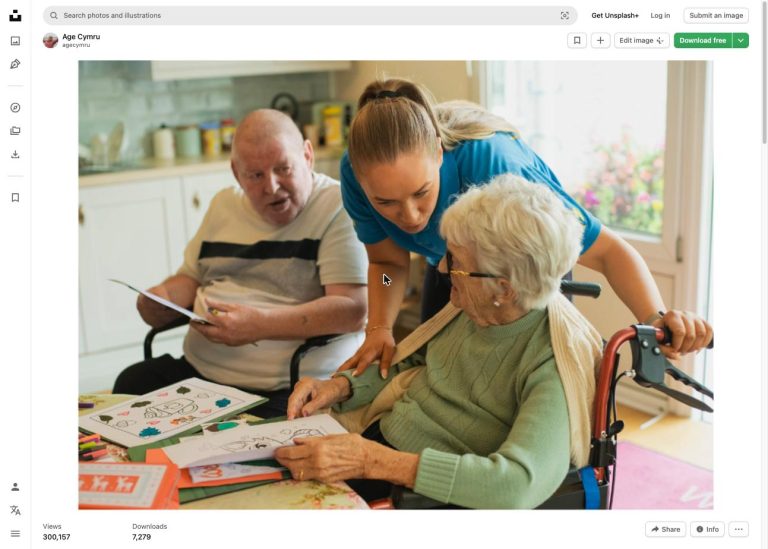
Skin problems in dementia, especially pressure sores, moisture rashes and skin tears, are common but often preventable. As your loved one moves less, drinks less and becomes less able to say “that hurts,” skin breaks down more easily. A daily skin check, changing position at least every two hours, keeping skin clean and dry, and good fluids and nutrition protect it.
This guide explains why aging skin becomes fragile with dementia, how to spot early pressure damage, a simple daily routine, extra steps for Florida’s heat and humidity, and when a skin change needs a doctor or nurse.
Table of contents
Why skin becomes more vulnerable with dementia
Aging skin is thinner, drier and slower to heal. Dementia adds several pressures at once. Your loved one may sit or lie in one position for hours without shifting. They may forget to drink, leaving skin dry and less resilient. Incontinence keeps skin damp. And because dementia affects communication, they may not tell you a chair is hurting their back or their heel is sore.
The Mayo Clinic lists the main risk factors for pressure sores: limited mobility, incontinence, reduced sensation, poor nutrition and hydration, conditions that affect blood flow such as diabetes, and being over 70. Many people living with dementia have several of these.
The most common skin problems
- Pressure sores (also called bedsores or pressure injuries): damage to skin and tissue from prolonged pressure that reduces blood flow.
- Moisture damage: redness and soreness from urine, stool or sweat staying on the skin.
- Rashes in skin folds: under the breasts, in the groin or under the belly, especially in heat.
- Skin tears and bruises: thin skin can tear with a bump or a rough transfer.
- Dry, itchy skin: which can lead to scratching and small wounds.
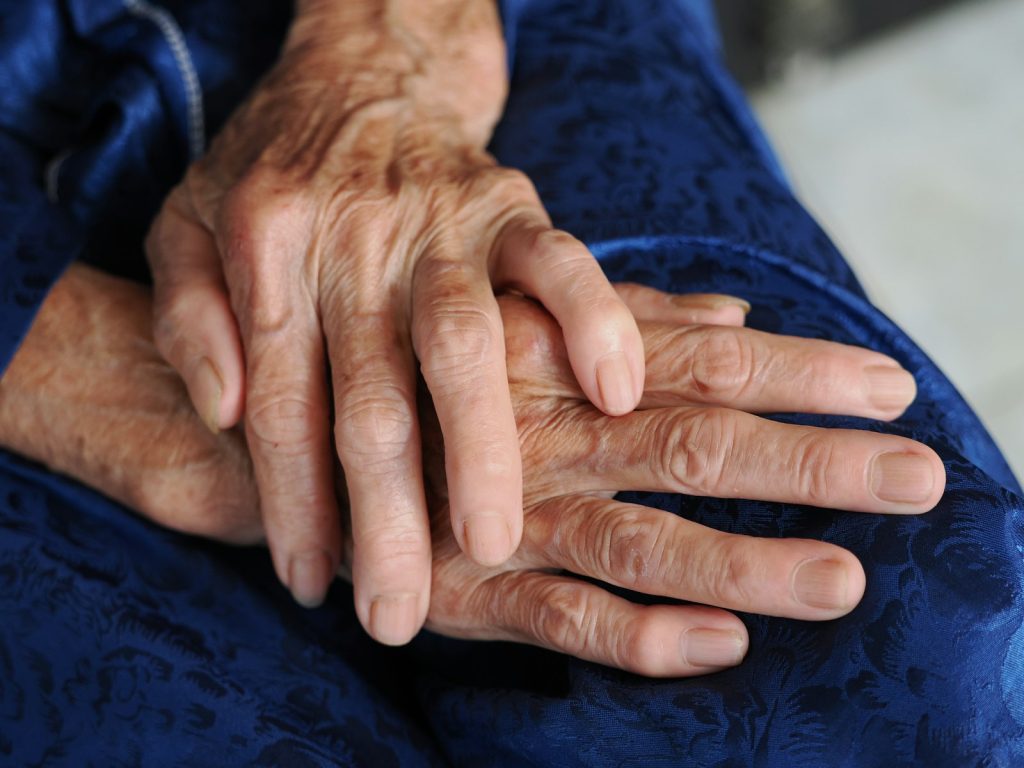
Watching for pressure sores
Pressure sores form where the body presses against a surface for too long, usually over bone. According to the Mayo Clinic, people who are mostly in bed often get them on the back or sides of the head, shoulder blades, hips, lower back or tailbone, heels, ankles and behind the knees. People who spend most of the day in a chair or wheelchair get them on the tailbone or buttocks, shoulder blades and spine, and the backs of arms and legs.
Early warning signs
Look for changes in skin color or texture, swelling, a sore or tender spot, or an area that feels warmer or cooler than the skin around it. On darker skin, redness can be hard to see, so feel for warmth, coolness, firmness or a spongy texture too.
Pressure sores are grouped into stages by depth, from unbroken, discolored skin to deep wounds that reach muscle and bone. The earlier you catch one, the easier it is to stop.
A daily skin check for skin problems in dementia
A quick head-to-toe check during bathing or dressing takes a few minutes and catches problems early. Use this table as a guide.
| Area | What to look and feel for | How to protect it |
|---|---|---|
| Tailbone and buttocks | Redness, warmth, broken skin, moisture | Change position often, barrier cream, change briefs promptly |
| Heels and ankles | Redness, a firm or blistered spot | A pillow under the calves so heels float, soft socks |
| Hips and shoulder blades | Discoloration, tenderness when touched | Alternate sides in bed, pillows between knees |
| Skin folds and groin | Redness, a damp rash, odor | Wash, pat completely dry, light breathable clothing |
| Arms and shins | Bruises, skin tears, very dry patches | Gentle transfers, padding on chair arms, fragrance-free lotion |
| Back of the head and ears | Redness from pillows or oxygen tubing | Soft pillowcase, gentle repositioning of the head |
Simple daily habits that protect the skin
- Change position at least every two hours. Both the Mayo Clinic and the Alzheimer’s Association recommend repositioning at least every two hours for someone who cannot move much on their own. Encourage short walks or standing breaks if your loved one can.
- Keep skin clean and dry. After incontinence or sweating, cleanse gently with warm water or a mild cleanser, pat dry, and apply a moisture barrier cream.
- Moisturize dry skin with a fragrance-free lotion, but never rub hard over a red spot.
- Use the right support. Pressure-relieving cushions and mattresses spread weight. The Mayo Clinic advises against doughnut-shaped cushions.
- Keep the head of the bed low. Raising it above 30 degrees can cause sliding and shearing, according to the Mayo Clinic.
- Lift, don’t drag. Use a draw sheet to move your loved one up in bed so skin does not scrape.
- Dress for comfort. Soft, breathable fabrics; no tight elastic, bulky seams or wrinkled sheets.
- Support fluids and protein. Skin holds up and heals better with enough to drink and good nutrition.
Incontinence and skin
Moisture is one of the biggest causes of skin breakdown. Prompt changes, gentle cleansing and a barrier cream go a long way. Our guide to incontinence care covers routines and products.
Pain your loved one cannot describe
A sore heel or hip may show up as restlessness, grimacing or refusing to sit. Learn the nonverbal signs in our post on recognizing pain in dementia.
Bathing and personal care without skin breakdown
Bathing is when you see the most skin, and also when fragile skin is easiest to damage. A few adjustments protect it.
- Warm, not hot. The Alzheimer’s Association advises always checking water temperature yourself, since a person with dementia may not notice when it is too hot.
- Mild cleansers. Use a gentle, fragrance-free cleanser and rinse well.
- Pat, don’t rub. Dry carefully between toes and in skin folds.
- Look while you wash. Bath time is a natural moment for the daily skin check.
- Moisturize afterward while skin is still slightly damp, avoiding any reddened spot.
- Consider sponge baths between full baths if bathing is stressful or tiring.
Our guide to bathing and dementia covers routines that reduce resistance.
Equipment worth asking about
If your loved one sits or lies down for long stretches, ask the doctor, nurse or an occupational therapist which equipment fits their needs. Common options include pressure-relieving seat cushions, pressure-redistributing mattresses or overlays, heel protectors, draw sheets for repositioning, and padded covers for wheelchair arms and bed rails. The right equipment is part of preventing pressure sores, not a substitute for movement and regular checks.
Why fluids and food matter for skin
Poor nutrition and hydration are listed by the Mayo Clinic among the risk factors for pressure sores. Skin that is well fed and well hydrated stays more elastic and heals better. If your loved one is eating less, losing weight or having trouble swallowing, tell the doctor. A dietitian or speech-language pathologist may help, and our guide to dysphagia and dementia explains swallowing changes.
The Florida factor: heat, humidity and sweat
Our climate adds a layer of challenge. Warm, humid days mean more sweating, and moisture trapped in skin folds can quickly lead to redness and rashes. The CDC notes that older adults adjust less well to sudden temperature changes and may take medicines that affect how the body handles heat.
- Keep your loved one in a cool, well-ventilated room.
- Choose light, loose cotton clothing and change damp clothes promptly.
- Check and dry skin folds every day.
- Offer water often; dehydrated skin is more fragile. See our guide to hydration in Florida’s summer.
- Plan for power outages during hurricane season, when air conditioning may fail. Our hurricane preparedness guide can help.
When skin problems in dementia need a doctor or nurse
The Mayo Clinic advises relieving pressure on any warning area and contacting a health professional if it does not improve within 24 to 48 hours. Seek care right away for signs of infection: fever, drainage from a sore, a foul smell, or warmth and swelling around it.
Also call if you see an open sore, blister or skin tear that is not healing. A doctor may order home health nursing for wound care. Our companions are not nurses and do not treat wounds, but they work well alongside a home health nurse. Our companion care vs. home health care comparison explains who does what. This article is general information, not medical advice.
Skin care in late-stage dementia
In the final stage, when your loved one spends most of the day in bed, skin care becomes central to comfort. Families facing feeding decisions should know that the American Geriatrics Society notes that tube feeding can make pressure ulcers worse in advanced dementia. Our guide to late-stage dementia care covers comfort more broadly.
Example: a skin-safe routine in Naples
This is an illustrative scenario, not a real client story. A wife in Naples cares for her husband, who has advanced vascular dementia and spends most of the day in a recliner. A home health nurse visits after a small red area appears on his tailbone.
The nurse shows the family a turning schedule and a pressure-relieving cushion. On weekday afternoons, a companion encourages him to get up and walk to the lanai every couple of hours, offers iced water, and reminds him to change into a dry shirt when he gets sweaty. She notes in her visit summary that his heels look pink after the recliner. The wife tells the nurse, who suggests a pillow under his calves. Within days, the reddened areas fade.
Frequently asked questions
Why is skin breakdown common in dementia?
People with dementia often move less, drink less, have incontinence and cannot report discomfort. These are the main risk factors for pressure sores and moisture damage, so skin breakdown and pressure sores develop more easily without daily attention.
How often should someone with dementia be repositioned?
At least every two hours for someone who cannot change position on their own, according to the Mayo Clinic and the Alzheimer’s Association. Ask the doctor or nurse whether your loved one needs a more frequent schedule.
What does an early pressure sore look like?
Usually a patch of skin that looks red or discolored, feels warmer or cooler than nearby skin, or feels firm or tender. On darker skin, redness can be hard to see, so feel the area too. Relieve pressure right away.
When should I worry about a red spot?
If it has not improved within 24 to 48 hours after relieving pressure, call a health professional. Get care right away for fever, drainage, a foul smell, or warmth and swelling around a sore.
Do barrier creams prevent pressure sores?
Barrier creams protect skin from urine, stool and sweat, which helps prevent moisture damage. They do not relieve pressure, though. Regular position changes, good cushions or mattresses, and daily skin checks are what prevent pressure sores. Use both together, as the care team suggests.
Still have questions?
Talk it through with us. A free call about your family's situation, with no obligation.
Call (689) 333-6079Send us a message- Screened for dementia care experience
- Florida ADRD training before the first visit
Conclusion
Skin problems in dementia are quiet but serious, and many can be prevented. A daily skin check, regular position changes, clean and dry skin, and good fluids are the core of prevention.
In Florida’s heat, pay extra attention to sweat, skin folds and hydration, and call the doctor early when a spot does not fade. Small, steady habits, repeated every day by everyone who helps, protect your loved one’s comfort and dignity.
Steady hands and watchful eyes make prevention easier. Get 3 free caregiver profiles within 48 hours, call (689) 333-6079, or learn about our in-home support.
Someone to notice the small changes
A consistent companion who keeps your loved one moving, hydrated and comfortable.
Want a companion screened for dementia care experience?
We'll send 3-5 caregiver video profiles within 48 hours, so you can watch their video interviews before you decide. $35/hour for 40+ hours a week, no contracts.