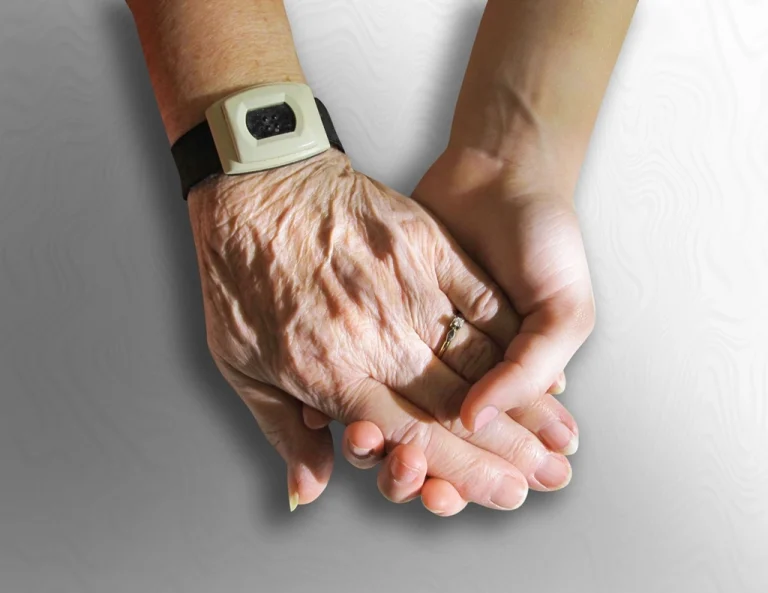
Shadowing in dementia is when your loved one follows you from room to room, calls out as soon as you step away, or becomes anxious whenever you are out of sight. It usually comes from fear and insecurity, not stubbornness. Calm reassurance, a simple task to hold their attention, a steady routine and regular breaks for you can make it easier to live with.
This guide explains why shadowing happens, when it tends to get worse, what to say and do in the moment, how to set up the day so your loved one feels safer, and how to protect your own well-being. Many Florida caregivers describe it as the hardest part of the day, so you are in good company.
Table of contents
Why shadowing in dementia happens
Dementia slowly erodes a person’s sense of time, place and safety.
In a world that feels more confusing every day, you have become the one familiar, reassuring thing. When you leave the room, your loved one may not remember that you will come back, or that you were there a minute ago. What looks like clinginess is usually anxiety: the fear of being alone, lost or forgotten.
The National Institute on Aging lists anxiety or fear among the common behavior changes in Alzheimer’s, and reminds caregivers that the disease, not the person, causes these changes. Seeing shadowing that way can soften the frustration that builds over a long day.

When shadowing tends to get worse
Shadowing often follows a pattern. Common triggers include:
- Late afternoon and evening, alongside sundowning
- A move, a hospital stay or travel
- A change in who provides care
- Houseguests or a noisy household
- Pain, hunger, thirst or needing the bathroom
- Boredom, with nothing to do
The Alzheimer’s Association lists many of these, including changes in caregiver arrangements, as triggers for anxiety and agitation.
What to say and do in the moment
Say where you are going
Slipping away unnoticed can set off panic. A calm “I’m going to the kitchen to make tea. I’ll be right back” works better. Some families use the same phrase every time, so it becomes familiar.
Reassure, do not reason
Explaining that you were only gone for a minute rarely helps. The Alzheimer’s Association suggests calm phrases like “You’re safe here.” The NIA suggests reassuring the person that you are there to help.
Bring them along
Sometimes the easiest answer is company. Invite your loved one to sit at the kitchen counter while you cook or to fold towels while you do laundry.
Leave something comforting
A warm blanket, a photo album, a basket of towels to fold or a favorite song can give a sense of company and purpose while you step away.
Stay in sight
Work at the kitchen table instead of behind a closed door, or leave doors open so your loved one can see or hear you.
Responses that help and responses that backfire
| Instead of | Try |
|---|---|
| Sneaking out of the room | Saying where you are going and when you’ll be back |
| “I told you, I was only gone a minute” | “I’m right here. You’re safe.” |
| Locking yourself away for quiet | Staying within sight with a task for them |
| Showing irritation | A slow breath, a soft voice, a gentle touch |
| Long explanations | Short, warm, repeated phrases |
Setting up the day to ease shadowing
Keep a predictable routine
When the shape of the day is familiar, there is less to feel anxious about. The NIA suggests bathing, dressing and eating at the same times each day. Our guide to creating a calming daily structure shows how.
Plan activities for the hard hours
The Alzheimer’s Association notes that structured, pleasant activities can often reduce agitation and improve mood. Put something engaging, like a walk, music or a simple chore, into the hours when shadowing is worst. See our list of meaningful activities at home.
Use daylight and movement
Time outdoors in natural light and gentle exercise can help with late-day restlessness, according to the Alzheimer’s Association’s sundowning guidance. In Florida, aim for early morning walks before the heat builds. Read more in our sundowning guide.
Meet basic needs first
Check for hunger, thirst, tiredness, pain or a full bladder. A snack or bathroom trip sometimes ends a spell of following.
Leave a familiar sound
A favorite radio station, a recording of your voice or a familiar TV program can make a room feel less empty.
Helping your loved one accept another familiar face
A loved one who shadows often resists anyone new. A gradual introduction helps the new person become safe too.
- Have the companion visit while you are home, doing something pleasant together, such as coffee or music.
- Introduce them warmly and simply: “This is Ana, my friend. She likes old movies too.”
- Step into another room for a few minutes, then come back.
- Stretch the time apart over several visits.
- Keep the same companion, on the same days, at the same times.
Consistency is the key. Our companions are matched one per person for that reason.
Share what works
Tell the companion your loved one’s favorite topics, the phrase you use when you leave the room, and what tends to calm them. Brief notes after each visit help you see how the time apart is going.
Example: a morning in Kendall
This is an illustrative example, not a real client story.
A daughter caring for her mother cannot shower without her mother knocking on the door within minutes. She starts saying the same sentence each time (“I’m taking a shower. I’ll be out in ten minutes.”) and leaves her mother in the kitchen with coffee and a photo album of family weddings.
She also arranges a companion three mornings a week. On those mornings she showers, makes calls and runs errands. Her mother looks forward to the same friendly face, and the knocking on the door becomes less frequent.
Protecting your own well-being
Being needed every minute is exhausting. It is normal to feel touched out, irritable or guilty for wanting space. These feelings do not make you a bad caregiver.
Build in small pockets of relief: a few minutes on the porch, a phone call with a friend, a task in another room while your loved one is settled with something they enjoy. Then plan bigger breaks. Regular respite care gives you hours, not minutes. If you are running on empty, our caregiver burnout check and our post on recognizing burnout can help.
When to call the doctor
Talk with your loved one’s doctor if shadowing starts suddenly, gets much worse quickly or comes with other changes like new confusion, pain, poor sleep or fear. The NIA advises that sudden or rapidly changing behavior, especially after an infection or new medicine, should be brought to a doctor’s attention immediately. Pain, infection and medicine side effects can all heighten anxiety. This article is general information, not medical advice.
Frequently asked questions
Why does my mother with dementia follow me everywhere?
You are likely her main source of safety. When you leave her sight, she may not remember you are coming back and feels anxious or afraid. Calm reassurance and a comforting activity often help.
Is shadowing a sign that dementia is getting worse?
It can appear or increase as dementia progresses, but it also flares with changes like travel, illness, new caregivers or a busy house. Sudden changes should be checked by a doctor.
How do I get a break from a loved one who shadows me?
Start with short breaks while they are engaged in a familiar task, then add regular respite. A consistent companion becomes another familiar face, so your loved one feels safe while you are away.
What should I say when I leave the room?
Use a short, calm, repeated phrase that says where you are going and that you will be back, such as I’m going to the kitchen. I’ll be right back.
Does a new caregiver make shadowing worse?
A change in caregivers can increase anxiety at first. Choosing one consistent companion and introducing them gradually, with you present, usually helps the person settle.
Still have questions?
Talk it through with us. A free call about your family's situation, with no obligation.
Call (689) 333-6079Send us a message- Screened for dementia care experience
- Florida ADRD training before the first visit
Conclusion
Shadowing in dementia comes from fear, not stubbornness. Tell your loved one where you are going, reassure rather than reason, keep the day predictable and leave comforting things to do.
Just as important, build in breaks for yourself before you run out of patience.
If a familiar companion would give you room to breathe, get 3 free caregiver profiles within 48 hours or call (689) 333-6079. Families choose who meets their loved one, and a free rematch is available if the fit is wrong. Learn about our dementia companion care.
Want a companion screened for dementia care experience?
We'll send 3-5 caregiver video profiles within 48 hours, so you can watch their video interviews before you decide. $35/hour for 40+ hours a week, no contracts.