The holidays can be easier for a loved one with dementia when you keep gatherings small and short, protect daily routines, prepare guests ahead of time, create a quiet retreat space and plan activities around familiar music, food and photos. Lowering expectations is not a loss; a calm afternoon and one shared song can be a successful celebration.
This guide to dementia and the holidays gives Florida families practical steps for the season: preparing relatives and snowbird visitors, decorating without confusion, managing meals, visiting a loved one in memory care, traveling, and making sure the main caregiver gets a break too.
Table of contents
Why the holidays can be hard with dementia
Holidays bring the things dementia struggles with most: crowds, noise, changes in routine, late nights, unfamiliar food and places, and people expecting to be remembered. A busy house can feel overwhelming to someone who is working hard just to follow what is happening.
Late-day restlessness, often called sundowning, can be worse when the day has been long and stimulating. Unfamiliar places and lack of sleep can also contribute to confusion; the Mayo Clinic notes that delirium tends to be worse at night and in unfamiliar settings. If confusion changes suddenly during the holidays, call the doctor rather than blaming the festivities.
Dementia and the holidays: adjust your expectations, not your love
Perhaps the most freeing thing you can do is let go of how the holidays used to be. Your loved one may not remember traditions, follow long conversations, or sit through a three-hour dinner, and that is okay. Success might mean a calm hour, a smile over a familiar dessert, or holding hands during a carol.
Planning the holidays: a simple timeline
| When | What to do |
|---|---|
| Three to four weeks before | Decide which events matter most and drop the rest. Book respite help for the busiest days. |
| Two weeks before | Send relatives a short update on what has changed and how to help. Start decorating gradually. |
| One week before | Plan the menu around foods your loved one can eat easily. Set up a quiet room. |
| The day before | Keep the routine normal. Lay out clothes and anything needed for the day. |
| The day itself | Schedule the main event at your loved one’s best time of day. Keep it short. Have an exit plan. |
| The days after | Expect some tiredness. Protect sleep and routine, and give yourself a rest day too. |
Choose your loved one’s best time of day
Many people with dementia are brightest in the morning or early afternoon. A holiday brunch or a 1 p.m. meal may go much better than a late dinner. Let the timing fit your loved one rather than tradition.
Prepare family and holiday guests
Relatives who have not visited since last year, including snowbird friends and out-of-state family, may be surprised by changes. A short message before they arrive helps everyone connect rather than correct.
- Explain what has changed and what to expect.
- Ask guests to say their name and relationship (“Hi Mom, it’s Sarah, your daughter”) instead of asking “Do you remember me?”
- Encourage one or two people at a time to visit in a quiet room.
- Suggest guests join a simple activity rather than relying on conversation alone.
- Ask them not to correct mistaken memories; go along with the story.
- Prepare children with a simple explanation of dementia.
Our guide to helping grandchildren understand dementia has age-appropriate words. If siblings are visiting, the holidays can be a good moment to share caregiving tasks; see our tips on talking to siblings about care.
When your loved one does not recognize family
It can be painful when a parent does not recognize a grandchild or calls a son by his father’s name. Reassure the family member that this is the disease, not a lack of love. Our post on coping with not being remembered may help relatives prepare.
Create a calm, familiar holiday home
Big changes to the house can be disorienting. You can keep the festive spirit while dialing down the overwhelm.
- Decorate gradually over several days rather than transforming the house overnight.
- Skip blinking lights, loud animated figures and decorations that look like food, such as fake fruit or candy.
- Keep furniture where it usually is, and keep paths clear to reduce falls.
- Use battery candles instead of real flames.
- Set aside a quiet room with a comfortable chair, soft lighting and familiar music.
- Keep exits in mind: busy gatherings, open doors and distracted adults can raise wandering risk.
Our wandering guide explains how to keep doors safe when the house is full. In Florida’s mild winter, a shaded porch or lanai can be a perfect calm corner away from the crowd.
Food, drinks and holiday meals
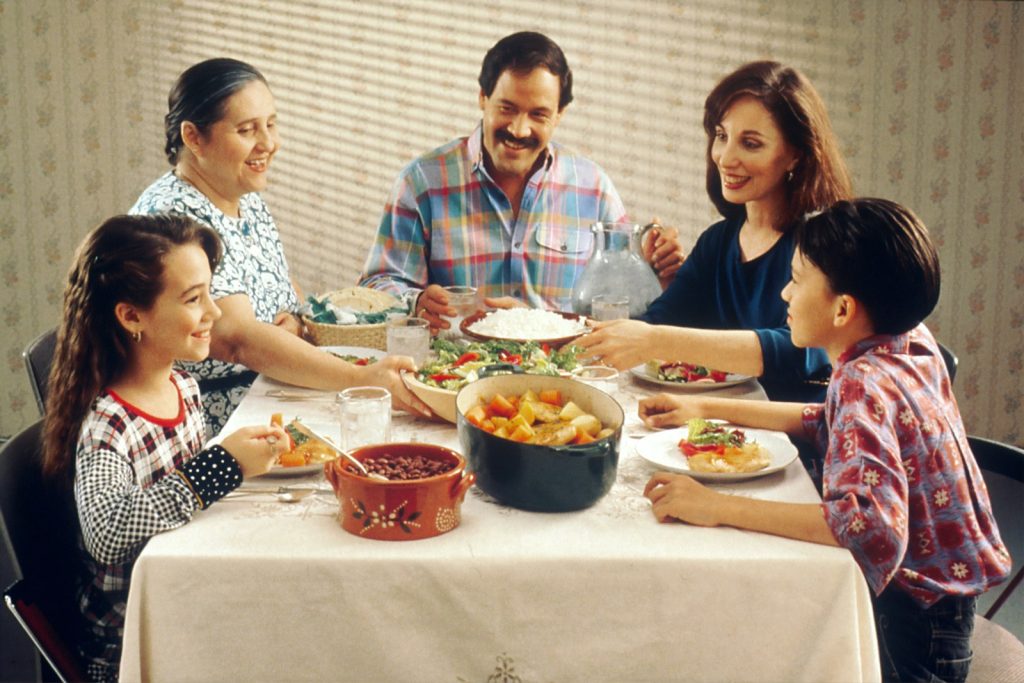
Holiday meals can be long, loud and full of unfamiliar or hard-to-eat foods. A few changes help your loved one enjoy the table.
- Seat your loved one at the end of the table, next to someone calm and familiar.
- Serve a small plate with one or two foods at a time.
- Include familiar favorites, adjusted for any chewing or swallowing needs.
- Let them leave the table when they are ready.
- Ask the doctor or pharmacist whether alcohol is safe with their medicines, and offer festive non-alcoholic options.
Our post on mealtime struggles has more ideas.
Meaningful, low-pressure holiday activities
Connection rarely comes from doing everything. It comes from doing a few things well, through the senses and long-held memories.
- Play music from your loved one’s younger years: carols, hymns, or the songs they danced to. See using music to connect.
- Look through old photo albums and let stories flow without correcting details.
- Involve them in simple tasks: stirring batter, arranging flowers, folding napkins, wrapping a box.
- Take a short drive to see neighborhood lights before dark.
- Attend a short, familiar religious service, or watch one together at home.
Find more ideas in our list of dementia activities.
Gift ideas that fit
Practical, comforting gifts tend to work best: a soft blanket, a labeled photo book, a simple music player loaded with favorite songs, comfortable clothing that is easy to put on, or a favorite treat. For the caregiver, the best gift is often time: a few hours of help.
Different celebrations, different challenges
Each holiday brings its own pressures. Thinking ahead about the specific ones your family celebrates helps you plan.
- Thanksgiving: long meals, a loud TV and a crowded kitchen. Offer a seat away from the noise and a short role, such as setting out napkins.
- Hanukkah and Advent candles: keep open flames supervised and out of reach, or use electric candles while your loved one watches the lighting.
- Christmas Eve and Christmas: late services and long evenings can collide with sundowning. Consider an earlier service or a recorded one at home.
- New Year’s Eve: fireworks and late-night noise are common across Florida neighborhoods. Close windows, play calming music, and keep the bedtime routine as normal as possible.
- Family traditions: whether it is a holiday drive, a dance, or a favorite recipe, keep the part your loved one enjoys and let the rest go.
If your loved one lives alone
The holidays can be the time relatives first notice that a parent living alone is struggling: unopened mail, spoiled food, missed medicines or a confused phone call. If you are visiting, look gently and make notes rather than confronting your loved one at the dinner table. Afterward, talk with siblings about next steps. Our page on dementia care for people living alone explains options, from daily check-ins to regular companion visits.
After the guests leave
Many people with dementia are tired and unsettled for a day or two after a big event. Keep the following days quiet, return to normal meal and sleep times, and take decorations down gradually, just as you put them up. Write down what worked and what did not, so next year’s plan is easier.
Visiting a loved one in memory care or traveling
If your loved one lives in memory care, a calm visit at the community may work better than bringing them home for a big event. Join the community’s holiday activity, bring a small treat, and keep the visit short. If you do bring them home, plan an early return before they tire.
Traveling during the holidays is especially tiring. Airports and long drives can be confusing. If travel is planned, read our guide to traveling with a loved one who has dementia.
Example: a Nochebuena evening in Miami
This is an illustrative scenario, not a real client story. A family in Miami traditionally hosts a large Christmas Eve dinner that runs past midnight. This year, the grandmother, who has moderate Alzheimer’s, becomes restless after about 5 p.m.
The family moves the main gathering to 2 p.m. Her companion arrives at noon, helps her dress in a favorite blouse, and sits with her in a quiet bedroom where relatives visit two at a time. They play the boleros she loves. After a small plate of familiar food and dessert, the companion helps her rest while the party continues outside. Her daughter, who usually hosts, gets to enjoy the meal for the first time in years.
Care for yourself this holiday season
The holidays pile new pressure onto an already full plate. The Alzheimer’s Association reports that 59% of dementia caregivers rate their emotional stress as high or very high. You do not have to be perfect.
Accept help and be specific: “Could you sit with Dad from 2 to 4 on Saturday?” works better than “Let me know if you need anything.” Consider scheduled dementia respite care for shopping, rest or a service of your own. Florida’s Alzheimer’s Disease Initiative also funds respite and caregiver support through local Area Agencies on Aging; the Elder Helpline at 1-800-963-5337 can connect you.
Frequently asked questions
Should we skip the holidays this year?
Not necessarily. Most families do better scaling down than canceling. A shorter, quieter celebration at your loved one’s best time of day keeps the connection without the overwhelm.
How do I tell relatives about the changes?
Send a short, kind message before the visit explaining what has changed, what helps and what to avoid, such as quizzing your loved one. Most relatives appreciate knowing what to expect.
Is it okay to bring my loved one home from memory care for the holidays?
Sometimes. Consider how they handle outings, how long the trip is and how they settle afterward. A short visit at the community, or a brief outing with an early return, is often gentler.
What if my loved one becomes upset during a gathering?
Move with them to the quiet room, lower the noise, offer a drink or a familiar song, and reassure them. Leaving early is a perfectly good plan.
Where can I get advice during the holidays?
The Alzheimer’s Association‘s free Helpline is available 24 hours a day at 800-272-3900, including holidays.
Still have questions?
Talk it through with us. A free call about your family's situation, with no obligation.
Call (689) 333-6079Send us a message- Screened for dementia care experience
- Florida ADRD training before the first visit
Conclusion
The holidays with dementia ask us to measure joy differently: not by how much we do, but by small, real moments of connection.
Keep it short, quiet and familiar, prepare your guests, and protect your own rest. The traditions that matter most are the people around the table, and your loved one can still feel that warmth.
If a few hours of help would make the season easier, get 3 free caregiver profiles within 48 hours or call (689) 333-6079. Our companions can join your celebration or stay home with your loved one while you go out. Learn more about respite visits.
A calmer holiday for everyone
A consistent companion for the busiest days of the season, $35 an hour for 40+ hours a week, no contract.
Want a companion screened for dementia care experience?
We'll send 3-5 caregiver video profiles within 48 hours, so you can watch their video interviews before you decide. $35/hour for 40+ hours a week, no contracts.