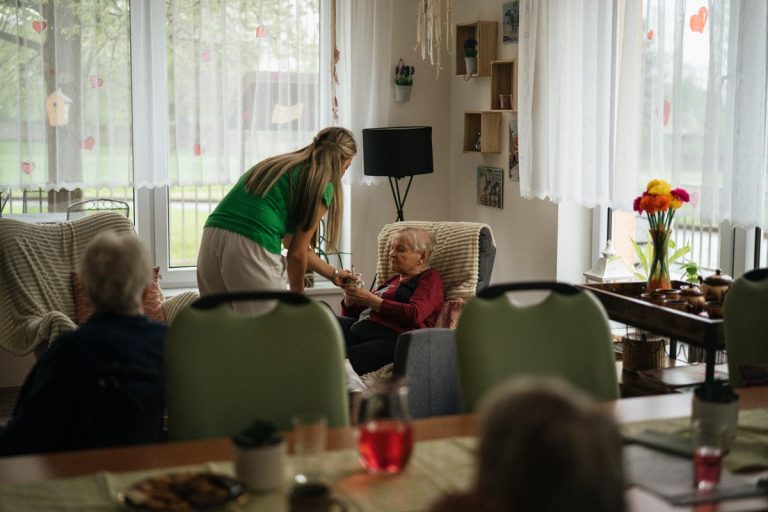
Table of contents
- What respite care is, and why it matters so much in dementia
- The main types of respite care for dementia
- Respite care costs in Florida at a glance
- Who pays for respite care in Florida
- How to set up respite that works
- How a consistent companion helps
- Watch a caregiver before you choose
- Frequently asked questions
- Sources
- Choosing in-home dementia care in Florida
Respite care for dementia gives the family caregiver a planned break while someone else looks after the person living with dementia, for a few hours, a full day, a night or a short stay. In Florida, the main options are in-home respite, adult day programs, short stays in assisted living or memory care, overnight help at home and hospice respite. Medicare pays only for hospice respite, so most families combine private pay with state programs, Medicaid or VA benefits.
If you are the spouse or adult child doing most of the caring, you know how full the days get. Below are the types of respite, Florida costs and who can help pay. If the harder part right now is permission to take a break at all, our post on respite care without guilt is a good place to start.
What respite care is, and why it matters so much in dementia
The Alzheimer’s Association describes respite care as a temporary rest from caregiving while the person with Alzheimer’s continues to receive care in a safe environment. The National Institute on Aging adds that it can last anywhere from a few hours to several weeks, and can happen at home, in a health care facility or at an adult day center.
Dementia caregiving is heavy work, and the numbers show it. According to the Alzheimer’s Association, nearly 13 million Americans provide unpaid care for a family member or friend with dementia, and in 2025 they gave more than 19 billion hours of care. Fifty-nine percent of dementia caregivers report high to very high emotional stress, and about 30% of caregivers are 65 or older themselves.
Breaks help. In a peer-reviewed study of 17 family caregivers in BMC Geriatrics, families whose relative attended a dementia day program described a feeling of freedom and more time for their own needs, for work and for errands done undisturbed. The researchers also saw a possible positive effect on the relationship between the caregiver and the person with dementia.
The main types of respite care for dementia
Most families end up using two or three types at different times, as the disease progresses and needs change.
In-home respite: a companion or aide at home
A paid companion or aide comes to the house for a few hours, a full day or overnight. The Alzheimer’s Association lists the kinds of help available at home: companion services with company and supervised activities, personal care with bathing, dressing and toileting, homemaker help with laundry, shopping and meals, and skilled care for medication and medical needs. Familiar rooms and routines are often the least upsetting option. Our in-home dementia respite care page explains how we set this up in Florida.
Adult day programs
Adult day centers give the person with dementia a place to be with others in a safe setting during the day. The Alzheimer’s Association notes that staff lead planned activities, such as music and art, and that transportation and meals are often provided. They suit caregivers who work or who need a regular block of daytime hours. Read more in our guide to adult day programs for dementia, or see how they compare in adult day care vs in-home respite.
Short stays in assisted living or memory care
Some long-term care communities offer stays of a night, a few days or a few weeks. The Alzheimer’s Association says this lets caregivers take an extended break or a trip while the person stays in a supervised setting, and that the cost varies and is usually not covered by insurance or Medicare. Ask each community early about availability and what they need before a stay.
Overnight respite
Sundowning, wandering and repeated waking can leave a spouse running on very little sleep. Overnight respite can mean a companion who stays awake in your home through the night, or a short stay in a care community. If nights are the main problem, our article on overnight care for dementia in Florida goes into more detail.
Hospice respite
If the person with dementia is enrolled in Medicare hospice, the hospice can arrange inpatient respite care in a Medicare-approved facility, such as a hospice inpatient facility, hospital or nursing home. Medicare’s hospice handbook says the person can stay up to 5 days each time, and respite can be used more than once, but only on an occasional basis.
Respite care costs in Florida at a glance
The figures below are Florida medians from the CareScout Cost of Care Survey 2025, collected from July through November 2025. Individual providers charge differently, so treat these as a starting point.
| Type | What it looks like | Good for | Typical cost in Florida |
|---|---|---|---|
| In-home respite | A companion or aide at home for a few hours, a day or a night | Keeping familiar surroundings, errands, appointments, regular weekly breaks | $32 an hour (median for a non-medical caregiver) |
| Adult day program | A daytime center with activities, meals and often transportation | Working caregivers, people who enjoy company and a structured day | $75 a day (median for adult day health care) |
| Short stay in assisted living or memory care | A furnished room for a few nights or a few weeks | Trips, surgery or a longer rest for the caregiver | Varies by community. For reference, the Florida median for assisted living is $5,610 a month |
| Overnight respite | An awake companion at home overnight, or a night in a care community | Sundowning, night waking, a caregiver who needs sleep | Varies. At home it is usually billed by the hour |
| Hospice respite | Inpatient stay arranged by the hospice team, up to 5 days at a time | Families already on Medicare hospice | Covered by Medicare hospice. You may pay 5% of the Medicare-approved amount |
For a fuller picture of dementia care costs across the state, see our breakdown of the cost of dementia care in Florida.
Who pays for respite care in Florida
Medicare
Medicare pays for respite only inside the hospice benefit. Medicare.gov says you may pay 5% of the Medicare-approved amount for inpatient respite care, and that copayment can’t be more than the inpatient deductible. Outside hospice, Medicare.gov is direct: Medicare doesn’t pay for long-term care, also called custodial care, which covers help with everyday tasks like bathing and dressing. That means ongoing in-home respite, adult day and short stays are not Medicare benefits.
Alzheimer’s Disease Initiative (ADI)
Florida’s Department of Elder Affairs runs the Alzheimer’s Disease Initiative, set up by law in 1985. ADI offers respite for adults 18 and older with a diagnosis of probable Alzheimer’s disease or a related dementia. Respite can be in-home care, facility-based care, emergency respite and extended care up to 30 days. ADI also offers case management, caregiver counseling and support groups. Services are delivered through Florida’s 11 Area Agencies on Aging.
Community Care for the Elderly and Home Care for the Elderly
Community Care for the Elderly (CCE) serves Floridians 60 and older who are functionally impaired, as assessed by the program. Its list of services includes respite, adult day care, companionship, personal care and homemaker help. Home Care for the Elderly (HCE) supports people 60 and older who live at home with an approved adult caregiver and meet income and asset limits. It pays a basic subsidy of $160 a month, with special subsidies for some needs.
Statewide Medicaid Managed Care Long-Term Care
Florida’s SMMC Long-Term Care program is for people 65 and older who qualify for Medicaid, or 18 and older and Medicaid eligible because of a disability, who are assessed as needing nursing home level of care. Every plan must offer respite care, adult companion, adult day care and personal care, among other services. Elder Affairs notes there is a waitlist, managed through your local Aging and Disability Resource Center.
Your Area Agency on Aging and the Elder Helpline
The simplest first step for any of these programs is to call the Florida Elder Helpline at 1-800-963-5337 (1-800-96-ELDER). It connects you to your local Aging and Disability Resource Center, which screens for ADI, CCE, HCE and the Medicaid waitlist. Our Florida dementia resources page lists more local contacts.
VA respite care for veterans
VA Respite Care pays for a person to come to a veteran’s home, for adult day health care, or for a short nursing home stay while the family caregiver takes a break. All enrolled veterans are eligible if they meet the clinical criteria and the service is available locally, and a copay may apply. Family caregivers enrolled in the VA’s Program of Comprehensive Assistance for Family Caregivers can get at least 30 days of respite a year. See our page on dementia care for veterans.
Other help
The Alzheimer’s Association suggests looking into scholarships, sliding scale fees and government programs, and contacting your local chapter about financial help. The National Institute on Aging notes that most private health insurance does not cover respite, though some long-term care insurance policies do, so check any policy you have. The ARCH National Respite Locator can also help you find local respite services.
How to set up respite that works
The Alzheimer’s Association advises trying respite providers in a non-emergency situation, so you are ready if the need arises. These steps make that easier:
- Start small. Begin with a 3 or 4 hour visit once a week, then add time as your loved one settles.
- Keep the same person. Ask for one regular companion, so the face at the door becomes familiar.
- Write a routine sheet. Include wake and meal times, favorite foods, music and topics, words that calm, what tends to upset, and a current medication list with doses.
- Do a trial run while you are home. Stay in another room or step out for an hour the first time.
- Book before you are exhausted. Put respite on the calendar now, not after a crisis.
- Have an emergency backup. Keep contacts for the medical team and one or two people who could step in at short notice.
Not sure how many hours to start with? Our guide to how many hours of care dementia needs can help you size it.
How a consistent companion helps
For many people with dementia, a change in faces is harder than a change in place. A consistent companion with dementia care experience becomes someone familiar who keeps the day’s routine, offers company and conversation, helps with meals and gentle activity, and keeps watch so you can rest. Our care is non-medical. Rates start at $35 an hour, minimum 25 hours a week, and live-in care starts from $375 a day. Call (689) 333-6079 to talk through a respite schedule, and we can send 3 caregiver video profiles within 48 hours.
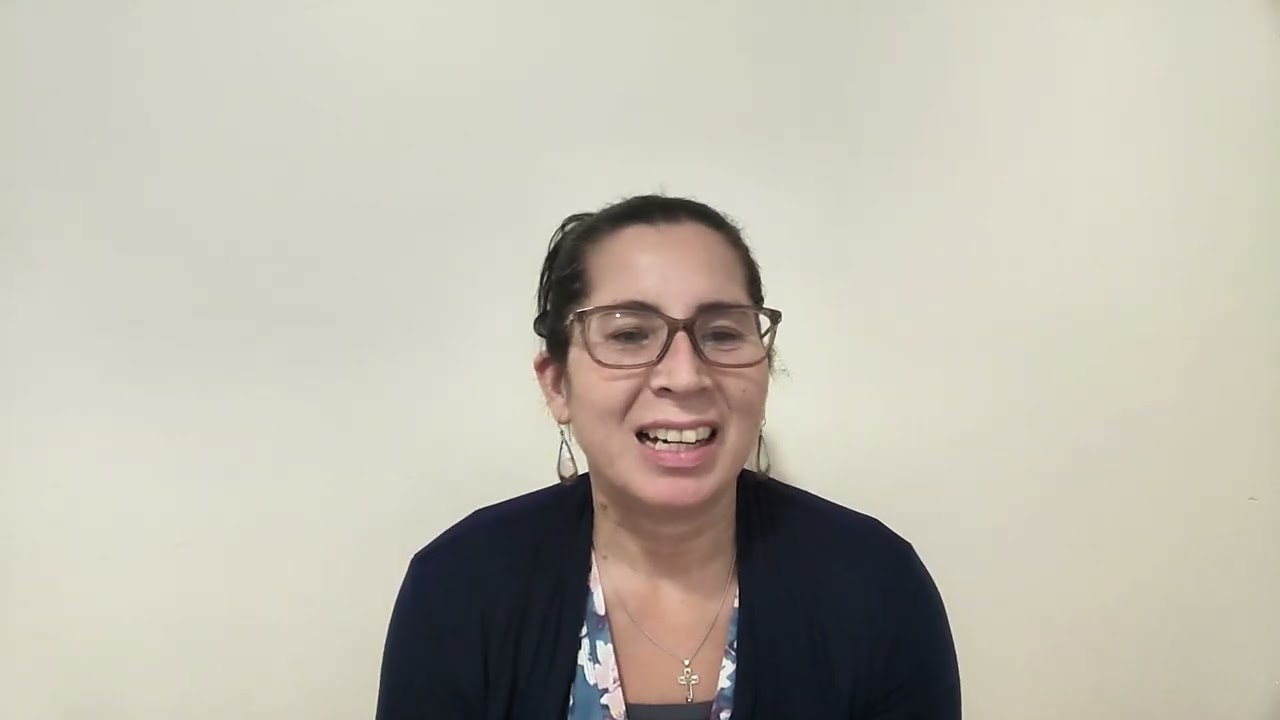
Watch a caregiver before you choose
Families watch video interviews like these and choose their companion. No one is sent to your parent's home until you have watched them and said yes.


Frequently asked questions
Does Medicare pay for respite care for dementia patients?
Only if the person is enrolled in Medicare hospice. The hospice can arrange inpatient respite in a Medicare-approved facility for up to 5 days at a time, used occasionally, and you may pay 5% of the Medicare-approved amount. Medicare does not pay for ongoing respite or custodial care, such as a weekly companion or an adult day program, for people who are not on hospice.
Does Medicare pay for respite care at home?
No. Medicare does not cover in-home respite from a companion or aide, because it counts as custodial, non-medical care. Medicare hospice respite happens as a short inpatient stay, not at home. For help at home, look at Florida’s Alzheimer’s Disease Initiative, Community Care for the Elderly, the Medicaid Long-Term Care program or VA respite if the person is a veteran. Call 1-800-963-5337 to be screened.
Does Florida Medicaid pay for respite care?
Yes, through the Statewide Medicaid Managed Care Long-Term Care program. Every plan must offer respite care, along with adult companion and adult day care. To qualify, the person must be Medicaid eligible, 65 or older or disabled and 18 or older, and assessed as needing nursing home level of care. There is a waitlist, managed by your local Aging and Disability Resource Center through the Elder Helpline.
How much does overnight respite care cost?
It varies, and no Florida survey reports a separate overnight rate. At home, overnight respite is usually billed by the hour, and the CareScout 2025 Florida median for a non-medical caregiver is $32 an hour. A short stay in a care community is priced by each community. Ask whether the companion stays awake all night, and whether there is a minimum number of hours per visit.
What is temporary care for dementia patients?
Temporary care for a person with dementia is usually called respite care. It covers short-term arrangements that give the family caregiver a break: a companion at home for a few hours, an adult day program, an overnight sitter or a stay of a few days or weeks in a care community. The National Institute on Aging says respite can last from a few hours to several weeks.
Still have questions?
Talk it through with us. A free call about your family's situation, with no obligation.
Call (689) 333-6079- Screened for dementia care experience
- Florida ADRD training before the first visit
Sources
- Alzheimer’s Association: Respite Care
- Alzheimer’s Association: Alzheimer’s Disease Facts and Figures
- National Institute on Aging: What Is Respite Care?
- Tretteteig S, Vatne S, Rokstad AMM. The influence of day care centres designed for people with dementia on family caregivers: a qualitative study. BMC Geriatrics. 2017;17:5
- Medicare.gov: Hospice care
- Medicare.gov: Medicare Hospice Benefits (PDF)
- Medicare.gov: Long-term care
- CareScout: Cost of Care Survey 2025, Median Cost Data Tables (PDF)
- Florida Department of Elder Affairs: Alzheimer’s Disease Initiative
- Florida Department of Elder Affairs: Community Care for the Elderly
- Florida Department of Elder Affairs: Home Care for the Elderly
- Florida Department of Elder Affairs: Statewide Medicaid Managed Care Long-Term Care Program
- Florida Department of Elder Affairs: Aging and Disability Resource Centers
- VA Geriatrics and Extended Care: Respite Care
- VA: Program of Comprehensive Assistance for Family Caregivers
- ARCH National Respite Network: National Respite Locator
Want a companion screened for dementia care experience?
We'll send 3 caregiver video profiles within 48 hours, so you can watch their video interviews before you decide. $35 an hour, minimum 25 hours a week, no long-term contract. Stop anytime with 7 days’ notice.