Dementia home safety means removing the predictable risks, like a forgotten burner, a slippery shower, or an unlocked door at 2 a.m., while keeping the home familiar. Go room by room, fix the biggest dangers first, and keep adjusting as abilities change. Most changes are low-cost, and Florida homes need extra attention for pools, tile floors, heat, and multiple exits.
This guide covers every main room, the Florida-specific hazards, a priority checklist, and when to involve the doctor. It is meant for adult children and spouses who want their loved one to stay safely at home as long as possible.
Table of contents
Start with the right mindset
The goal is not to turn the home into a hospital. Familiar rooms help your loved one stay oriented, and sudden big changes can raise confusion.
The National Institute on Aging recommends going through the house room by room, fixing immediate dangers such as loose railings and poor lighting first, and revisiting safety as behavior and abilities change. Make changes gradually and explain them simply.
Why falls matter so much
The CDC reports that more than one in four older adults falls each year. The NIA adds that people with Alzheimer’s often have changes in depth perception, so a shift from carpet to tile can look like a step.
The kitchen
Heat, sharp tools, and multi-step tasks make the kitchen a high-risk room.
- Add stove knob covers or an automatic shut-off device, or remove knobs when no one is cooking.
- Lock up knives, scissors, cleaning products, and laundry detergent pods.
- Consider disconnecting the garbage disposal.
- Remove artificial fruit and food-shaped magnets that could look edible.
- Check the refrigerator often and toss spoiled food.
If your loved one still enjoys cooking, supervise and share the task rather than banning it.
The bathroom
Wet tile and hard surfaces make the bathroom the most common place for falls.
- Install grab bars in the shower and beside the toilet, in a color that contrasts with the wall. Towel bars are not grab bars.
- Use non-slip strips or mats in the tub and on the floor nearby.
- Add a shower chair, handheld showerhead, and raised toilet seat with handrails.
- Set the water heater to 120°F to prevent scalding, as the NIA advises.
- Remove small electrical appliances and lock away razors and medicines.
Our guide to bathing and dementia covers making bath time calmer.
The bedroom
Night-time trips to the bathroom are a common time for falls.
- Light the path from bed to bathroom with motion-sensor night lights.
- Use a baby monitor or bed alarm if your loved one gets up at night.
- Remove space heaters and keep electric blanket controls out of reach.
- Keep furniture in the same place so muscle memory still works.
Florida bedrooms can get warm. A cool, steady temperature supports better sleep; see our guide to dementia sleep changes.
Living areas and hallways
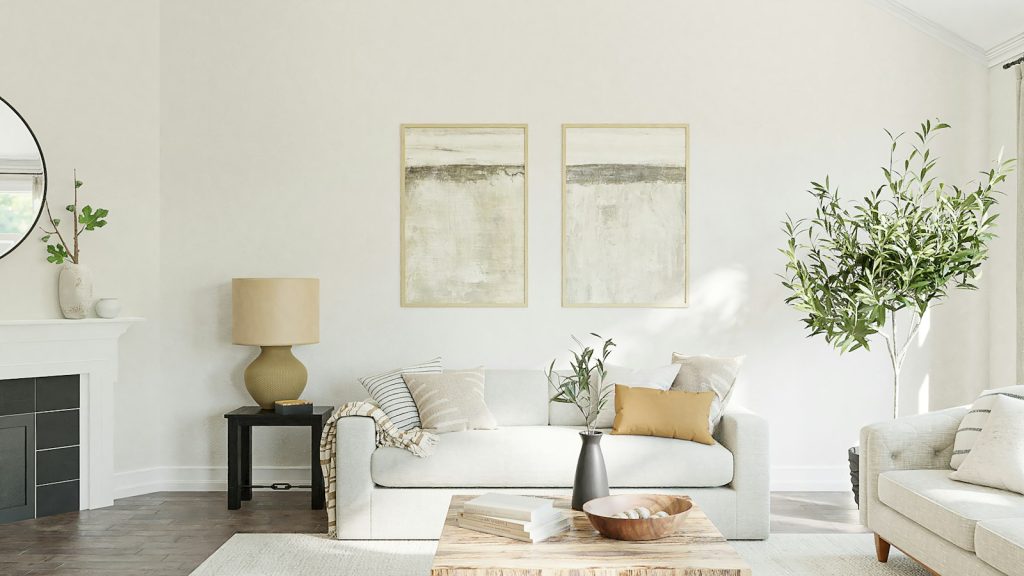
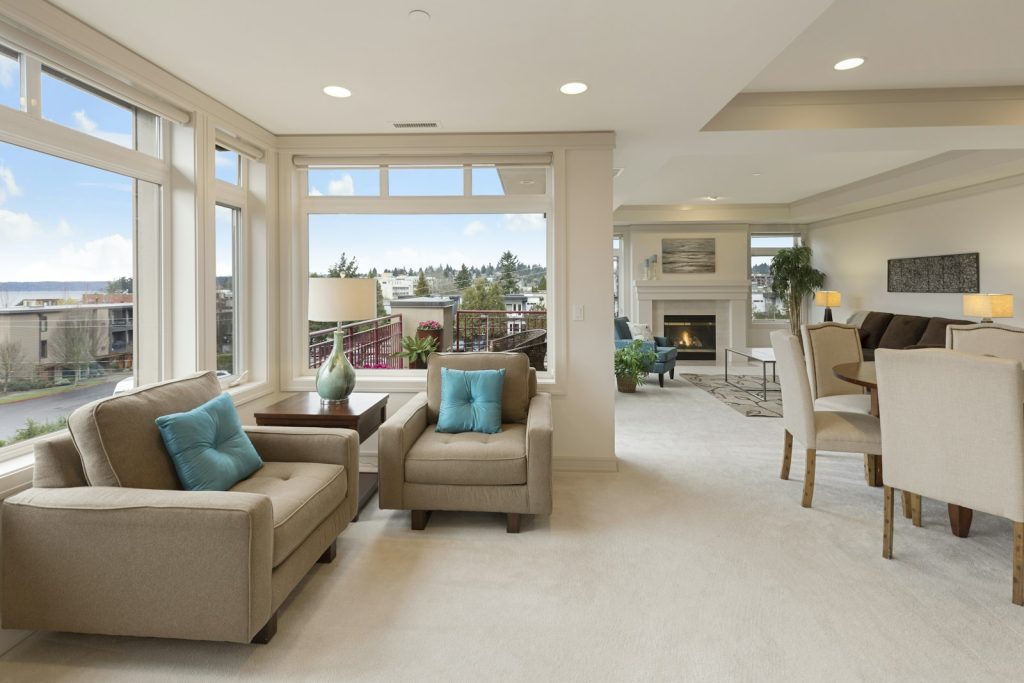
Open floor plans, common in Florida, can help if pathways are clear.
- Remove loose throw rugs and tape down or reroute cords.
- Keep lighting even, especially at entries and room transitions.
- Choose plain floors over busy patterns, and walls lighter than floors for contrast.
- Limit mirrors if reflections cause distress.
- Put decals on sliding glass doors so the glass is visible.
Mark step edges with bright tape so they are easy to see.
Florida-specific dementia home safety
A few hazards are especially common in Florida homes.
Pools and lanais
A screened lanai is not a barrier. Add a self-latching gate with the latch out of reach, plus gate and pool alarms.
Multiple exits
Many homes have front doors, sliders, and garage doors. The Alzheimer’s Association suggests placing latches or deadbolts above or below eye level, removing locks on interior doors so your loved one cannot lock themselves in, and keeping a spare key nearby. Door chimes add another layer. Read more in our dementia wandering guide.
The garage
Garages hold cars, chemicals, power tools, and gasoline. Keep the entry locked and car keys out of sight.
Heat and storms
Keep air conditioning reliable and have a backup plan for outages. Our hurricane preparedness guide covers generators and shelters.
Weapons, medicines, and dangerous items
The NIA recommends locking up or removing medicines, alcohol, cleaning products, poisonous plants, guns, power tools, and flammable items. The Alzheimer’s Association notes that later in the disease a person may not recognize family and could mistake them for intruders, which is why firearms should be removed or locked away. Use a locked box for medications and a pill organizer to track doses.
Home safety as dementia progresses
What your loved one needs will change over time, so plan to walk through the house again every few months.
Early stage
Focus on prevention that preserves independence: labels on cupboards, a big-button phone with emergency numbers, an automatic stove shut-off, and a pill organizer. Talk openly with your loved one about the changes and let them choose where possible.
Middle stage
This is often when wandering, night waking, and kitchen accidents increase. Door chimes, locked storage, removed car keys, and more supervision become important. Home safety now depends as much on people as on gadgets.
Late stage
Mobility and swallowing often decline. The focus shifts to fall prevention during transfers, a hospital bed or bed rails if a professional recommends them, and comfort. A home health or hospice team can advise on equipment.
The yard and outdoor spaces
Outdoor time is good for mood and sleep, so make it safe rather than off-limits. Secure the yard with fencing and a locked gate, as the NIA suggests, and remove poisonous plants. Keep paths even and well lit, store garden tools and chemicals in a locked shed, and add a shaded seat so your loved one can rest outside during cooler parts of the day.
Your priority checklist
If you can only do a few things this week, start here.
| Priority | Fix | Typical cost |
|---|---|---|
| 1 | Night lights along the path to the bathroom | Low |
| 2 | Grab bars and non-slip strips in the bathroom | Low to moderate |
| 3 | Stove knob covers or auto shut-off | Low to moderate |
| 4 | Door chimes on every exterior door | Low |
| 5 | Locked box for medicines and firearms secured | Low to moderate |
| 6 | Pool gate latch and alarm | Moderate |
Home safety also includes working smoke and gas detectors. The NIA notes that people with Alzheimer’s may not smell smoke or gas.
Example: one weekend of changes
This is an illustrative example, not a real client. A son in Orlando makes home safety changes in his father’s Florida home after a scare with the stove.
- Saturday morning: knob covers, a medicine lockbox, and detergent pods moved to a high cabinet.
- Saturday afternoon: grab bars, non-slip strips, and night lights.
- Sunday: door chimes, rugs removed, and a list of emergency numbers by the phone.
He keeps his father’s favorite chair and photos exactly where they were, so the home still feels like home.
When to involve the doctor
Talk to your loved one’s doctor after any fall, if balance or walking changes, or if new confusion makes daily tasks unsafe. Ask about a home safety or occupational therapy evaluation, and review medicines that may cause dizziness. This article is general information, not medical advice.
Frequently asked questions
What is the most important dementia home safety change?
It depends on your loved one, but night lights, bathroom grab bars, stove controls, and door chimes address the most common dangers: falls, burns, and leaving home unnoticed.
Should I lock my loved one’s bedroom at night?
No. Remove interior locks so your loved one cannot be locked in or lock themselves in. Use alarms on exterior doors instead.
How do I make a Florida pool safer?
Add a self-latching gate with the latch out of reach, gate and pool alarms, and supervision near water. Do not count on a screen enclosure to stop someone.
Is there help paying for home safety changes?
The NIA suggests checking with state housing and social services agencies and the Eldercare Locator (800-677-1116). In Florida, the Elder Helpline at 1-800-963-5337 can point you to local programs.
Can a companion help with home safety?
A companion provides supervision during visits, notices new risks, helps with light housekeeping and meals, and reports changes to you after each visit.
Still have questions?
Talk it through with us. A free call about your family's situation, with no obligation.
Call (689) 333-6079Send us a message- Screened for dementia care experience
- Florida ADRD training before the first visit
Conclusion
Dementia home safety is a process, not a one-time project. Fix falls, burns, and exits first, then keep adjusting room by room as your loved one’s abilities change.
Keep the home familiar while you make it safer. Small, low-cost changes add up.
If you would like a consistent companion in the home, get 3 free caregiver profiles within 48 hours or call (689) 333-6079. See how our in-home support works, or read about dementia care for someone living alone.
Want a companion screened for dementia care experience?
We'll send 3-5 caregiver video profiles within 48 hours, so you can watch their video interviews before you decide. $35/hour for 40+ hours a week, no contracts.