Care refusal in dementia is common and rarely personal: when your loved one says “no” to a bath, pills, meals or a new caregiver, it usually means something feels confusing, frightening, uncomfortable or out of their control. Stay calm, look for the need behind the refusal, change how and when you offer help, and try again later rather than arguing.
This guide explains why refusal happens, what to do if a dementia patient refuses care in the most common situations, which refusals can wait and which cannot, and how to introduce in-home help to someone who insists they do not need it.
Table of contents
Why your loved one says “no”
Dementia changes how the brain makes sense of the world. A “no” is often the only way your loved one can say that something feels wrong. A bath may feel cold and exposing. A pill may seem suspicious when they no longer remember why they take it. A new caregiver may look like a stranger walking into their home.
- Fear or confusion: not understanding what is happening or why.
- Loss of control: holding on to dignity and independence.
- Physical discomfort: pain, feeling cold, hunger or fatigue they cannot put into words.
- Overwhelm: too many steps, too much noise, too fast a pace.
- Not recognizing the need: a symptom called anosognosia, where the brain cannot recognize its own changes. Your loved one truly believes they are fine.
When you see the need behind the refusal, the “no” stops feeling like a battle and starts working as information.
When refusal is new or sudden
A sudden change in behavior can signal pain, an infection or a medication problem rather than the dementia itself. The Mayo Clinic lists infections, dehydration, pain and medication side effects among common triggers of delirium. If refusals appear out of nowhere, call the doctor. Our guide to sudden confusion and delirium explains what to watch for.

Responding to care refusal in dementia: 9 calm strategies
You cannot argue someone out of a feeling, but you can change how a task is offered. These approaches often turn resistance into cooperation.
- Pick your moment. Offer care when your loved one is rested, fed and calm, not tired or already upset.
- Check comfort first. Are they cold, in pain, hungry or needing the bathroom?
- Offer, don’t order. “Let’s get freshened up” feels kinder than “You need a shower now.”
- Give small choices. “Blue towel or white?” or “Now or in 15 minutes?” preserves control while moving forward.
- One step at a time. Short, single instructions with time to follow.
- Give them a job. Holding the washcloth or choosing the shirt keeps them involved.
- Follow the feeling, not the facts. Reassure rather than correct or explain repeatedly.
- Step away and try again. Wait 10 to 20 minutes, change the approach, or let a different person try.
- Adjust your standards. A sponge bath today may be good enough.
What to do if a dementia patient refuses care: common situations
| Refusing | Common reasons | What often helps |
|---|---|---|
| Bathing or showering | Feeling cold, exposed, afraid of the water or of falling | Warm room, towel for modesty, check water temperature, sponge bath or no-rinse products |
| Medications | Not remembering why, pills hard to swallow, suspicion | Same time daily, calm explanation, ask the pharmacist about other forms |
| Eating or drinking | Swallowing trouble, mouth pain, too much on the plate, distraction | Small portions, finger foods, quiet table, favorite foods |
| Changing clothes | Too many choices, feeling rushed, attachment to one outfit | Two choices laid out in order, duplicate favorite outfits |
| Doctor visits | Fear, past bad experiences, not seeing a need | Frame as a routine check, best time of day, a familiar companion |
| A new caregiver | A stranger in the home, feeling judged as incapable | Introduce as a friend or helper, low-pressure first visits |
Bathing
Bathing is one of the most common flashpoints. The Alzheimer’s Association notes that bathing is intimate, depth perception problems can make stepping into water frightening, and many people do not feel they need a bath. It suggests getting everything ready first, keeping the room warm, offering a towel for modesty, checking water temperature yourself, and using sponge baths or no-rinse products between full baths.
Our guide to bathing and dementia covers equipment and routines in more depth.
Medications
Missed heart, seizure or diabetes medicines can be serious, so medication refusal needs a plan. Try at the same time each day, with a drink and a brief, calm explanation. If pills are hard to swallow, ask the pharmacist whether a liquid or different form exists. Do not crush pills or hide them in food without checking first, since some medicines must not be crushed. See our guide to managing medications.
Meals and fluids
Refusing food can stem from mouth pain, swallowing trouble, too much on the plate or a noisy room. In Florida’s heat, refusing fluids matters more than a missed meal. Our post on mealtime struggles has practical ideas.
When a caregiver feels like a stranger
Many Florida families arrange in-home help only to have their loved one refuse to open the door. This is common and usually eases with time.
- Introduce the companion as a friend, a helper for the house, or company for the afternoon rather than “your caregiver.”
- Be there for the first visit or two, so your loved one sees you are comfortable.
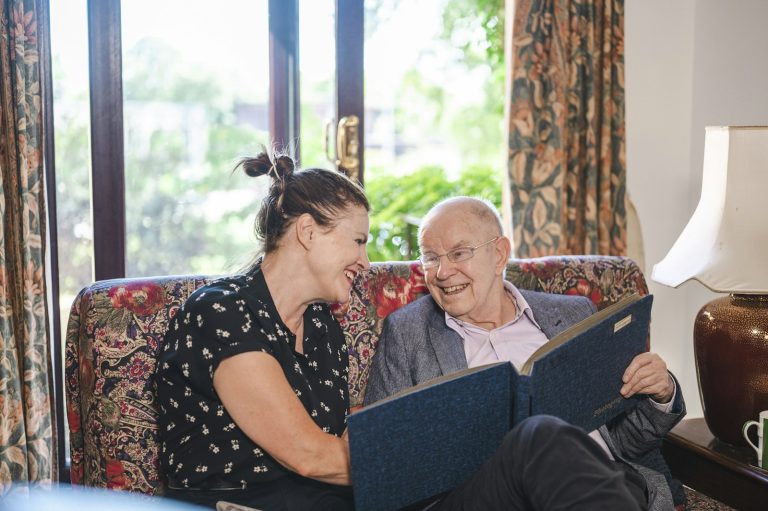
- Keep early visits light: coffee, old photos, a short walk, a card game.
- If a home health aide will help with bathing, hold off on hands-on tasks until trust builds.
- Keep the same person and the same days each week.
Consistency matters. That is why we match one companion per person and offer a free rematch if the fit is wrong. Read what a dementia companion does to picture a typical visit.
Choosing your battles
Not every refusal needs to be overcome today. Ask whether the issue affects health and safety, or mainly your preferences. A missed shower is not an emergency. A skipped heart medication or refusing water on a hot afternoon may be.
Protecting the relationship and your loved one’s dignity often matters more than winning a single moment. If refusal escalates into agitation or aggression, our calm guide to agitation can help you stay safe.
When to call the doctor
- Refusals are new, sudden or much worse than usual
- Your loved one is refusing essential medicines
- They are refusing to eat or drink for more than a day
- You suspect pain, infection or a reaction to a new medicine
- Anyone is at risk of harm during care
This article is general information, not medical advice. Your loved one’s doctor can help identify causes and adjust treatment.
Example: how this might look for a family in Orlando
This is an illustrative scenario, not a real client story. A daughter in Orlando arranges companion visits for her father, who has moderate dementia and says he “doesn’t need a babysitter.” On the first visit, she introduces the companion as a friend who likes old cars. They spend an hour looking at his car magazines on the lanai.
By the third week, he greets the companion at the door. The companion offers a shave and a fresh shirt before lunch, giving him two shirts to choose from. When he says no, she waits, makes coffee and asks again 15 minutes later. He agrees. Her visit note tells the daughter what worked, so she can use the same approach on weekends.
Frequently asked questions
What do you do if a dementia patient refuses care?
Stay calm and do not argue. Check for discomfort, offer the task in a different way or at a better time, give simple choices and try again later. Focus first on care that affects health and safety. Call the doctor if refusals are sudden or involve essential medicines, food or fluids.
Can you force someone with dementia to accept care?
Forcing care usually increases fear and resistance and can cause injury. Gentle approaches, timing and trusted people work better. If your loved one is unsafe and refuses all help, talk to their doctor and an elder law attorney about options such as a health care surrogate or power of attorney.
Why does my mother accept help from others but not from me?
This is common. Accepting help from a son or daughter can feel like a loss of their role as a parent. A neutral helper may feel less threatening. It is not a reflection of your care.
How long does it take for someone with dementia to accept a new caregiver?
It varies. Some people warm up in a visit or two; others take several weeks. Consistency helps most: the same person, the same days and low-pressure early visits.
Where can I get advice in the moment?
The Alzheimer’s Association runs a free Helpline at 800-272-3900 for caregivers who need guidance on difficult behaviors.
Still have questions?
Talk it through with us. A free call about your family's situation, with no obligation.
Call (689) 333-6079Send us a message- Screened for dementia care experience
- Florida ADRD training before the first visit
Conclusion
Care refusal in dementia is a message, not a battle. Look for fear, discomfort or loss of control behind the “no,” adjust the timing and approach, and save your energy for what affects health and safety.
Be gentle with yourself, too. The Alzheimer’s Association reports that 59% of dementia caregivers rate their emotional stress as high or very high. Tomorrow is a fresh start.
A patient, consistent companion can make care easier for everyone. Get 3 free caregiver profiles within 48 hours, call (689) 333-6079, or learn about dementia companion care.
A familiar face makes “yes” easier
One consistent companion, free rematch if the fit is wrong, $35 an hour for 40+ hours a week.
Want a companion screened for dementia care experience?
We'll send 3-5 caregiver video profiles within 48 hours, so you can watch their video interviews before you decide. $35/hour for 40+ hours a week, no contracts.