Rummaging in dementia, along with hiding and hoarding, is common and rarely done to upset you: your loved one may be searching for something, bored, hungry, anxious about losing belongings or simply soothed by sorting. Rather than trying to stop it, protect valuables and dangerous items, learn their favorite hiding spots, and offer a safe “rummage drawer” they can explore freely.
This guide explains why these behaviors happen, how to keep keys, medicines, money and mail safe, where lost items usually turn up, how to redirect gently, and how to make the home safer for a busy, searching loved one.
Table of contents
Why rummaging and hiding happen
Dementia changes how the brain handles memory, security and the need to keep busy. The National Institute on Aging describes rummaging and hiding as part of the disease, and notes that the person may be looking for something specific, may be hungry, or may be bored. Finding the cause helps you choose the right response.
- Searching: for a person, an object or a sense of purpose they cannot name.
- Feeling unsafe: worry that belongings will be lost or taken can lead to hiding them “somewhere safe,” which is then forgotten.
- Boredom or restlessness: sorting and folding give the hands something familiar to do.
- Old habits: a former office worker may file papers; a parent may “tidy” or collect things for the family.
- Hunger: searching cupboards or hoarding food can signal hunger they cannot express.
Seeing the need behind the behavior makes it easier to respond with patience instead of correction.
When hiding leads to accusations
Your loved one may hide something, forget, and then believe it was stolen. This can be painful for family and caregivers. Our guide to coping with false accusations of stealing explains how to respond without arguing.
Keeping important items safe
The most stressful part of hiding is losing essential items. The NIA suggests moving important papers, checkbooks, cards, jewelry, phones and keys out of reach, and locking up or hiding toxic and dangerous products.
- Lock up the essentials. Store medicines, car keys, valuables and important documents in one locked place.
- Keep duplicates. Spare glasses, house keys, remotes and hearing aid chargers save hours of searching.
- Swap real for replica. Replace valuable jewelry or large amounts of cash with inexpensive substitutes your loved one can handle freely.
- Protect the mail. If mail goes missing, the NIA suggests a post office box. Switching bills to paperless also helps.
- Close off unused rooms. Fewer spaces mean fewer hiding places.
- Cover trash cans or keep them out of sight, and check them before emptying.
Missing checkbooks and mail can also be early signs of financial risk. Our guide to protecting a loved one from scams covers bank alerts and other safeguards.
Where lost items usually turn up
Many people return to the same few places. The NIA recommends learning where your loved one tends to hide things and checking those spots regularly when they are not watching. This table can be a starting point for your own household map.
| Often missing | Common hiding spots | Prevention |
|---|---|---|
| Glasses, hearing aids, dentures | Napkins, tissues, coat pockets, under pillows | One labeled dish; check napkins before throwing away |
| Keys and wallet | Shoes, drawers, purses, the freezer | Duplicates; originals locked away |
| Mail and papers | Under mattresses, between books, in the trash | Post office box, paperless billing |
| Food | Dresser drawers, closets, bags, under the bed | Regular snacks, routine checks for spoiled food |
| Medications | Pockets, purses, cups, potted plants | Locked storage, supervised reminders |
| Remote control, phone | Couch cushions, the fridge, the laundry basket | A bright case, a phone-finder feature |
A note on hidden food in Florida
Food tucked into drawers or closets can spoil quickly in warm, humid weather, and your loved one may eat it later without noticing. The NIA advises throwing out spoiled food. A quick daily sweep of favorite hiding places, plus regular snacks so hunger is not driving the behavior, helps. On hot days, offer water too; the CDC notes older adults should drink more than usual in heat and not wait for thirst.
Managing rummaging in dementia: redirect, don’t forbid
Trying to stop rummaging completely usually leads to frustration on both sides. A better goal is to make it safe and even satisfying.
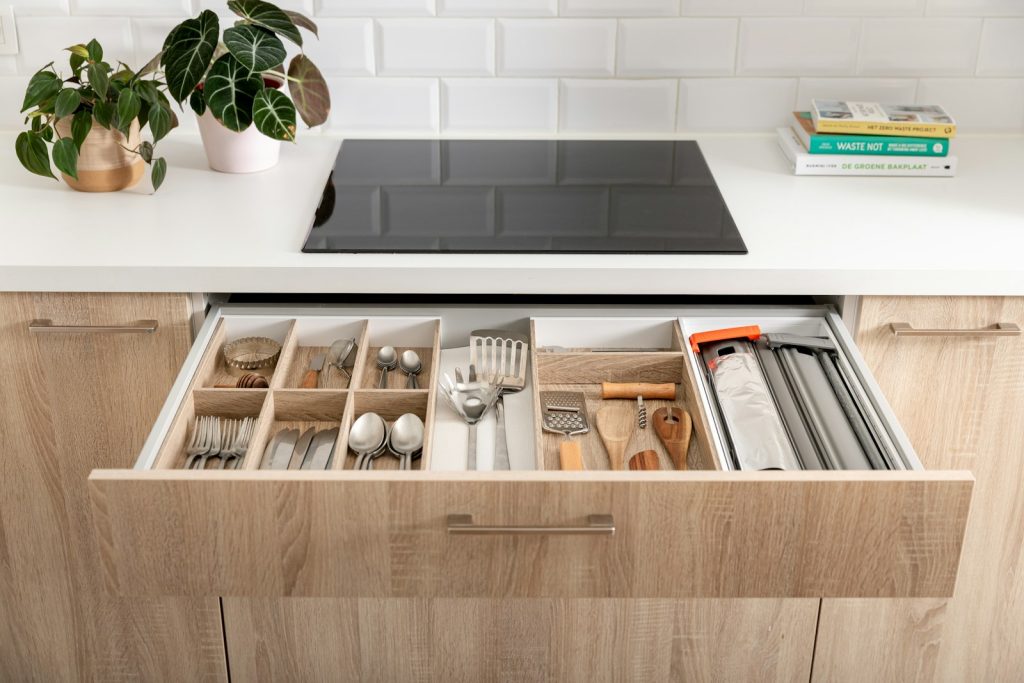
Create a rummage drawer or box
The NIA suggests giving your loved one a safe place to search and sort, such as a chest of drawers, a bag of objects or a basket of clothes to fold. Fill it with things that match their history:
- Costume jewelry, scarves and colorful fabric
- Old greeting cards, postcards and photos (copies, not originals)
- Keys that open nothing, a coin purse with play money
- Fishing lures without hooks, small wooden tools, nuts and bolts in a jar
- Recipe cards, kitchen utensils with no sharp edges
- Socks to match and towels to fold
Refresh it now and then so there is something new to discover. You may need to remind your loved one where it is.
Offer meaningful jobs
Folding laundry, matching socks, sorting silverware or watering plants can channel the same energy. Our list of meaningful activities at home has more ideas.
Redirect with warmth
When searching becomes anxious, try offering a snack, a short walk or a favorite song. On cooler mornings, a stroll in the shade or time on the porch can ease restlessness. Do not scold or explain why hiding is a problem; your loved one likely will not remember, and the conversation may only add distress.
Making the home safer
- Use childproof latches on cabinets with cleaning products, chemicals, sharp tools or alcohol.
- Keep firearms locked and unloaded, or removed from the home.
- Reduce clutter in shared spaces so there is less to sort and fewer places to lose things.
- Check the refrigerator and pantry regularly for spoiled food.
- Secure exits if searching sometimes turns into leaving the house.
Our room-by-room home safety guide and wandering guide go further.
When to call the doctor
Talk with your loved one’s doctor if rummaging or hiding appears suddenly, becomes intense, comes with new confusion or agitation, or if your loved one seems to be searching because of pain, hunger or fear. A sudden behavior change can have a medical cause. This article is general information, not medical advice.
Example: how this might look in Fort Lauderdale
This is an illustrative scenario, not a real client story. A daughter in Fort Lauderdale keeps finding her mother’s hearing aids in tissues and the TV remote in the freezer. Last week, her mother’s checkbook disappeared, and she accused a neighbor of taking it.
The daughter locks the checkbook and medicines in a small safe, buys a spare remote and sets up a sewing basket filled with fabric squares, buttons and spools. When the companion visits, she sits with her mother and the basket, sorting buttons by color and talking about the dresses her mother used to sew. The companion’s notes show that the searching peaks before lunch, so the family starts offering a mid-morning snack. Over a few weeks, the hunt for “lost” things becomes calmer.
Frequently asked questions
Why does my mother with dementia hide things?
Often because she feels her belongings are not safe, then forgets where she put them. Boredom, anxiety, hunger and lifelong habits can also play a part. Responding calmly and protecting important items works better than correcting her.
Should I stop my loved one from rummaging?
Usually not. Make it safe instead: lock away dangerous and valuable items and offer a rummage drawer or basket they can explore freely.
What should I put in a rummage box?
Safe, familiar items tied to their interests: fabric, scarves, costume jewelry, old cards and photo copies, keys, tools without sharp edges, recipe cards or socks to match.
Is hoarding a sign that dementia is getting worse?
Hiding and hoarding can appear at different stages and do not on their own show how fast dementia is progressing. If the behavior starts suddenly or comes with new confusion, talk with the doctor.
Where can I get advice on difficult behaviors?
The Alzheimer’s Association offers a free Helpline at 800-272-3900 for caregivers with questions about behaviors like rummaging and hiding.
Still have questions?
Talk it through with us. A free call about your family's situation, with no obligation.
Call (689) 333-6079Send us a message- Screened for dementia care experience
- Florida ADRD training before the first visit
Conclusion
Rummaging in dementia, hiding and hoarding are usually your loved one’s way of feeling safe, busy or in control. Protect what matters, learn the hiding spots and give that searching energy a safe place to go.
Stay calm when things go missing, and be kind to yourself on frustrating days. The Alzheimer’s Association reports that 59% of dementia caregivers rate their emotional stress as high or very high.
A patient companion can keep your loved one engaged and give you time to rest. Get 3 free caregiver profiles within 48 hours, call (689) 333-6079, or explore our memory and engagement visits.
Busy hands, calmer days
A consistent companion who turns restless searching into meaningful activity, $35 an hour for 40+ hours a week.
Want a companion screened for dementia care experience?
We'll send 3-5 caregiver video profiles within 48 hours, so you can watch their video interviews before you decide. $35/hour for 40+ hours a week, no contracts.