When a loved one with dementia says “I want to go home” while already at home, they are usually asking for comfort, safety and belonging rather than a place. Respond to the feeling, not the facts: acknowledge it, invite them to talk about home, reassure them they are safe, check for unmet needs and gently redirect. Arguing that they are home tends to raise distress.
This guide explains what “home” often means, why correcting backfires, phrases that help, how to spot triggers, how this links to wandering risk, and how Florida families can make evenings calmer.
Table of contents
What “home” often means
Dementia changes how the brain holds on to time and place.
Your loved one may be thinking of a childhood house, the home where they raised children, or simply a time when life felt safe and familiar. The Alzheimer’s Association notes that in later stages a person may become confused about the location of home or the passage of time. “Home” often stands for comfort and belonging.
Seen this way, the request is an emotional message: I feel unsettled, and I want to feel safe again. That changes how you respond.

Why correcting rarely helps
It is natural to say “You are home” or “You’ve lived here for 30 years.” But if your loved one’s brain no longer recognizes the house, insisting can make them feel dismissed, frightened or more determined to leave.
The Alzheimer’s Association suggests meeting the person in their reality: if their memories come from an earlier time, talk about those memories as if they are current. The goal is not to win the point. It is to help your loved one feel understood.
How to respond when they say “I want to go home”
No script works every time, but these approaches help many families.
1. Acknowledge the feeling
“You’d really like to go home, wouldn’t you?” Naming the wish shows you are listening.
2. Invite them to talk about home
“Tell me about your home. What did your kitchen look like?” Reminiscing often moves the focus from leaving to remembering.
3. Reassure and stay close
The Alzheimer’s Association suggests calm phrases like “You’re safe here.” Add “I’m right here with you.”
4. Check for unmet needs
Hunger, thirst, tiredness, pain, being too hot or cold, or needing the bathroom can all fuel the urge to leave. Meeting the need often ends the request.
5. Redirect to something pleasant
Offer a snack, a cool drink, a short walk, folding towels or looking at photos. Familiar music can help too.
6. Agree to “later” rather than argue
“Let’s have some tea first, then we’ll see” buys calm time without a fight.
7. Lower the stimulation
Turn off the TV, dim harsh lights, close the blinds against glare and keep voices soft.
What to say, and what to avoid
| Avoid | Try instead |
|---|---|
| “You are home. This is your house.” | “Tell me about your home.” |
| “Your parents died years ago.” | “You miss your mom. What was she like?” |
| “We can’t go anywhere.” | “Let’s have a snack first.” |
| “Stop asking me that.” | “I’m right here. You’re safe.” |
Look for patterns and triggers
Many families notice the request comes at certain times, often late afternoon or early evening. The Alzheimer’s Association lists late-day agitation, known as sundowning, among the triggers, and suggests keeping a log of what happens before episodes.
Write down when it happens, what came just before and what helped. Common triggers include a long or noisy day, an overheated room, a disrupted routine after an appointment, a houseguest, or fading light. The National Institute on Aging even suggests keeping personal clothes out of sight in unfamiliar settings, because they can prompt thoughts of getting dressed and going home.
A steady routine, a lighter evening, lights on before dusk and a comfortable temperature can reduce how often the feeling surfaces. See our sundowning guide and daily routine guide.
Safety: when “I want to go home” becomes wandering
The Alzheimer’s Association lists trying or wanting to “go home” even when at home as a warning sign of wandering, and reports that six in 10 people living with dementia will wander at least once.
- Keep a recent photo and a list of places they might try to go.
- Make sure they carry ID or wear a medical bracelet.
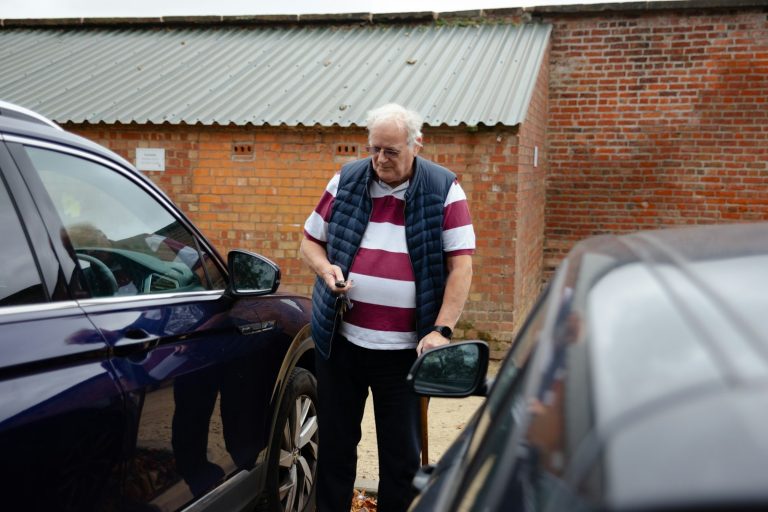
- Store car keys, purses and coats out of sight.
- Consider door alarms or chimes, and night lights.
In Florida, a person who slips out on a hot afternoon or near water is in real danger. Read our guide to wandering and elopement.
Example: an evening in West Palm Beach
This is an illustrative example, not a real client story.
Most days around 5 pm, a father starts gathering his keys and saying he needs to get home to his mother. His son used to remind him that his mother passed away long ago, which led to tears.
Now the son says, “You miss your mom. Tell me about her cooking,” and they look at an old family album over a glass of iced tea. He turns on lamps at 4:30 and moves the car keys to a drawer. The evening requests still come, but they pass in minutes instead of an hour.
What stage of dementia brings “I want to go home”?
It is most often described in the middle and later stages, as confusion about place and time grows. It can also appear earlier, especially after a move, a hospital stay, travel or illness. Our guide to the stages of dementia explains what each stage usually brings.
If your loved one lives in memory care or with family
The request is common after a move, whether to a relative’s house, assisted living or memory care. Familiar things help the new place feel like home: a favorite chair, family photos at eye level, a familiar quilt, their own mug. Visit at calm times of day, and keep goodbyes short and warm. Our guide to easing the move to memory care has more ideas.
When to call the doctor
Call the doctor if the requests start suddenly, come with new confusion, fear or agitation, or if your loved one seems unwell. The Alzheimer’s Association notes that infections and changes in routine can worsen symptoms, and that sudden behavior changes warrant a medical evaluation. A urinary tract infection, pain or a new medicine can be behind a sudden change. This article is general information, not medical advice.
Caring for yourself
Hearing “I want to go home” over and over is draining, especially when you have worked so hard to keep your loved one at home. Take a breath before you answer. A calm presence soothes more than perfect words. Regular respite care gives you time to rest and reset.
It also helps to talk with others who hear the same words every evening. A caregiver support group, in person or online, can offer phrases that worked for them and remind you that this is a symptom of the disease, not a judgment on the home you have made.
Frequently asked questions
Why does a person with dementia want to go home when they are home?
They may be thinking of a childhood home or an earlier time in life, or “home” may stand for feeling safe and comfortable. The request is often about feelings rather than a place.
What stage of dementia is wanting to go home?
It is most often seen in the middle and later stages, when confusion about place and time increases, but it can appear earlier after a move, illness or hospital stay.
Should I tell my loved one they are already home?
Usually not. Correcting often increases distress. Acknowledge the feeling, ask about the home they remember and reassure them they are safe.
Is wanting to go home a sign of wandering?
Yes. The Alzheimer’s Association lists wanting to go home while at home as a warning sign. Plan ahead with ID, a recent photo and secured doors.
Can a companion help when my loved one wants to go home?
A familiar companion can offer reassurance, reminisce, take a short walk with your loved one and keep late-afternoon hours calm, giving you a break during the hardest time of day.
Still have questions?
Talk it through with us. A free call about your family's situation, with no obligation.
Call (689) 333-6079Send us a message- Screened for dementia care experience
- Florida ADRD training before the first visit
Conclusion
“I want to go home” is usually a request for comfort. Answer the feeling, not the facts: acknowledge it, invite stories, reassure, meet basic needs and redirect gently.
Watch for patterns, keep evenings calm and plan ahead for wandering risk.
If you would like a familiar companion during the late-afternoon hours, get 3 free caregiver profiles within 48 hours or call (689) 333-6079. See our dementia companion care.
Want a companion screened for dementia care experience?
We'll send 3-5 caregiver video profiles within 48 hours, so you can watch their video interviews before you decide. $35/hour for 40+ hours a week, no contracts.