Guidance for families
living with dementia
Honest, practical articles for families navigating a dementia diagnosis. No medical jargon — just clear, compassionate guidance.
Comfort in the Final Chapter: Caring for a Loved One with Late-Stage Dementia
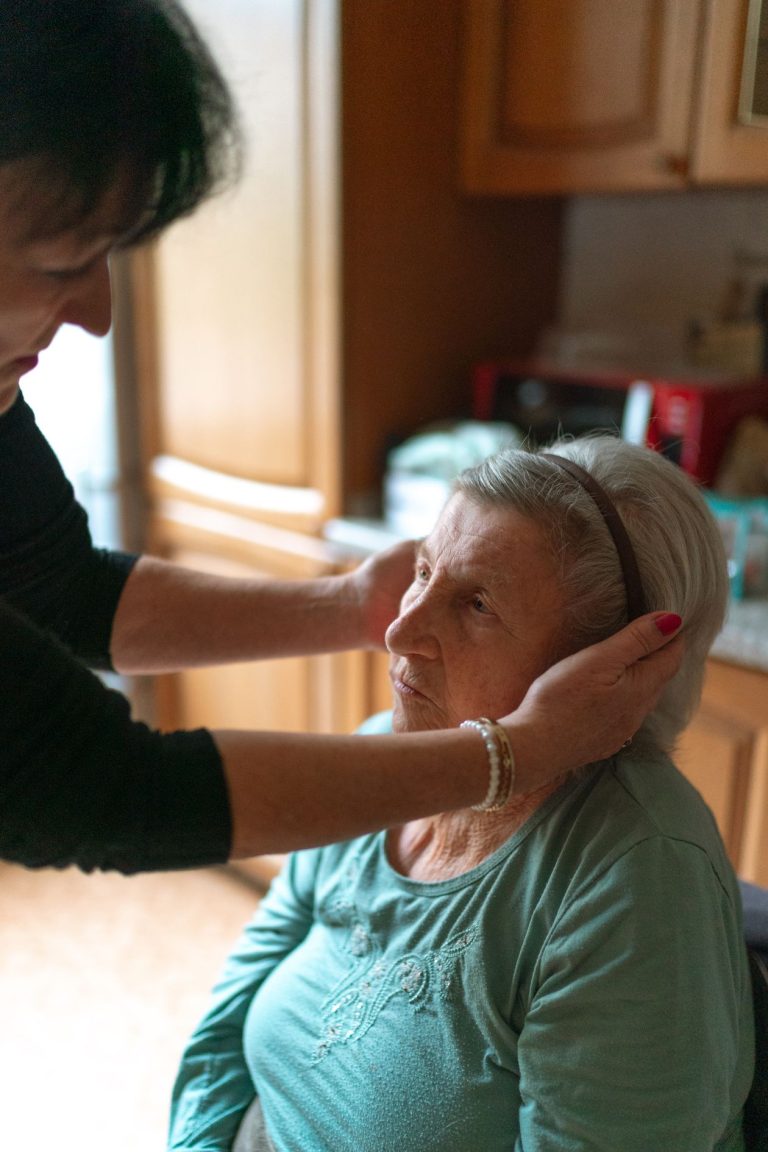
When dementia reaches its late stages, care shifts toward comfort and peace. A gentle Florida guide to easing distress, feeding without pressure, understanding hospice, and caring for yourself.
All articles
65 articles
Keeping Your Loved One Hydrated: Preventing Dehydration and Heat Illness in Florida’s Summer
Florida summers raise the risk of dehydration for people with dementia. Learn the warning signs, simple ways to encourage fluids, and how to stay safe in the heat.
When Words Get Hard: How to Communicate with a Loved One Who Has Dementia
Communication changes are one of the hardest parts of dementia caregiving. Here are gentle, practical phrases that help - and the ones to avoid - when words get hard for your loved one.
Dementia and Sleep: Why Your Loved One’s Sleep Changes and What You Can Do About It
Sleep problems affect the majority of people living with dementia — and their caregivers. Here's why sleep changes happen in dementia, what the disruptions look like, and the practical strategies that genuinely help.
How to Talk to Your Siblings About Getting Help for a Parent with Dementia
One of the hardest conversations in dementia care isn't with a doctor — it's with your siblings. Here's how to approach the discussion about getting professional help, handle pushback, and divide responsibilities fairly as a family.
When Dementia Wanders: What Florida Families Need to Know About Wandering and Elopement
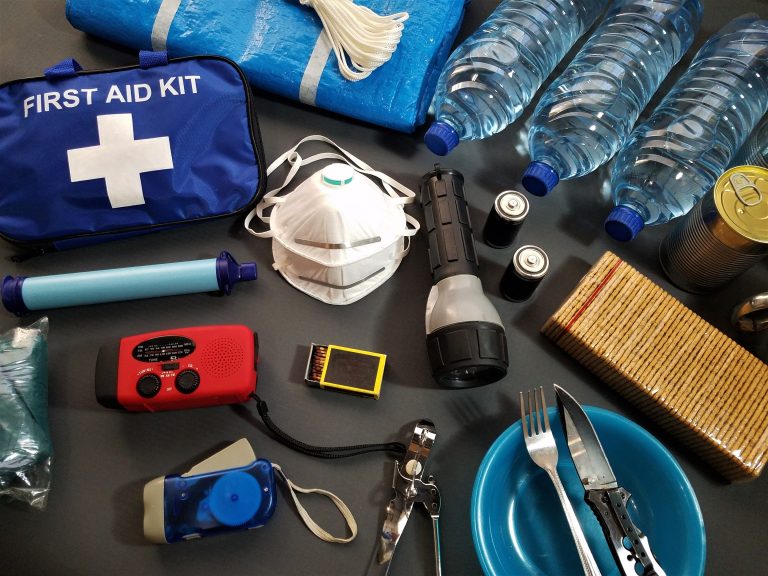
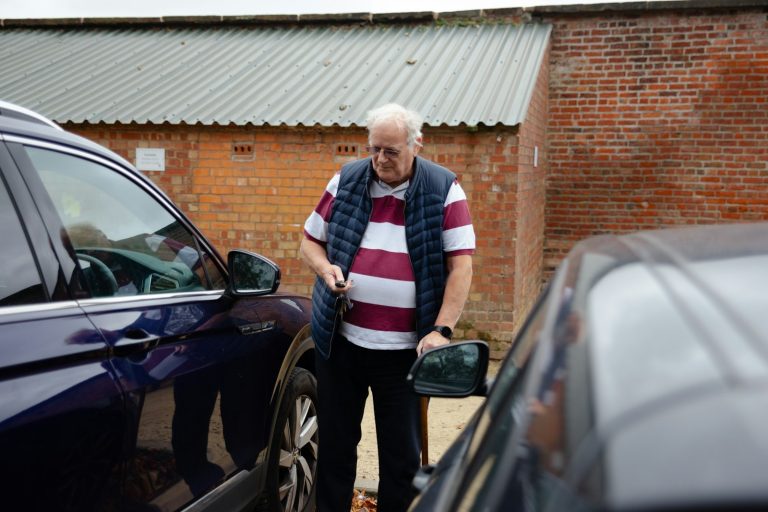
Wandering and elopement affect 6 in 10 people with dementia. This guide for Florida families covers why it happens, warning signs to watch for, practical prevention strategies, and exactly what to do if your loved one goes missing.
How to Make Your Florida Home Safer for Someone with Dementia: A Room-by-Room Guide
A practical room-by-room guide to making your Florida home safer for a loved one with dementia — covering the kitchen, bathroom, bedroom, living areas, doors, and Florida-specific hazards like pools and heat.
5 Signs Your Loved One May Need a Dementia Companion
Not sure if your loved one needs more support? These five signs — from isolation and safety concerns to caregiver burnout — can help you make one of the most important decisions your family will face.
What Does a Dementia Companion Actually Do? A Day in the Life
Curious about what a dementia companion actually does? We walk you through a full day — from morning conversation and purposeful activities to the end-of-visit handover — so you know exactly what to expect.
Sundowning and Dementia: What It Is and How to Manage It
If you’ve noticed that your loved one with dementia becomes more confused, agitated, or anxious in the late afternoon or evening, you’re not imagining it. This pattern — known as sundowning — is one of the most challenging aspects of dementia care, and it affects a significant proportion of people living with Alzheimer’s disease and […]
10 Meaningful Activities for Dementia Patients at Home
One of the most powerful things you can do for a loved one living with dementia is to help them stay engaged. Meaningful daily activities reduce agitation, support cognitive function, and — perhaps most importantly — bring moments of joy and connection into each day. The key is choosing activities that match your loved one’s […]
Get new articles in your inbox
Practical guidance for families navigating dementia — delivered free. No spam, unsubscribe any time.
Frequently Asked Questions
A Dementia Companion is a trained, compassionate person who provides regular companionship and engagement to someone living with dementia. Unlike clinical carers, Companions focus on meaningful connection, activities, and emotional support.
A home carer focuses on physical tasks like personal hygiene and medication. A Dementia Companion fills a different role: genuine human connection, stimulating conversation, cognitive activities, and emotional support. Many families use both.
Common signs include increased isolation, mood changes, safety concerns when left alone, caregiver burnout in family members, or a decline in day-to-day engagement and routine.
Yes. All Companions are trained in dementia-specific communication, activity facilitation, and compassionate engagement. They know how to navigate the unique challenges dementia presents.
We serve families across a wide range of Florida counties and cities. Contact us to check availability in your area — we are expanding regularly.
Visits are tailored to your family needs. Some families choose a few hours a week; others need daily support. We will work with you to find the right rhythm.