In-home dementia support in Florida that keeps everyday life on track
In-home support for dementia: meals, light housekeeping, errands, appointments and medication reminders, handled by the companion your loved one already knows.
In-home support for someone with dementia covers the practical tasks that start to slip: meal preparation, light housekeeping, laundry, errands, going along to appointments and medication reminders. It stays non-medical: companions do not give medication or hands-on personal care such as bathing or toileting; for that, families add a licensed home health agency or aide, and our companion can work alongside them. Dementia Companions provides it at $35/hour for 40+ hours a week through one consistent companion, screened for dementia care experience, with no contract.
The practical help that keeps a home running
Dementia often shows up first in the everyday logistics: an empty fridge, a missed appointment, a pill organizer that’s half full on Friday, mail piling up. In-home support covers those tasks so your loved one can keep living at home and you aren’t driving over every evening to catch up.
The same companion, screened for dementia care experience, handles the tasks and the company, so help with the kitchen never feels like a stranger taking over.
| Task | Included | Not included |
|---|---|---|
| Meals | Planning, cooking, serving and cleaning up; encouraging fluids | Tube feeding or clinically prescribed diets requiring nursing oversight |
| Housekeeping | Light tidying, dishes, laundry, making beds, taking out trash | Deep cleaning, yard work, home repairs |
| Errands | Groceries, pharmacy pickups, post office, with or for your loved one | Managing bank accounts or signing documents |
Outside the house, and around medicines:
| Task | Included | Not included |
|---|---|---|
| Appointments | Going along, helping your loved one stay calm, taking notes for the family | Making medical decisions or speaking as the legal representative |
| Personal care | Reminders through the daily routine | Hands-on bathing or toileting (add a licensed home health aide), wound care, injections or other nursing tasks |
| Medication | Reminders at set times; noting in the visit note if a dose was refused | Handling, administering or setting up medications |
Companions are not nurses. If your loved one needs medication administered, wound care or other skilled care, keep a home health agency or nurse in place; a companion can work alongside them. Our companion vs. home health comparison explains where the line falls.

A four-hour support visit, step by step
Here is a weekday visit for a widower with early-stage Alzheimer’s who lives alone in Boca Raton:
- 8:30, Arrival. Check the kitchen, the calendar and yesterday’s note. Medication reminder with breakfast.
- 9:00, Breakfast and the plan. Go over the day together on a whiteboard: doctor, then groceries.
- 9:45, Appointment. The companion goes along to the primary care visit, keeps him company in the waiting room, and writes down what the doctor says for his daughter.
The second half of the visit:
- 11:00, Pharmacy and groceries. Pick up the refill and the week’s food, using the list made at breakfast.
- 11:45, Home. Put groceries away, prep two simple dinners and label them, run a load of laundry.
- 12:30, Lunch together and the note. His daughter gets a summary: appointment notes, what’s in the fridge, any concerns.
Who in-home support is for
Families usually add it in one of these situations:
- People living alone with dementia who manage most of the day but slip on logistics
- Families who see warning signs: spoiled food, unpaid bills, missed doses
- Someone who has stopped driving and needs help getting out
- People coming home after a hospital stay
- Spouses whose own health limits how much housework they can carry
Doing it with your loved one, not for them
The easiest way to make someone with dementia feel like a guest in their own home is to take every task away.
Our companions work the other way. If your mother has always made the coffee, she still makes the coffee while the companion stands beside her and quietly checks the burner is off. If your father kept the grocery list, he still writes it, and the companion fills in what’s missing. Tasks are broken into small steps and offered as invitations: “Could you help me fold these?” goes over better than “Let me do that for you.”
This matters for more than pride. Familiar roles give structure to the day, and a person who feels useful is often calmer later on. As abilities change, the companion adjusts the share of the work and records it in the visit note, so you can see how things are going over time. Our guide to creating a calming daily routine explains why consistency helps.
How matching works
After your first call, you’ll see 3-5 matched video profiles within 48 hours. For support visits we look closely at practical fit: comfort in the kitchen, familiarity with your area, and whether your loved one prefers a quieter or chattier person. You choose; one primary companion visits each time. If it isn’t right, the rematch is free, and the monthly care-plan review is when tasks are added or adjusted.
Example weekly budget
No hidden fees, no markups, no long-term contract. Our rate is $35/hour for 40+ hours a week; call us about shorter schedules. Monthly figures use 4.33 weeks.
| Plan | Hours/week | Weekly | About monthly |
|---|---|---|---|
| 5 weekday visits × 8 hours | 40 | $1,400 | $6,062 |
See the cost calculator to compare home and facility costs, or ways families pay for care. We’re private-pay; some long-term-care insurance policies reimburse homemaker or companion services, so check yours.
How it pairs with other services
Most families don’t buy in-home support on its own. It’s usually part of a visit that also includes companionship and engagement, so folding laundry becomes an activity and lunch becomes conversation. Families who are comparing a move to a facility can read in-home care vs. assisted living, which looks at what each setting covers.
Florida-specific notes
- Heat and the kitchen. The CDC advises limiting stove and oven use during extreme heat because they warm the house. In summer, companions lean toward cool lunches and quick-cooking meals, and check that the air conditioning is working.
- Hurricane season. Support visits are a good time to restock water, refill prescriptions ahead of a storm, and check the go-bag. Our hurricane guide has a checklist.
Two more things companions watch for:
- Scams. Companions who sort the mail often notice suspicious letters or calls first, and flag them to the family. See protecting your loved one from scams.
- Home safety. While tidying, companions spot loose rugs and cluttered paths. The room-by-room safety guide covers the rest.
Terms like activities of daily living come up often when you talk with doctors and insurers; our glossary explains them.
Where we help
- Miami-Dade
- Fort Lauderdale & Broward
- Palm Beach County
- Naples & Collier
- Fort Myers & Lee
- Sarasota & Manatee
- Tampa & Hillsborough
- Orlando & Orange County
- Jacksonville & Duval
Full-time and live-in support
In-home support can grow with your loved one. Families who need round-the-clock supervision can choose live-in care from $375 a day. Caregivers provide supervision, routines, meals and medication reminders; they do not give medications, hands-on personal care or skilled nursing care.
Take the daily logistics off your list
Tell us what’s slipping at home and get 3-5 matched companion profiles within 48 hours. $35/hour for 40+ hours a week.
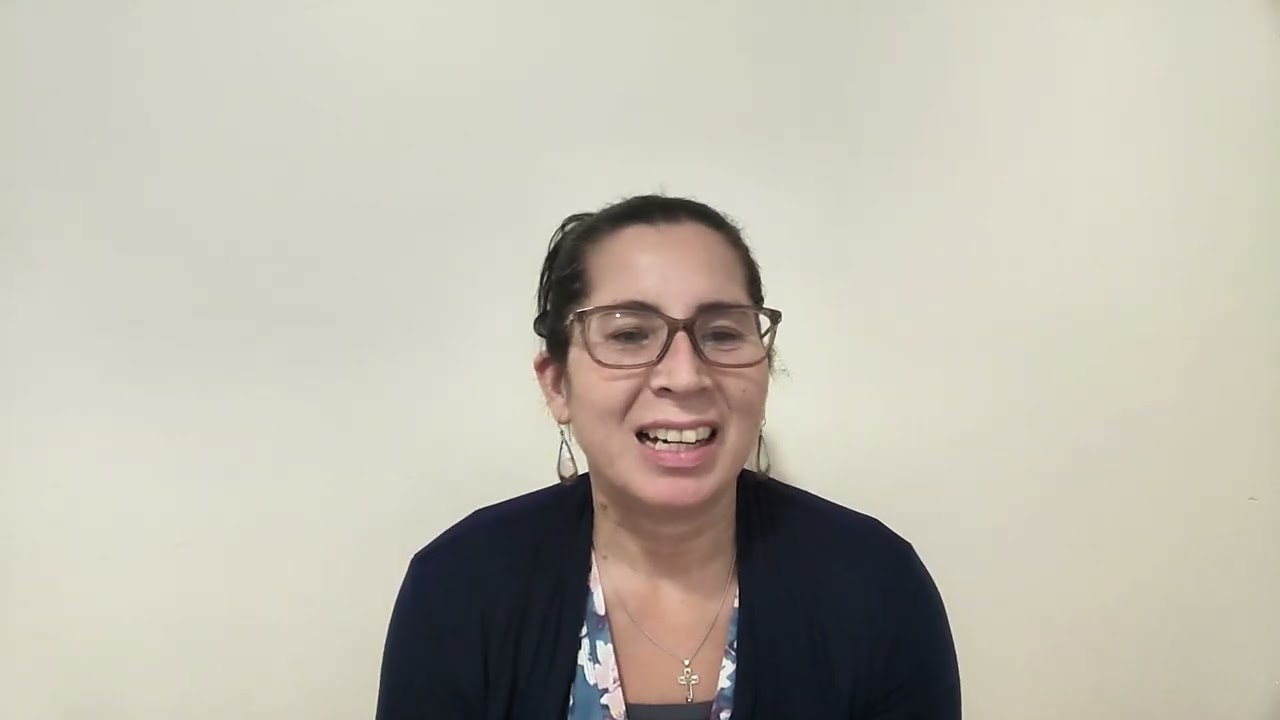
Watch a caregiver before you choose
Families watch video interviews like these and choose their companion. No one is sent to your parent's home until you have watched them and said yes.


Frequently asked questions
Still have questions?
Talk it through with us. A free call about your family's situation, with no obligation.
Call (689) 333-6079Send us a message- Screened for dementia care experience
- Florida ADRD training before the first visit
Can a companion give my mother her pills?
No. Companions give reminders at the right times and note in the visit summary if a dose was refused, but they don’t handle or administer medication. If she needs help taking medication, ask her doctor or a home health agency.
Will the companion go with my dad to his doctor appointments?
Yes. Going along to appointments is part of in-home support: keeping him calm, helping him find his way, and writing down what the doctor says for the family.
Is housekeeping included in every visit?
Light housekeeping connected to your loved one’s day, like dishes, laundry and tidying, can be part of any visit. Deep cleaning and yard work are outside our services.
How do I know what got done?
You receive a brief note after every visit, and we review the care plan with you monthly.
How much does in-home dementia care cost?
With Dementia Companions it is $35 an hour for 40 or more hours a week, and live-in care starts at $375 a day; call us about shorter schedules. For comparison, CareScout's 2025 Cost of Care Survey puts the Florida median for a non-medical caregiver at $32 an hour. Medicare does not pay for ongoing companion care at home.
Don't see your question? Call (689) 333-6079 or send us a message.