If you’ve been searching for extra support for a loved one living with dementia, you may have come across the term “dementia companion” — but what does that actually mean? What does someone in this role do, hour by hour, in someone’s home?
This guide walks you through a typical day in the life of a Dementia Companion at Dementia Companions — so you know exactly what to expect when you invite one into your family’s world.
First: What a Dementia Companion Is Not
Before diving into the day, it helps to clear up a common misconception. A Dementia Companion is not a medical professional, nurse, or personal care aide in the clinical sense. They don’t administer medications, provide medical assessments, or replace a doctor’s care.
What they are is something equally important: a consistent, compassionate presence — a familiar face who shows up, engages genuinely with your loved one, and provides the kind of human connection that makes a real difference to quality of life.
A Typical Visit: Morning (9:00 AM – 12:00 PM)
9:00 AM — Arrival & Settling In
The Companion arrives at the home, greets your loved one warmly, and takes a few minutes to check in with any family members present. This transition time matters — familiar greetings and a calm routine help orient someone with dementia and reduce anxiety about who’s visiting.
9:15 AM — Conversation & Reminiscence
One of the most powerful things a Companion does is simply talk. They may look through a photo album together, chat about memories from decades past, or discuss the morning news. For someone with dementia, long-term memories often remain vivid long after short-term recall fades — reminiscence conversations tap into this, sparking joy and a sense of identity.
10:00 AM — A Purposeful Activity
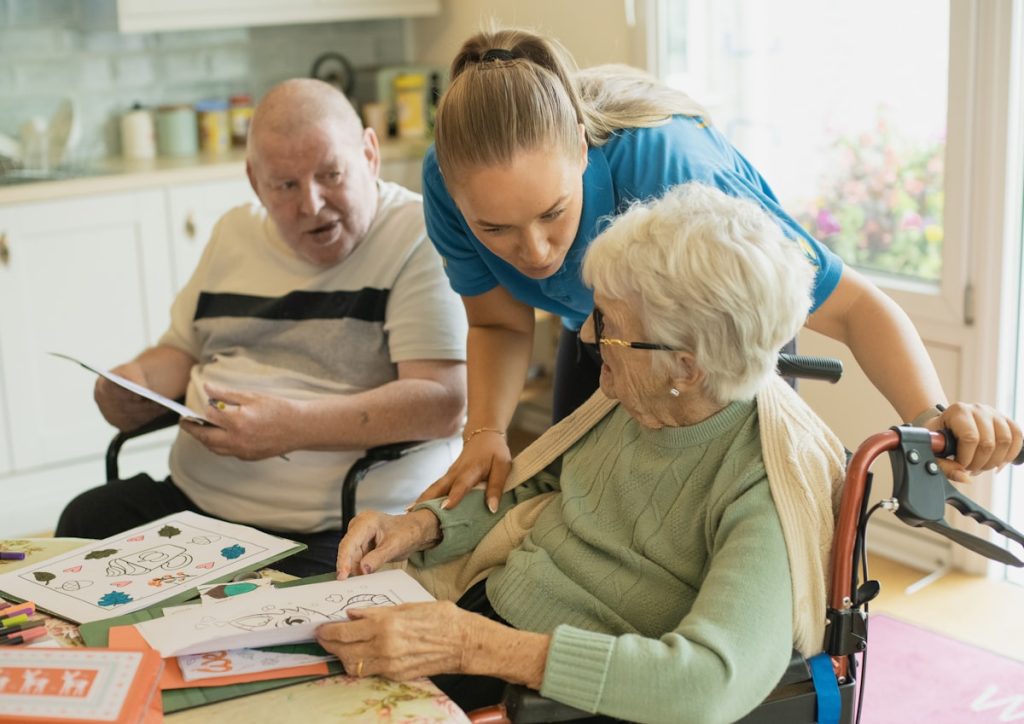
Activities are tailored to the individual — their history, interests, and current abilities. This might be a gentle puzzle, tending to potted plants on the porch, baking biscuits together, listening to favourite music, or working on a simple craft. The goal isn’t to “keep them busy” — it’s to create moments of genuine engagement and accomplishment.
Midday: Lunch & Quiet Time (12:00 PM – 1:30 PM)
12:00 PM — Lunch Companionship
The Companion may assist with preparing a light lunch, or simply sit and eat alongside your loved one. Mealtime is social time — having someone present encourages eating (a common challenge with dementia), slows the pace, and turns a daily necessity into a moment of connection.
1:00 PM — Rest & Gentle Wind-Down
If your loved one typically rests after lunch, the Companion respects that rhythm completely. They might read aloud quietly, play soft music, or simply sit nearby — providing calm reassurance without disruption.
Afternoon: Fresh Air & Engagement (1:30 PM – 4:00 PM)
1:30 PM — A Short Outing (When Appropriate)
Where possible and safe, Companions may accompany your loved one on a short walk, a drive to a favourite spot, or a visit to a local park. Getting outdoors — even briefly — has proven benefits for mood, sleep, and cognitive stimulation in people with dementia.
2:30 PM — Games, Music or Light Exercise
The afternoon is often the most energetic part of a dementia patient’s day — before the late-day “sundowning” window. The Companion uses this time for more engaging activities: a card game, singing along to old favourites, gentle chair exercises, or watching a familiar film together.
End of Visit: Handover & Notes (4:00 PM)
At the end of each visit, the Companion doesn’t just leave — they take time to hand over to the family or primary carer. This includes:
- How your loved one was today — their mood, energy, and engagement
- Any activities that went particularly well (to repeat)
- Anything unusual noticed — changes in behaviour, confusion, or physical signs
- Plans for the next visit
This handover gives families peace of mind and keeps everyone aligned on your loved one’s wellbeing.
The Intangibles: What You Can’t Put on a Schedule
The schedule above is just a framework. What makes a Dementia Companion truly valuable is harder to describe — it’s the moment a familiar face turns anxiety into calm. The afternoon where a long-forgotten song brings tears of joy. The gentle patience when your loved one repeats the same story for the tenth time that day.
Companions are trained specifically in dementia communication — they know how to step into someone’s reality rather than correct it, how to redirect difficult moments with warmth, and how to be truly present in a way that feels natural and kind.
“The biggest thing my mum gets from her Companion isn’t the activities — it’s having someone who genuinely enjoys being with her. That’s priceless.”
— Family of a Dementia Companions client
What Makes Dementia Companions Different
At Dementia Companions, we don’t send a different face each week. Your loved one is matched with one dedicated Companion who gets to know them — their history, preferences, humour, and rhythms. That consistency is the foundation of everything.
All our Companions are trained in dementia-specific communication and engagement. They’re not just kind people — they’re skilled at turning ordinary moments into meaningful ones.
Ready to Learn More?
If you’d like to explore whether a Dementia Companion could be right for your family, we’d love to talk. There’s no obligation — just an honest conversation about what your loved one needs.
Get in Touch

