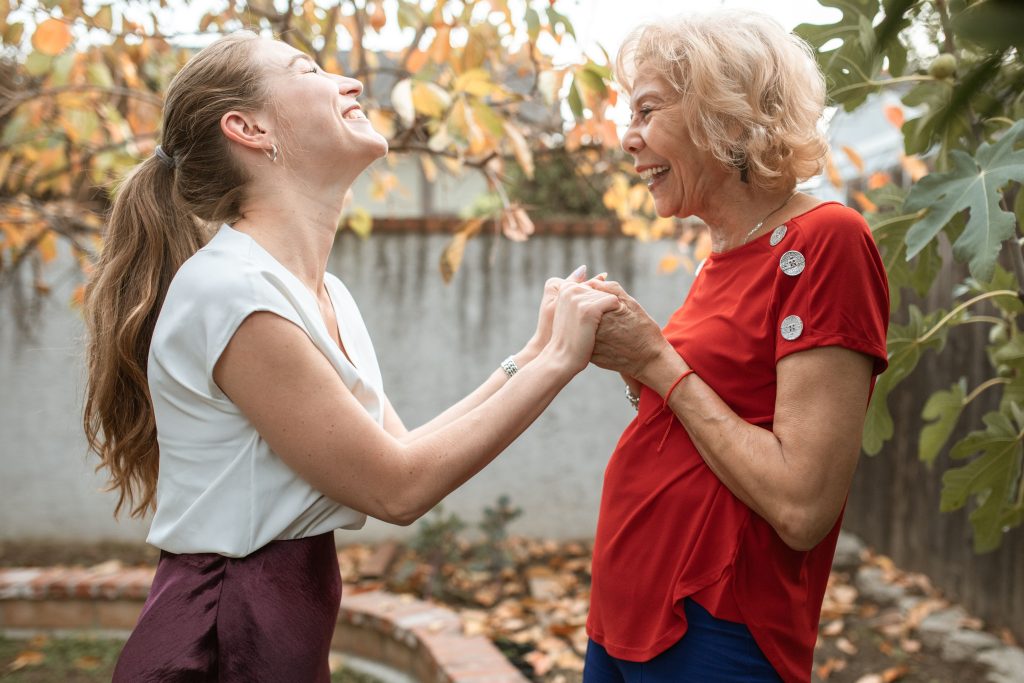
Few moments in the dementia journey ache quite like the first time your loved one looks at you with polite uncertainty and asks, “Now, who are you again?” You may be their spouse of fifty years, their child, or the person who has sat beside them every single day — and suddenly you are a kind stranger. If this has happened to you, please know that the wave of grief, confusion, and even hurt you feel is completely normal. You are not doing anything wrong, and your loved one is not choosing this. Below are some gentle ways to understand what is happening and to stay connected even when recognition fades.
Why Recognition Fades
Dementia gradually damages the parts of the brain that store and retrieve memories, including the ability to match a familiar face with a name and a relationship. Often the memories of long ago remain more vivid than recent ones, so your loved one may reach back to an earlier time in their life. A husband might be mistaken for a father; a daughter might be seen as a sister or a helpful neighbor. Sometimes your loved one knows they should recognize you but cannot find the words, and other times they may not recognize themselves in a mirror.
It helps to remember that not being named is not the same as not being loved. Many families notice that even when the label is lost, the feeling remains — your loved one may relax, smile, or reach for your hand simply because your presence feels safe and warm.
How to Respond in the Moment
When your loved one doesn’t recognize you, your first instinct may be to correct them: “Mom, it’s me, your son!” This rarely helps and can cause distress or embarrassment for you both. Instead, try meeting them where they are.
- Lead with warmth, not a quiz. Approach slowly from the front, smile, and greet them by name in a calm voice rather than testing whether they know yours.
- Offer a gentle, low-pressure cue. Something like “Hi Dad, it’s Sarah” said naturally can orient them without demanding they perform.
- Don’t argue or insist. If they believe you are someone else, it is usually kinder to go along with the feeling behind it than to force reality.
- Connect through the senses. A familiar song, a favorite snack, a hand massage, or a well-loved photo can spark comfort even when names won’t come.
- Watch your tone and body language. Your loved one reads emotion far more clearly than facts, so a relaxed face and unhurried voice reassure them more than any explanation.
Caring for Your Own Heart
This kind of loss has a name: anticipatory grief. You are mourning someone who is still here, and that is one of the hardest and loneliest griefs there is. Let yourself feel it. You do not have to be endlessly cheerful or “strong.” Talking with a counselor, a support group, a faith community, or a trusted friend can ease the weight of carrying it alone. In Florida, local Area Agencies on Aging and Alzheimer’s Association chapters offer caregiver support groups — many now meeting virtually so you can join from home.
It can also help to hold onto the relationship in ways that don’t depend on being recognized. Keep telling the old stories. Keep showing up. The connection you built over a lifetime still lives in you, even on the days it seems to have slipped away from them.
Little Things That Preserve Connection
Even as recognition changes, there are small, steady ways to keep your bond alive:
- Create a simple photo book with names and short captions you can look at together.
- Play music from their teens and twenties — the era memory holds longest.
- Keep familiar routines and objects nearby, which quietly signal safety.
- Focus on shared moments — a walk, a hand held, a laugh — rather than shared memories.
If the emotional weight of caregiving is becoming too much to carry alone, you do not have to. A trained, compassionate companion can bring your loved one comfort and familiarity while giving you space to rest and simply be their family again. Dementia Companions supports Florida families with warm, in-home dementia companion care tailored to your loved one’s needs. Reach out whenever you’re ready — even just to talk through what you’re facing.
This article is for general information and support and is not a substitute for medical advice. Please consult your loved one’s healthcare provider for guidance specific to their situation.


