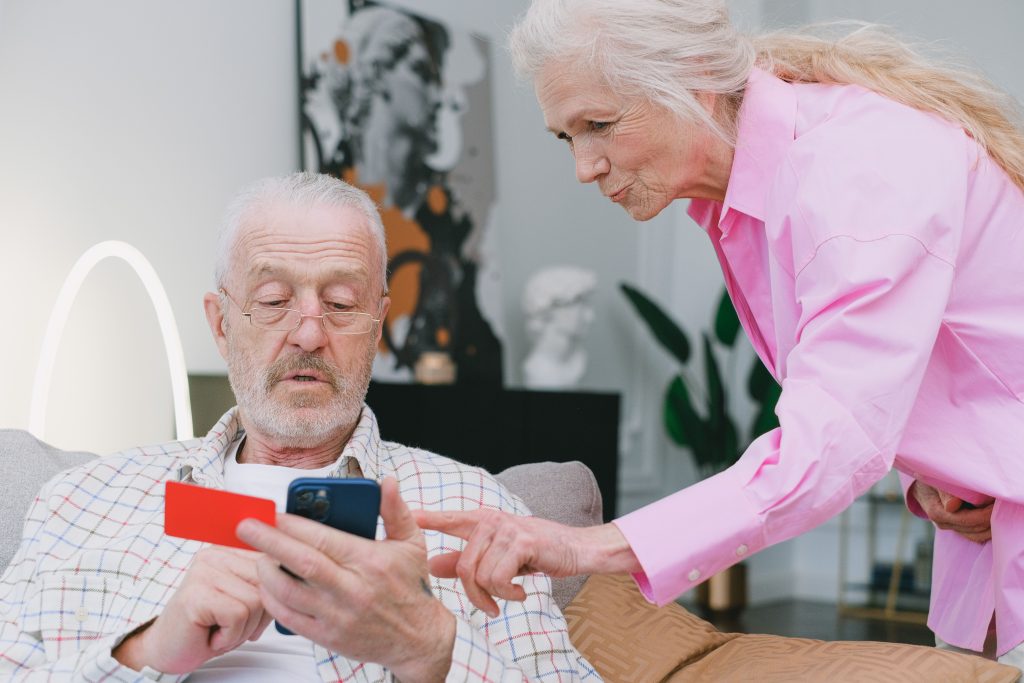
If you are caring for someone with dementia, protecting their money and personal information can feel like one more overwhelming responsibility on an already full plate. Yet financial safety is one of the most important ways you can care for your loved one. Dementia affects judgment, memory, and the ability to recognize deception, which makes older adults with cognitive changes a frequent target for scammers and, sometimes, for people they know. In Florida, home to one of the largest senior populations in the country, these risks are especially real. The good news is that with a few thoughtful steps, you can reduce the danger while still honoring your loved one’s dignity and independence.
Why Dementia Raises the Risk
Scammers rely on urgency, confusion, and trust, and dementia can make all three harder to resist. Your loved one may not remember a phone call an hour later, may struggle to tell a legitimate request from a fraudulent one, or may feel embarrassed and hide a problem rather than ask for help. Someone who managed their finances flawlessly for decades can become vulnerable without realizing anything has changed. This is not a reflection of intelligence or character; it is simply how the disease affects the brain.
Financial harm can come from strangers, such as phone and online scammers, but it can also come from caregivers, acquaintances, or even family members. Staying alert to both possibilities protects your loved one best.
Common Scams to Watch For
Knowing the most common schemes helps you spot them early. Watch especially for:
- The “grandchild in trouble” call, where someone pretends to be a relative in urgent need of money or bail.
- Government impersonators claiming to be from the IRS, Social Security, or Medicare and demanding payment or personal details.
- Prize and lottery scams that ask for a fee or bank information to release “winnings.”
- Tech support scams, where a pop-up or caller claims the computer is infected and requests remote access or payment.
- Romance and friendship scams that build trust over weeks or months before asking for money.
- Door-to-door contractors pushing unnecessary home repairs, a concern in Florida especially after storms.
Warning Signs of Financial Trouble
Because your loved one may not report a problem, it helps to know what to look for. Unusual signs can include unopened or hidden bills, sudden difficulty paying for essentials, new “friends” who take an unusual interest in finances, missing money or belongings, a flood of junk mail and prize notices, or unfamiliar charges and withdrawals. A sudden change in a will, deed, or account beneficiary, particularly one your loved one cannot explain, also deserves a closer look.
Practical Steps to Protect Your Loved One
You do not have to take away independence to add protection. Small, gradual safeguards work best and are easier for your loved one to accept:
- Consolidate and simplify accounts so there is less to monitor, and set up automatic payments for recurring bills.
- Ask the bank about safeguards for older customers, such as alerts for large or unusual transactions and a trusted contact on file.
- Consider a “view-only” arrangement so you can monitor accounts without controlling them, then move toward joint oversight as needs change.
- Put your loved one’s number on the National Do Not Call Registry and consider call-blocking devices or services to cut down on scam calls.
- Keep a modest amount in a low-limit account or prepaid card for day-to-day spending, protecting the bulk of savings.
- Shred documents with personal information and collect mail promptly.
- Talk with an elder law attorney about a durable power of attorney while your loved one can still take part in the decision.
Whenever possible, involve your loved one in these conversations. Framing safeguards as something “everyone should do these days” rather than a response to their diagnosis can preserve their sense of control and reduce resistance.
Where to Turn for Help in Florida
If you suspect your loved one has been targeted or exploited, you are not alone and help is available. You can report concerns to the Florida Department of Elder Affairs and its Elder Helpline, and suspected abuse or exploitation can be reported to the Florida Abuse Hotline. For scams, the Federal Trade Commission accepts reports and offers recovery guidance. Acting quickly, and without shame, gives the best chance of limiting the damage and preventing it from happening again.
Above all, be gentle with your loved one and with yourself. Being deceived is never their fault, and staying calm and supportive makes it far more likely they will come to you the next time something feels off.
At Dementia Companions, we understand how many worries come with caring for someone you love. Our compassionate Florida companions provide a caring presence and an extra set of eyes at home, so families can feel more secure. If you would like support, we are here to help.
This article is for general information and support and is not a substitute for medical advice. Please consult your loved one’s healthcare provider for guidance specific to their situation.


