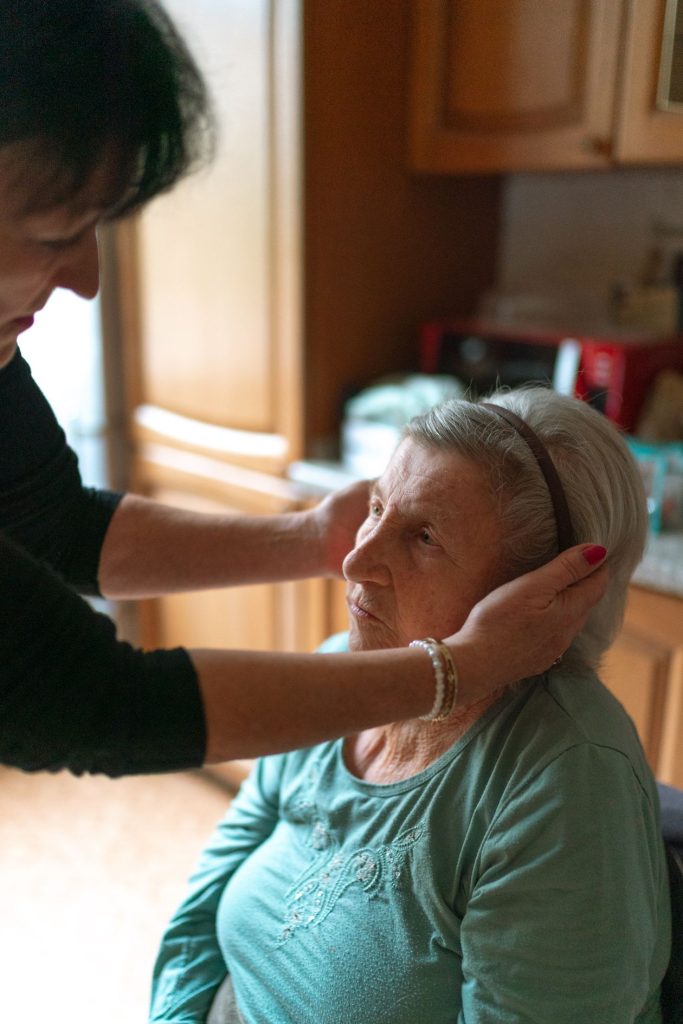
Few moments are harder for a family caregiver than watching a loved one you have cared for your whole life suddenly become angry, resistant, or even physically aggressive. You may feel hurt, frightened, or convinced you have done something wrong. Please hear this first: agitation and aggression are symptoms of the disease, not a reflection of your love or your effort. Your loved one is not choosing this behavior. Understanding why it happens—and having a few calm, practical responses ready—can make these episodes shorter, safer, and less frequent for both of you.
Why Agitation and Aggression Happen
Dementia gradually changes the brain’s ability to interpret the world and manage emotions. When your loved one lashes out, it is almost always because something feels wrong to them and they cannot tell you what it is. Behind an outburst there is usually an unmet need or an overwhelming feeling. Common triggers include pain or discomfort, hunger or thirst, needing the bathroom, fatigue, too much noise or activity, unfamiliar surroundings, feeling rushed, or being asked to do something they no longer understand. In Florida’s warmer months, overheating and dehydration can also fuel restlessness and irritability.
Once you begin to see behavior as communication—a signal rather than a personal attack—it becomes easier to respond with patience instead of taking it to heart.
In the Moment: How to Respond Calmly
When tension rises, your calm is the most powerful tool you have. Your loved one takes emotional cues from you, so slowing your own breathing and softening your voice can settle the room more than any words. Give them space, avoid sudden movements, and resist the urge to argue or correct.
- Keep yourself safe first. Step back and give plenty of physical distance if your loved one is swinging or throwing. Nothing else matters until everyone is safe.
- Speak slowly and simply. Use short, reassuring phrases like “I’m here” or “You’re safe.” One idea at a time is easier to absorb.
- Don’t argue or reason. Trying to convince them they are wrong usually raises the tension. It is okay to agree, apologize, or simply let it go.
- Look for the unmet need. Quietly ask yourself: Are they in pain? Tired? Too hot? Do they need the bathroom? Fixing the cause often ends the behavior.
- Redirect gently. Shift attention to something soothing—a snack, a favorite song, a walk to another room, or a familiar object to hold.
Afterward, allow yourself—and them—time to recover. Your loved one will often forget the episode within minutes, even when you are still shaken.
Preventing Episodes Before They Start
Many outbursts can be softened, or avoided entirely, by shaping the day around comfort and predictability. Look for patterns: jot down when episodes happen, what came just before, and what helped. Over time these notes reveal triggers you can head off.
- Keep a steady daily routine so the world feels familiar and safe.
- Tackle demanding tasks like bathing when your loved one is most rested, often earlier in the day.
- Reduce noise, clutter, and crowds, which can quickly overwhelm.
- Offer regular snacks, water, and bathroom breaks before discomfort builds.
- Keep rooms comfortably cool and well lit, especially during Florida summers and as evening approaches.
- Build in calming activities—music, folding laundry, looking at old photos—that give a sense of purpose.
When to Reach Out for Help
A sudden increase in agitation can sometimes signal a treatable medical problem, such as a urinary tract infection, constipation, pain, or a medication side effect. If your loved one’s behavior changes quickly or seems out of character, contact their healthcare provider to rule out a physical cause. And if aggression ever puts your loved one or you in danger, do not hesitate to call for emergency help.
Just as importantly, watch your own limits. Caring for someone through frequent agitation is exhausting, and you cannot pour from an empty cup. Leaning on family, a support group, or professional respite care is a sign of strength, not failure.
You Don’t Have to Do This Alone
Difficult behaviors are one of the most draining parts of the dementia journey, and no caregiver should shoulder them without support. A trained companion can bring calm, structure, and a fresh set of hands—giving your loved one gentle, patient engagement and giving you room to breathe. If you could use that kind of help at home in Florida, Dementia Companions is here to walk alongside your family with compassion and experience.
This article is for general information and support and is not a substitute for medical advice. Please consult your loved one’s healthcare provider for guidance specific to their situation.


