Hurricane season in Florida brings uncertainty for every family, but when you are caring for a loved one with dementia, the usual checklist takes on a whole new weight. A person living with memory loss may not understand why the power is out, why the house is being boarded up, or why you suddenly need to leave home. Loud storms, disrupted routines, and unfamiliar shelters can be frightening and disorienting. The good news is that a little preparation now, before a storm is ever named, can make an enormous difference in keeping your loved one safe and calm when the weather turns.
Prepare Early, Before the First Warning
The single most important thing you can do is get ready before hurricane season peaks. People with dementia do far better when things are calm and unhurried, so avoid last-minute scrambling whenever you can. Build your plan in the quiet weeks so that when a storm approaches, you are simply following steps you have already thought through.
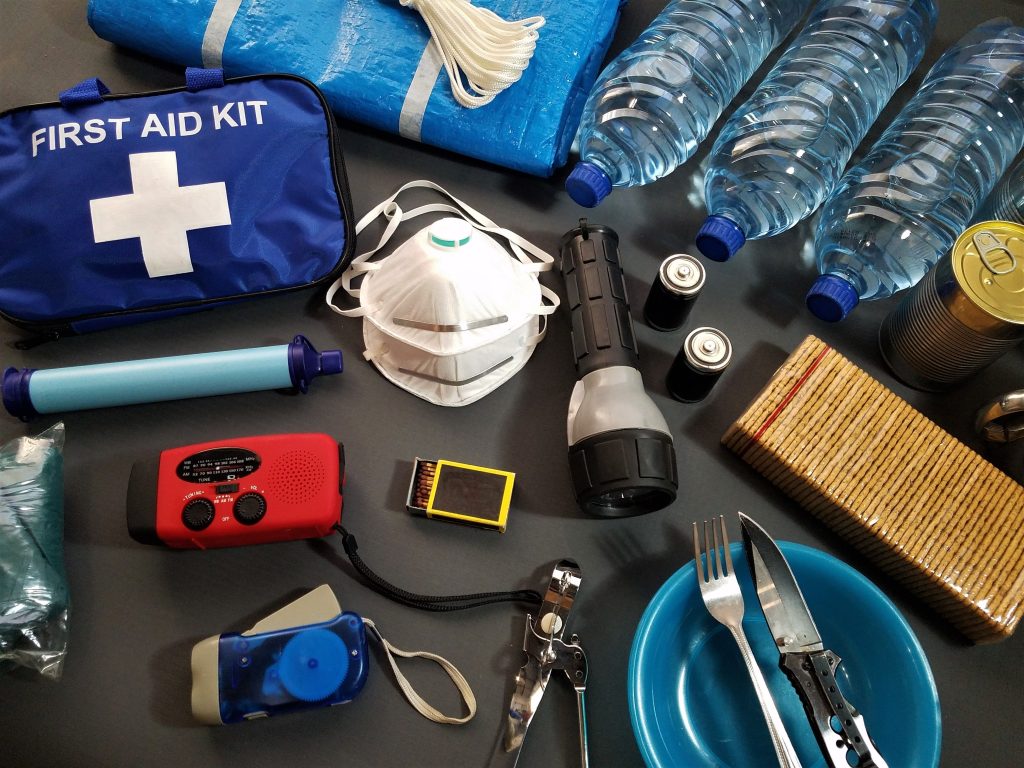
Start by thinking about what your loved one specifically needs to stay safe, comfortable, and settled. Keep these essentials gathered in one place:
- A two-week supply of all medications, plus a written list of each medicine, dosage, and the prescribing doctor
- Copies of important documents: ID, insurance cards, medical history, and any legal or care paperwork, sealed in a waterproof bag
- Extra water, easy-to-eat non-perishable foods, and any special dietary items your loved one relies on
- Comfort items that soothe them, such as a favorite blanket, photos, a beloved sweater, or a familiar snack
- Incontinence supplies, wet wipes, hand sanitizer, and a change of clothes
- Flashlights, batteries, and a battery or crank-powered radio
Register for Help Ahead of Time
Florida offers resources specifically for residents who need extra assistance during emergencies, and it is worth arranging these long before a storm forms. Many counties operate a Special Needs Shelter program for people who cannot safely stay in a general population shelter, including those with dementia. Registration usually happens through your county emergency management office, and spots may be limited, so signing up early matters.
If your loved one depends on electric medical equipment, contact your utility company about their special needs registry as well. It also helps to talk with neighbors, nearby family, or your loved one’s care team now so that everyone knows the plan and who is responsible for what if a storm arrives.
Keep Routines and Calm During the Storm
When a hurricane is bearing down, your loved one will take emotional cues from you. Staying as calm and matter-of-fact as possible helps them feel safe, even if they cannot follow everything that is happening. Try to preserve familiar routines where you can, such as meals, favorite music, or a regular afternoon rest.
During the storm itself, keep these approaches in mind:
- Speak slowly and reassuringly, and avoid over-explaining the danger, which can heighten fear
- Reduce exposure to alarming news coverage and howling wind where possible
- Redirect anxiety with a simple activity, a warm drink, or holding hands
- Keep a recent photo of your loved one on your phone in case you are separated
- Consider a medical ID bracelet in case they wander during the confusion
If You Have to Evacuate
Leaving home is often the hardest part for someone with dementia, because unfamiliar places can trigger agitation and confusion. If an evacuation order comes, try to leave earlier rather than later to avoid long, stressful waits in traffic or crowded shelters. Bring the comfort items you packed, and keep your loved one close and oriented with gentle, repeated reassurance about where you are going and that you are together.
New surroundings can increase the risk of wandering, so stay within arm’s reach in shelters or unfamiliar homes, and let staff or hosts know that your loved one has dementia. Sticking close, keeping a familiar object in their hands, and maintaining a soft, steady tone can help an overwhelming situation feel a little more manageable.
After the Storm Passes
Once the danger has passed, remember that recovery can be disorienting too. Damaged surroundings, ongoing power outages, and broken routines may leave your loved one unsettled for days. Return to normal rhythms as quickly as you can, be patient with increased confusion or repeated questions, and give yourself grace as well. You have just carried your family through something genuinely difficult.
Caring for a loved one with dementia through hurricane season is a lot to hold on your own, and you do not have to do it alone. A trained companion can help you prepare, provide a calm and familiar presence during stressful stretches, and give you room to manage everything else a storm demands. If your family could use that kind of steady support here in Florida, Dementia Companions is here to help.
This article is for general information and support and is not a substitute for medical advice. Please consult your loved one’s healthcare provider for guidance specific to their situation.


