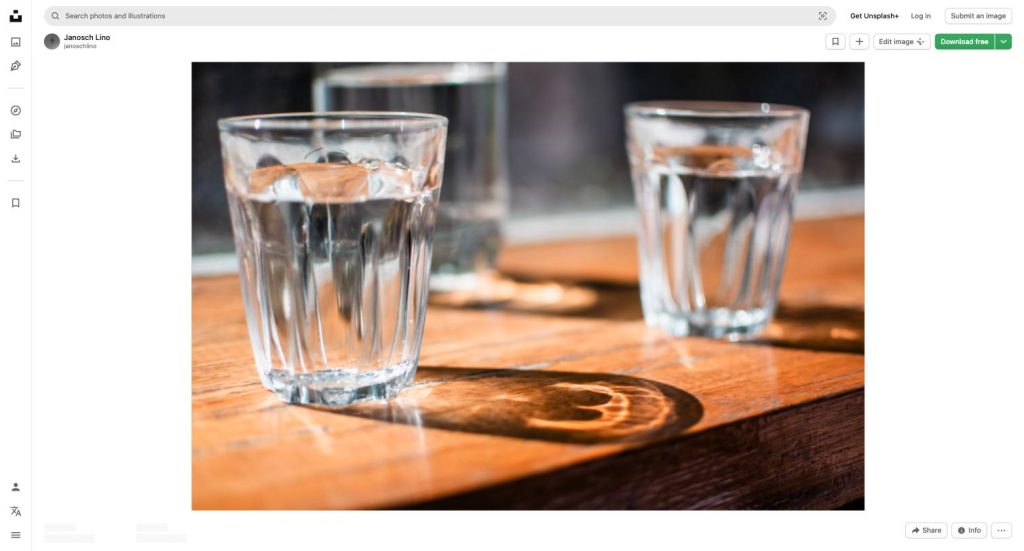
When the Florida heat settles in for the summer, staying hydrated becomes more than a good habit—it becomes a matter of safety. For a loved one living with dementia, the risk of dehydration is quietly higher than most families realize. The part of the brain that signals thirst can become less reliable, and your loved one may simply forget to drink, not recognize the sensation of thirst, or struggle to communicate that they feel unwell. Add in our long, humid Florida days, and small lapses can add up quickly.
The good news is that with a little planning and gentle attention, you can help your loved one stay comfortable and well-hydrated all summer long. Here is what to watch for and how to make drinking enough fluids easier for both of you.
Why Dehydration Is a Bigger Risk with Dementia
Dementia can affect the body’s natural thirst cues, so your loved one may not feel thirsty even when their body needs fluids. Some people also forget whether they have had a drink recently, or they may avoid drinking because getting to the bathroom feels difficult. Certain medications can increase fluid loss as well. In Florida’s summer climate, where time outdoors or a warm room can raise body temperature, these factors combine to make dehydration surprisingly common.
Because the signs can be easy to miss, it helps to know what to look for. Watch for a dry mouth, dark or strong-smelling urine, headaches, dizziness, or unusual tiredness. You may also notice more confusion than usual, irritability, or sudden changes in behavior—dehydration can sometimes look like a worsening of dementia symptoms when it is really a fixable physical need.
Simple Ways to Encourage Fluids
Rather than pushing large glasses of water, think about offering small amounts often throughout the day. A steady, gentle rhythm tends to work better than trying to catch up all at once. Here are practical approaches many families find helpful:
- Offer a drink at every natural pause in the day—waking up, meals, snacks, after the bathroom, and before bed.
- Keep a favorite cup within easy reach and use one that is lightweight and easy to hold. Some people do better with a straw, a spouted cup, or a brightly colored glass they can see clearly.
- Try a variety of fluids: water, diluted juice, milk, decaffeinated iced tea, or flavored water. Variety keeps things interesting and encourages more sips.
- Include high-water foods such as watermelon, oranges, cucumber, soups, gelatin, yogurt, and popsicles. These count toward hydration and can feel like a treat.
- Make it social—sit down and have a drink together, since your loved one may be more willing to sip when it feels like a shared moment rather than a task.
Staying Safe in the Florida Heat
Our summers call for a few extra precautions. Try to keep your loved one indoors during the hottest part of the day, usually late morning through mid-afternoon, and make sure the home stays cool and comfortable. If the air conditioning struggles or the power goes out during storm season, have a plan for a cooler place to go.
When you do go outside, aim for early morning or evening, offer water before and after, and dress your loved one in light, loose, breathable clothing and a hat. Keep outings short. Be especially watchful for signs of overheating, such as flushed skin, rapid breathing, confusion, or weakness, and move to a cool place right away if you notice them.
When to Call the Doctor
Mild dehydration can often be managed at home with steady fluids, but some situations need prompt medical attention. Reach out to your loved one’s healthcare provider if you notice a sudden increase in confusion, they are unable to keep fluids down, they have not urinated in many hours, or they seem very weak, dizzy, or unresponsive. Trust your instincts—you know your loved one best, and it is always okay to ask for guidance when something feels off.
You Don’t Have to Do This Alone
Keeping track of fluids, watching for subtle changes, and managing the heat can feel like one more thing on an already full plate. It is completely understandable to feel stretched. A trained companion can help with gentle reminders, prepare hydrating snacks, keep your loved one comfortable during the hottest hours, and give you a much-needed break. If you would like a caring hand this summer, Dementia Companions is here to support your family with compassionate, in-home care across Florida.
This article is for general information and support and is not a substitute for medical advice. Please consult your loved one’s healthcare provider for guidance specific to their situation.


