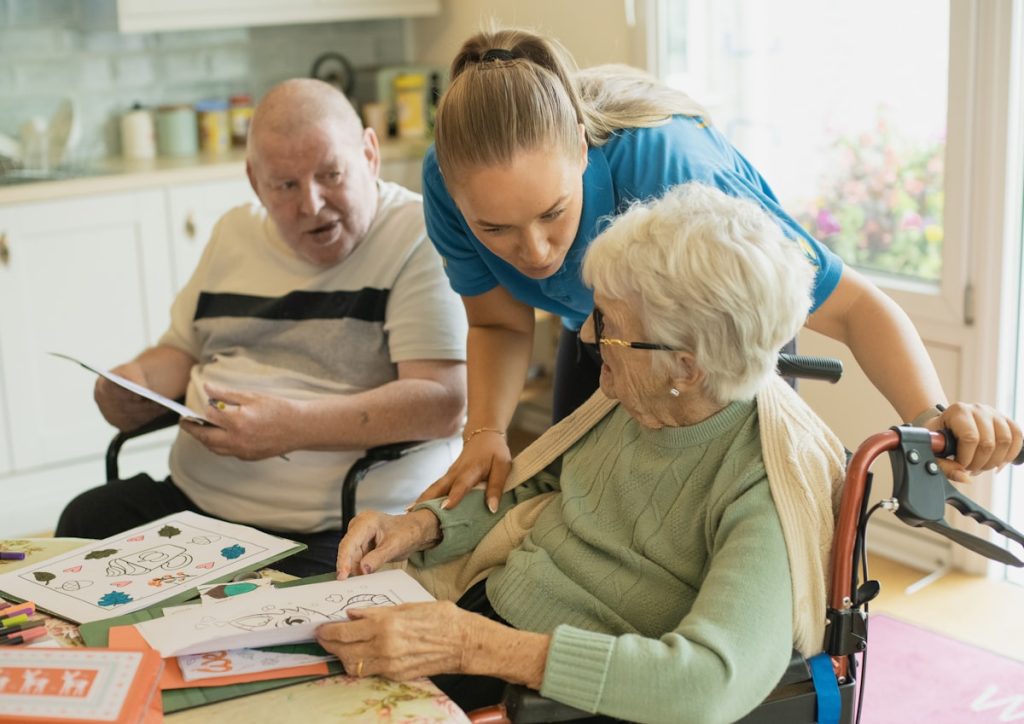
If you’re caring for someone with dementia, here’s your reminder today: you can’t pour from an empty cup.
Caregiver burnout isn’t a personal failure. It isn’t weakness, and it isn’t something to be ashamed of. It’s what happens when one person carries too much for too long — and in the world of dementia care, that weight is very real. The emotional labour, the broken sleep, the grief of watching someone you love change before your eyes. It adds up. And if you don’t take care of yourself, the care you’re able to give will suffer too.
So this post is for you — the carer. Not the person you’re looking after, but you.
The Warning Signs You Shouldn’t Ignore
Before we get to solutions, it helps to know what burnout actually looks like, because it rarely arrives all at once. It creeps in gradually, disguising itself as “just a hard week.”
Watch for these signs: constant exhaustion that sleep doesn’t fix, a growing sense of resentment toward the person you’re caring for (even if you love them deeply), dreading the start of each day, withdrawing from friends and hobbies, or feeling like nothing you do is ever enough. If any of these sound familiar, this is your signal — not to push through harder, but to pause and reassess.
Five Realistic Ways to Protect Your Health While Caregiving
1. Protect One Hour a Day That Is Yours
This is non-negotiable — and yes, it may take some planning to make it happen. One hour that belongs to you. Not your care duties, not your inbox, not the laundry. You. Use it to walk, read, sit in silence, call a friend, or do absolutely nothing. It sounds small, but over time, this one hour becomes the thing that keeps you going. Guard it fiercely.
2. Ask for Help in Specific Terms
“Let me know if you need anything” is well-meaning but almost impossible to act on when you’re exhausted and overwhelmed. Instead, when someone offers help, give them something concrete: “Could you sit with Mum on Tuesday afternoon?” or “Would you be able to pick up her prescription this week?” Specific requests are easier for people to say yes to, and easier for you to accept without guilt.
3. Take Your Own Health Appointments Seriously
It’s remarkably common for carers to skip their own GP appointments, dental check-ups, and screenings because they’re too busy managing someone else’s healthcare. Don’t let your health fall to the bottom of the list. Book your appointments in advance, put them in the diary, and treat them as non-cancellable. Your physical health directly affects your capacity to care.
4. Find One Thing That Reminds You Who You Are Outside of Caregiving
Dementia caregiving can gradually consume your entire identity. Make a deliberate effort to keep alive at least one part of your life that exists outside of your caring role — a hobby, a friendship, a creative pursuit, a fitness habit. It doesn’t have to be grand. It just has to be yours.
5. Connect With Others Who Understand
The isolation of caregiving is one of its most damaging aspects. Talking to someone who truly gets it — whether that’s a support group, a counsellor who specialises in carer wellbeing, or an online community — can be genuinely transformative. You don’t have to explain yourself or justify how hard it is. They already know. That kind of connection is restorative in a way that few other things are.
A Final Word
Looking after yourself isn’t selfish. It is, in fact, one of the most important things you can do for the person you’re caring for. A carer who is rested, supported, and well is a better carer — and more than that, they’re a person who deserves a good life too.
If you’re struggling, please reach out. Whether it’s to a family member, a GP, or a support service — you don’t have to carry this alone.
Need support or guidance on caring for a loved one with dementia? Get in touch with our team — we’re here to help.


