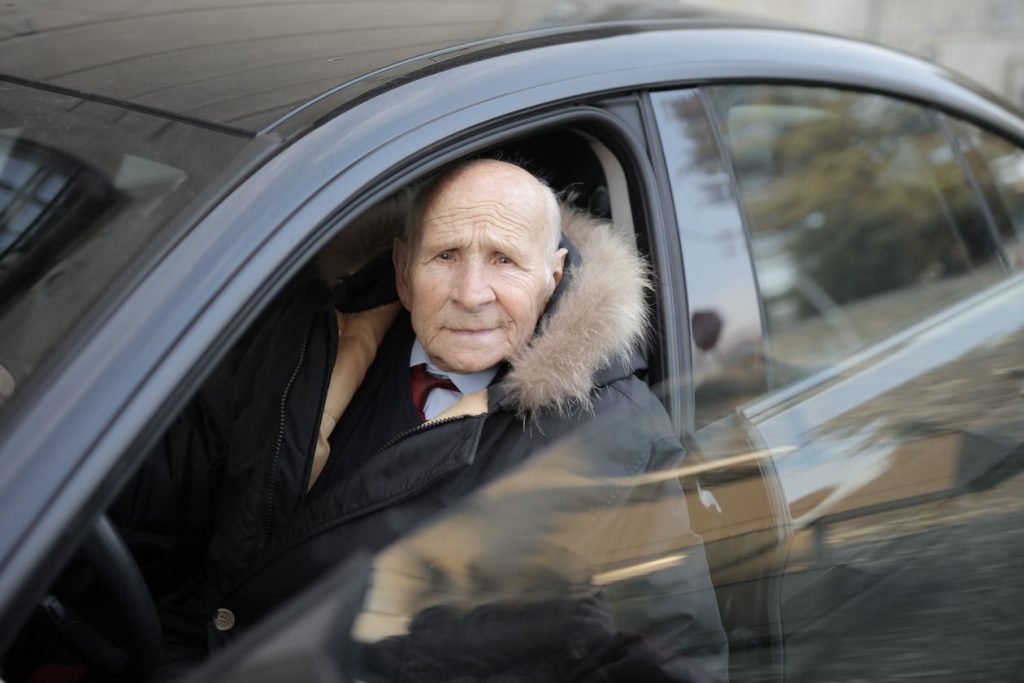
Few conversations feel harder than telling someone you love that it may be time to stop driving. For many older adults, a car means freedom, independence, and identity. When dementia enters the picture, driving safety becomes a real concern long before your loved one is ready to admit it. If you’re wrestling with this decision, know that your worry comes from a place of love, and you are not alone in facing it.
This is an especially common crossroads here in Florida, where so many older adults rely on their cars to reach doctors, run errands, and stay connected to friends. The good news is that with patience and a plan, you can protect your loved one and others on the road while still honoring their dignity.
Why Dementia and Driving Don’t Mix Well
Driving is one of the most complex things we do. It requires split-second judgment, quick reactions, good vision and memory, and the ability to handle the unexpected all at once. Dementia gradually chips away at these very skills. Your loved one may still handle a familiar route on a calm day, yet freeze or make a dangerous error when a child darts into the street or a traffic pattern changes.
Because dementia is progressive, someone who drives safely today may not be safe in a few months. That’s why it helps to watch for changes early and plan ahead rather than waiting for a crisis.
Warning Signs It May Be Time
You know your loved one best. Consider whether you’ve noticed any of the following, and trust your instincts if something feels off:
- Getting lost or confused on roads they’ve driven for years
- New dents, scrapes, or unexplained damage to the car
- Driving too slowly, braking suddenly, or drifting between lanes
- Confusing the gas and brake pedals
- Missing stop signs, signals, or turns
- Becoming easily angry, anxious, or overwhelmed behind the wheel
- Needing a passenger to give constant directions or reminders
If you feel unsafe riding as a passenger, that is a meaningful sign in itself.
How to Have the Conversation
Approach the topic gently and with respect. This is a loss, and it’s normal for your loved one to feel hurt, defensive, or sad. Choose a calm moment, not right after a scary drive, and lead with empathy rather than a list of failures.
A few approaches that can ease the way:
- Use “I” statements: “I worry about you on the busy roads,” rather than “You can’t drive anymore.”
- Focus on safety and love, not on taking something away
- Bring in a trusted third party — a doctor’s recommendation often carries weight a family member’s does not
- Let your loved one keep as much choice as possible, such as deciding when to stop or how to get around instead
- Expect to revisit the conversation more than once; one talk rarely settles it
If your loved one won’t hear it from family, ask their physician to raise the subject. In Florida, concerned family members or physicians can also report an unsafe driver to the Department of Highway Safety and Motor Vehicles, which may request a medical or driving reevaluation.
Life After Driving
Giving up the keys is easier when there’s a clear plan for getting around. Help your loved one stay active and connected so the change feels less like an ending:
- Set up a simple list of who can drive them and when
- Explore senior transportation services, many Florida counties offer them
- Keep favorite outings on the calendar so they still get out of the house
- Consider disabling or relocating the car if temptation becomes a safety risk
Watch for signs of isolation or low mood after driving stops, and make an extra effort to bring the world to them through visits, calls, and outings.
You don’t have to navigate this transition by yourself. A trained companion can provide safe transportation to appointments and errands, keep your loved one engaged, and ease the loss of independence that comes with giving up the keys. Dementia Companions supports Florida families through moments exactly like this one, with compassion and practical help. Reach out anytime to talk through what your loved one needs.
This article is for general information and support and is not a substitute for medical advice. Please consult your loved one’s healthcare provider for guidance specific to their situation.


