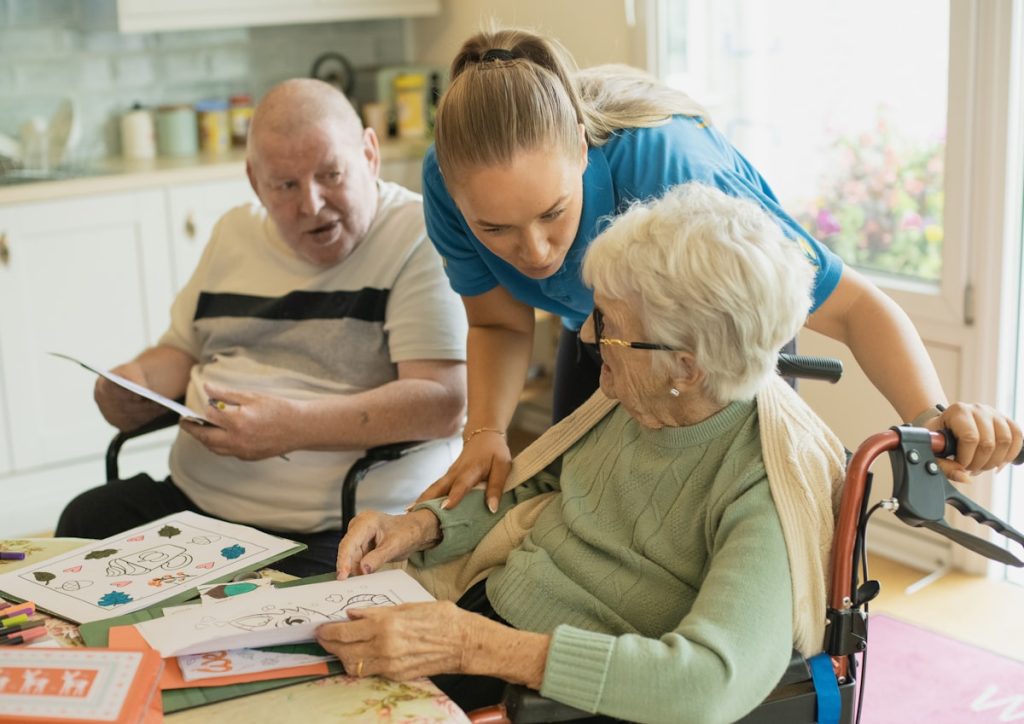
One of the most powerful things you can do for a loved one living with dementia is to help them stay engaged. Meaningful daily activities reduce agitation, support cognitive function, and — perhaps most importantly — bring moments of joy and connection into each day.
The key is choosing activities that match your loved one’s current abilities, interests, and energy levels. What worked in the early stage may need to be adapted as dementia progresses. Below are 10 purposeful, caregiver-tested activities that work well at home across different stages.
1. Reminiscence Through Photo Albums
Long-term memory often remains relatively intact in the early and middle stages of dementia, even when short-term recall is affected. Sitting together and browsing old family photos or scrapbooks can spark meaningful conversation and a sense of identity.
Caregiver Tip: Create a simple “memory box” with photos, postcards, and small objects from your loved one’s past — a favourite song on a playlist, a piece of fabric from a cherished outfit, or a familiar scent like a perfume or spice.
2. Gentle Music and Singing
Music is processed differently in the brain than spoken language, which is why people with advanced dementia can often recall the words to songs from their youth even when other language has faded. Music activates emotion, memory, and movement simultaneously.
Caregiver Tip: Build a personalised playlist of songs from your loved one’s teenage years and young adulthood. Play it during meals, bathing, or moments of agitation to help soothe and centre them.
3. Simple Gardening and Outdoor Time
Tending to plants — even in containers on a porch or windowsill — gives people with dementia a sense of purpose and accomplishment. In Florida, the mild climate allows for outdoor activity year-round, making this a particularly accessible option for families here.
Caregiver Tip: Choose low-maintenance plants like herbs (basil, mint) or bright flowers. Let your loved one water the plants, pull dead leaves, or simply sit and enjoy the garden. Nature itself is therapeutic.
4. Folding and Sorting Tasks
Repetitive, familiar tasks can be deeply comforting for someone with dementia. Activities like folding towels, sorting socks, or arranging objects by colour tap into the automatic procedural memory that often persists well into the middle stage.
Caregiver Tip: Don’t worry about the outcome — the process is what matters. If the towels need to be refolded later, that’s perfectly fine. The goal is engagement, not perfection.
5. Baking or Cooking Together
Familiar recipes carry decades of sensory memory — the smell of cinnamon, the texture of dough, the sound of a sizzling pan. Involving your loved one in simple cooking tasks, even just stirring or measuring, can be deeply affirming.
Caregiver Tip: Keep safety front of mind. Assign tasks that don’t involve sharp tools or high heat. Baking simple items like cookies or muffins is often ideal, as the results are immediately rewarding.
6. Art and Creative Expression
You don’t need artistic skill to benefit from creative activities. Watercolour painting, colouring books, clay modelling, or simple collage work all allow for non-verbal emotional expression. Art activities are particularly beneficial for people who are experiencing word-finding difficulties.
Caregiver Tip: Choose supplies that are easy to handle — large crayons, wide paintbrushes, and chunky collage pieces. Focus on the experience, not the finished product. Display the artwork proudly to reinforce your loved one’s sense of self.
7. Reading Aloud and Storytelling
Reading familiar short stories, poetry, or passages from a beloved book can be a peaceful and stimulating shared activity. If reading independently has become difficult, listening while you read aloud provides the same benefit.
Caregiver Tip: Choose content that is emotionally safe — familiar themes, gentle humour, or faith-based texts if that holds meaning for your loved one. Old magazines and newspapers about topics they’ve always loved (sports, cooking, nature) also work well.
8. Gentle Exercise and Movement
Physical movement — even brief, gentle exercise — reduces restlessness, improves sleep, and supports overall wellbeing. Chair yoga, slow walks around the block, or simple stretching routines are excellent for all stages.
Caregiver Tip: In Florida’s warm climate, an early morning walk before the heat sets in can double as both exercise and sensory stimulation. Always prioritise safety and ensure proper footwear and hydration.
9. Pets and Animal Interaction
Whether it’s a family pet or a visiting therapy animal, interactions with animals have a measurably calming effect on people with dementia. Stroking a cat, watching fish in a tank, or even engaging with lifelike robotic pets can reduce anxiety and encourage social interaction.
Caregiver Tip: If a live pet isn’t practical, consider a simple aquarium or a plush, interactive animal toy designed for dementia care. These have shown real benefits in reducing agitation and loneliness.
10. Purposeful Conversation and Life Review
Sometimes the most meaningful activity is simply talking. Life review — gently asking your loved one about their childhood, their first job, or their proudest moments — honours their identity and history. It creates connection and communicates that their life has value and meaning.
Caregiver Tip: Avoid quizzing or testing. Instead of “Do you remember where we went last summer?”, try “Tell me about a holiday you loved.” Open, invitation-style questions create space for stories without the pressure of correct recall.
A Note on Adapting Activities Over Time
As dementia progresses, activities will need to be simplified. What matters most is not the complexity of the task, but the quality of the connection it creates. Even in the late stage, sitting quietly together, holding a hand, or playing a favourite piece of music communicates love and presence in a way that transcends words.
If you’re caring for a loved one with dementia in Florida and would like personalised guidance on daily routines or in-home care support, our team at Dementia Companions is here to help. Reach out to us today to learn more about how we can support your family.


